The Netherlands is rapidly expanding its military reserve forces following high-profile enlistments by Queen Maxima and Princess Amalia, the country’s heir to the throne. The government aims to more than double volunteer reservists from approximately 9,000 today to 20,000 by 2030 amid growing security concerns in Europe.
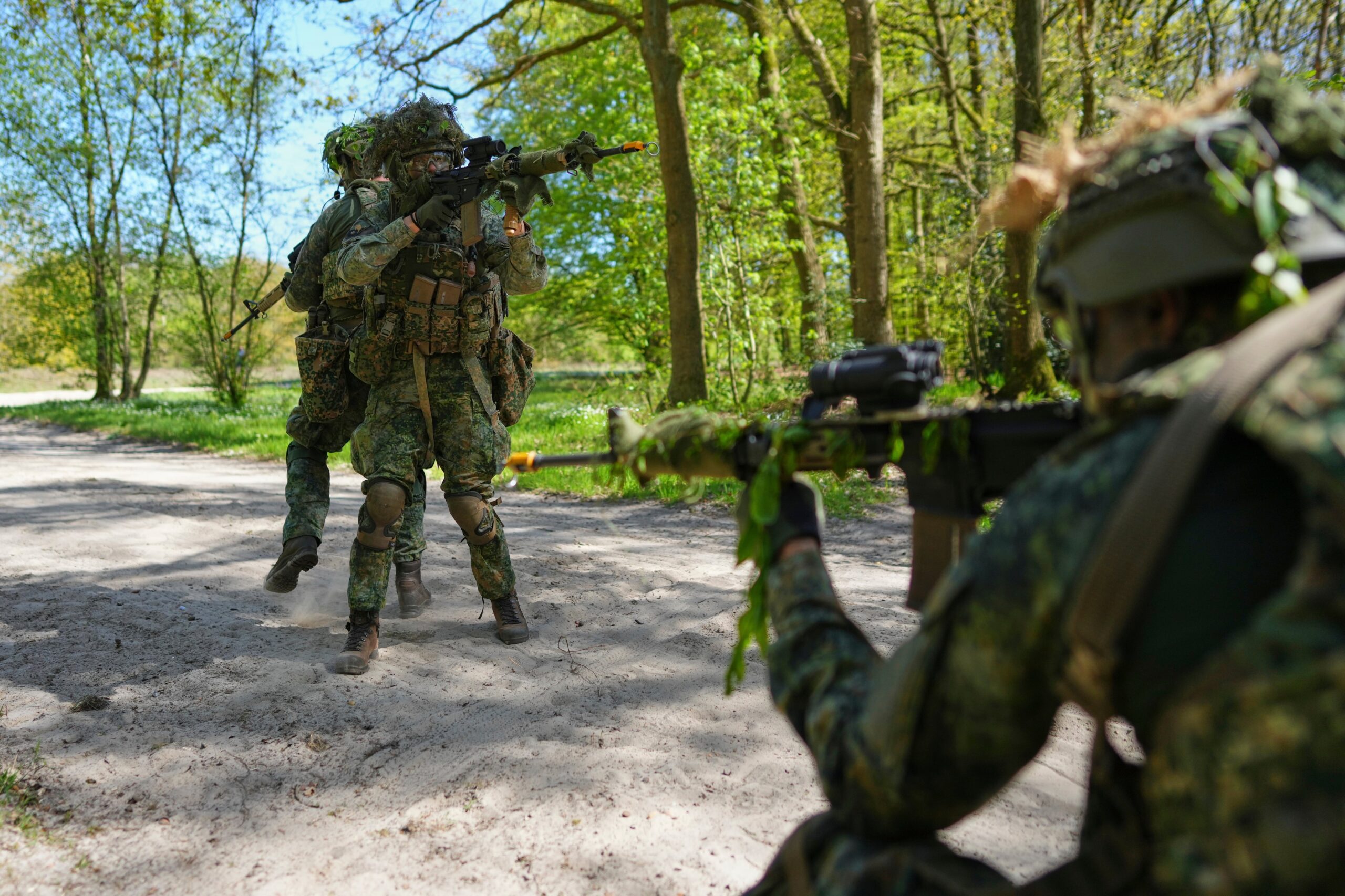
In the forests near Havelte, members of the 10th Infantry Battalion Guard Security Corps National Reserve are intensifying training exercises on weekends to prepare for emerging threats. The government’s ambitious plan also seeks to increase active military personnel from 80,000 to 120,000 by 2035, reflecting a shift towards bolstering national defense in the face of ongoing conflicts and geopolitical tensions.
State Secretary for Defense Derk Boswijk confirmed to The Associated Press that the enlistment of the Dutch royal family — dubbed “the Amalia effect” — has fueled an unprecedented surge in military applications. “It’s very inspiring to see how members of our royal family inspired people to join our armed forces,” Boswijk said.
Recruiters are overwhelmed with new volunteer applications, prompting urgent efforts to increase training capacity, provide uniforms, and issue weapons to keep pace with demand. “We have more applications than we can handle,” Boswijk remarked, calling these challenges a “luxury problem.”
Royal Enlistments Spark Surge Amid Rising European Security Concerns
The recruitment push takes place as Western Europe watches Russia’s ongoing war in Ukraine with mounting concern. European Union and NATO officials warn Russian President Vladimir Putin may intensify military aggression elsewhere within three to five years, especially if Ukraine falls.
Preparations across NATO members emphasize creating more mobile, rapidly deployable forces ready for large-scale conflict scenarios. The Netherlands’ focus on defense readiness aligns with this strategy, prompted also by uncertainty over U.S. support under previous administrations and the evolving global security landscape.
The unique boost from Princess Amalia and Queen Maxima, who have both trained as reservists and appeared publicly in military gear, has galvanized Dutch society, sparking widespread media coverage and social engagement. Their participation overturns traditional views of military service and inspires a new generation to volunteer.
Shifting Priorities: From Peacekeeping to Homeland Defense
Reservists confirm a marked mindset shift towards traditional infantry skills and domestic protection. A corporal in the 10th Infantry Battalion said the service has evolved from low-risk peacekeeping assignments to fortifying national infrastructure and guarding critical locales.
“We are here to defend our country and to make sure to keep the threat down,”
she told the AP, highlighting the volatile and unpredictable global security environment.
Reservists currently commit to 300 hours of service annually, including regular weekend drills. While traditionally focused on domestic security and emergency response, such as flood control, the operational outlook now prominently includes protecting vital infrastructure and responding to hybrid threats across military and cyber domains.
Broader European Trend Toward Military Expansion
The Netherlands’ recruitment drive mirrors similar efforts in Europe to rebuild and modernize military forces:
- Germany is exploring enhanced pay and flexible service terms to attract volunteers without reviving compulsory conscription.
- France plans to launch a new volunteer program aiming for 50,000 recruits annually by 2035.
- Countries in Eastern and Northern Europe, such as Finland, Sweden, Denmark, and Latvia, continue with various forms of conscription or lottery-based service systems due to proximity to Russian threat zones.
Unlike its neighbors, the Netherlands maintains a suspended draft system—but with no immediate plans for compulsory service, focusing instead on appealing to diverse talents. The Defense Ministry explicitly seeks people with broad skillsets to address modern security challenges, including cyber defense.
Personal Motivation and National History Drive Volunteers
For many new recruits, history is a powerful motivator. “In primary school, we learned that the German army took over the Netherlands in just five days during World War II,” explained volunteer Lisette den Heijer at a recent military briefing. “I don’t want history to repeat itself.”
Reservists balancing civilian careers with military duties emphasize their commitment to national defense amid shifting priorities. As one private first class put it, the focus has moved from purely peaceful international operations to protecting Dutch society against tangible threats.
The urgent buildup in military volunteerism within the Netherlands arrives as Europe braces for uncertain times, reflecting a renewed dedication to protecting national sovereignty at a time when old alliances and security guarantees face new challenges.