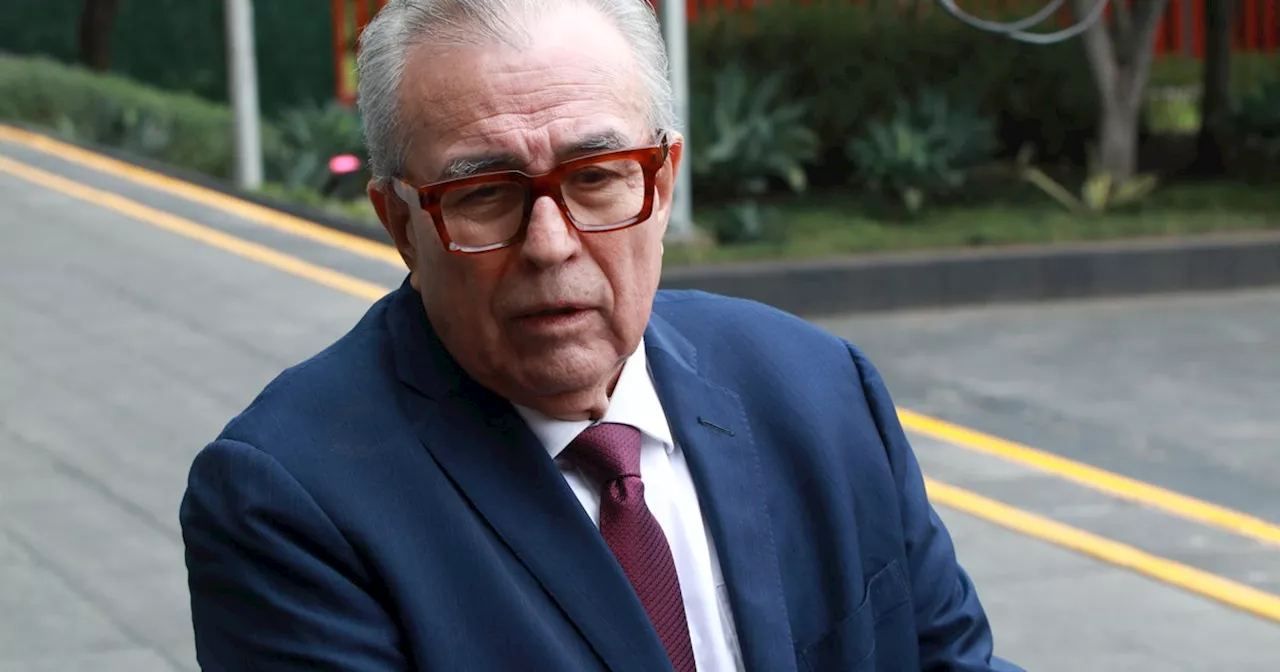
Sinaloa Governor Ruben Rocha Moya has stepped down amid escalating drug trafficking charges filed by the U.S. Justice Department, marking a stunning development in cross-border cartel investigations.
The announcement came Friday following the indictment accusing Rocha Moya and nine others of conspiring with the Sinaloa cartel to distribute massive quantities of narcotics into the United States. The governor, a leading figure in President Claudia Sheinbaum’s Morena party, denies the allegations and called them “false and malicious.”
Governor Steps Aside During Federal Probe
In a video addressed to the people of Sinaloa, Rocha Moya confirmed he submitted a request for a temporary leave to the state congress Friday night. This move removes his immunity and allows U.S. and Mexican authorities to advance investigations.
Juan de Dios Gamez, mayor of Culiacan, Sinaloa’s capital and also named in the indictment, announced his resignation shortly after Rocha Moya’s.
Allegations and Charges Bring Diplomatic Strain
The U.S. Justice Department charges include conspiracy to import narcotics and possession of machine guns and destructive devices, offences that carry a mandatory minimum of 40 years to life in prison. Rocha Moya, governor since 2021 and a close ally of former president Andres Manuel Lopez Obrador, is now at the center of one of the most high-profile cartel-related scandals involving a sitting official.
President Sheinbaum emphasized that Mexico will only extradite officials to the U.S. with “irrefutable evidence” linking them to cartels, underscoring the tense sovereignty dispute between the countries. She also noted this is the first time narcotrafficking charges have been publicly announced against a sitting governor.
This crisis adds pressure to already strained bilateral relations, especially after the recent deaths of two U.S. agents, reportedly CIA personnel, linked to a drug bust operation related to these cartels. The Trump administration designated the Sinaloa cartel as a foreign terrorist organization, intensifying calls for stronger action.
Deepening Political Fallout and U.S. National Security Concerns
At least three indicted officials belong to Morena, deepening suspicions of cartel infiltration in Mexico’s ruling party. The scandal threatens to escalate calls from U.S. lawmakers and agencies for aggressive interventions, including drone strikes or military involvement, options Sheinbaum has resisted.
Rocha Moya’s entanglement in cartel affairs first came under scrutiny during a 2023 scandal involving a letter from a Sinaloa cartel capo who claimed he was kidnapped en route to a meeting with the governor. The capo was later transferred into U.S. custody, lending credence to the federal charges.
The resignation of Rocha Moya and the mayor of Culiacan opens the way for further corruption and drug trafficking probes at the highest levels of regional government, with significant implications for U.S. border security and law enforcement operations.
What’s Next?
Federal authorities in the U.S. and Mexico are expected to accelerate investigations into the Sinaloa cartel’s political networks. With the governor’s immunity lifted, prosecutors will likely push for extradition and prosecution under U.S. federal law, pending Sheinbaum’s assertion of requiring “irrefutable” proof.
For readers in Ohio and nationwide, the case highlights ongoing challenges in curbing drug trafficking and cartel violence impacting communities across the U.S.-Mexico border and beyond. The developments reinforce why federal and state law enforcement remain watchful of cartels’ expanding influence.
The Ohio Observer will continue to monitor this unfolding story as new updates emerge.