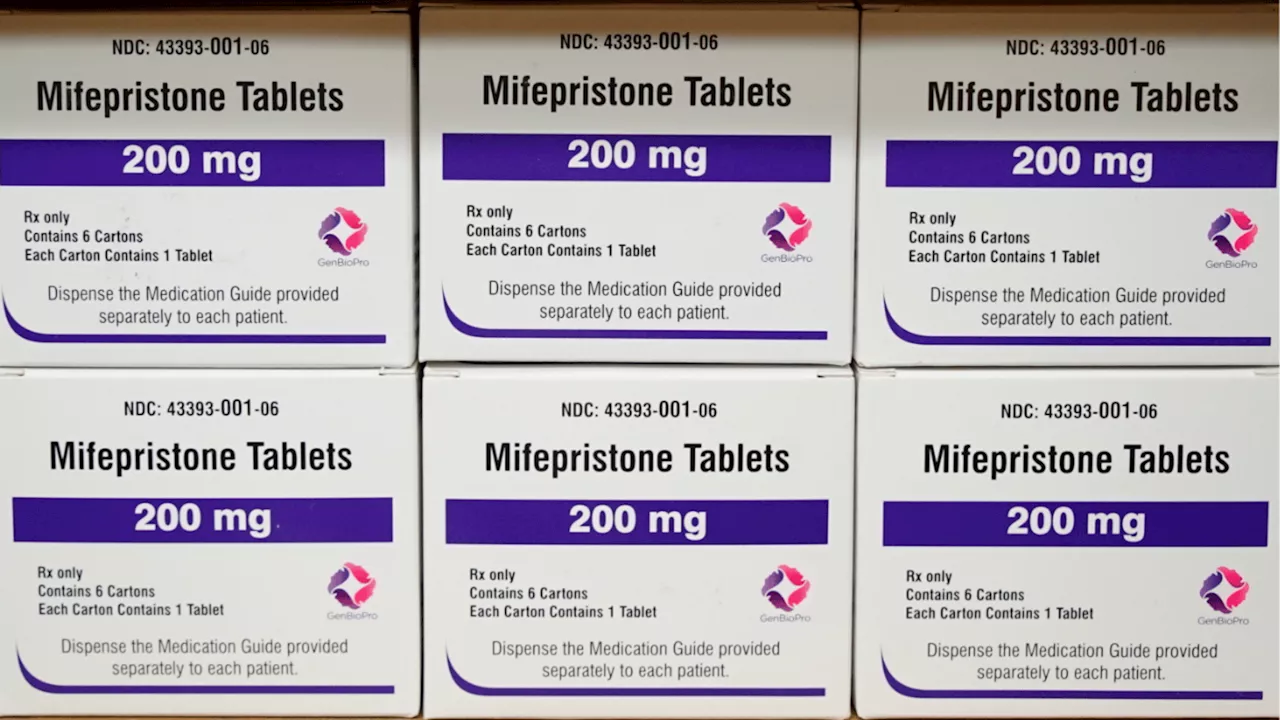
Mifepristone Makers File Emergency Appeal to Supreme Court to Preserve Abortion Pill Access
The manufacturers of mifepristone, a key abortion pill, filed an emergency appeal to the Supreme Court demanding an immediate pause on a ruling by the 5th US Circuit Court of Appeals that would reinstate strict in-person dispensing requirements nationwide. The appeal warns the ruling spreads confusion and severely restricts abortion access, affecting thousands of patients who rely on medication abortion following the overturning of Roe v. Wade.
The appeal, filed recently and routed to conservative Justice Samuel Alito, seeks an “administrative stay” to immediately halt the lower court’s decision while the Supreme Court considers the case’s merits. This urgent motion thrusts the controversial abortion pill back onto the nation’s highest court within two years of a previous landmark ruling that allowed mifepristone to remain broadly accessible.
Conflict Erupts Over Nationwide In-Person Dispensing Order
The 5th Circuit reinstated a nationwide mandate requiring patients to obtain mifepristone through in-person doctor visits, overturning Biden-era rules permitting telehealth prescriptions and pharmacy pickups. This move comes as conservative states ramp up abortion restrictions post-Roe, making the medication increasingly vital as an alternative to surgical abortions.
Danco Laboratories, the drug’s manufacturer, asserts the ruling “injects immediate confusion and upheaval into highly time-sensitive medical decisions.” Their legal team questions how patients who already have prescriptions but rely on remote access can comply, highlighting concerns in states like New York, Minnesota, and Washington where telehealth access has been standard.
“What should a patient do if she cannot obtain an in-person appointment immediately?” Danco’s attorneys asked in their emergency appeal.
Since the Covid-19 pandemic, federal regulators allowed mifepristone to be prescribed without an in-person visit, expanding access significantly. The Biden administration finalized this policy in 2026, recognizing the safety and practicality of telehealth for abortion care amidst increasingly restrictive state laws.
Why This Matters Right Now: Access and Safety at Stake
Medication abortions, which rely heavily on mifepristone, accounted for over 60% of all abortions in the US in 2026, according to research by the Guttmacher Institute. Restrictions on access could dramatically impact patients across Ohio and the nation, forcing those who previously relied on telemedicine to seek in-person visits or risk losing access altogether.
The state of Louisiana challenged the Biden-era rules last year, claiming the relaxed restrictions undermined its abortion ban. Though a federal court declined to restrict mifepristone until the FDA completed a safety review, this renewed legal battle threatens to disrupt access again, intensifying the stakes nationwide.
Safety data analyzed by CNN confirms mifepristone is overwhelmingly safe with fewer adverse effects than common medications like Viagra or penicillin, bolstering arguments against restrictive distribution measures.
Next Steps: A Supreme Court Battle in the Making
The Supreme Court is expected to respond quickly to this emergency appeal given the immediate implications for healthcare providers and patients. If the Court sides with the 5th Circuit, millions of women could face abrupt restrictions in accessing medication abortion, forcing rapid adjustments in care that may worsen already limited options in conservative states.
Conversely, halting the 5th Circuit ruling would preserve the current telehealth framework and maintain broader access to mifepristone. Ohioans will be watching closely, as the state’s abortion policies remain contentious and abortion pills are a critical option amid tightening legislative restrictions.
The case marks a pivotal moment in the ongoing national debate over medication abortion and the future landscape of reproductive healthcare in the United States.