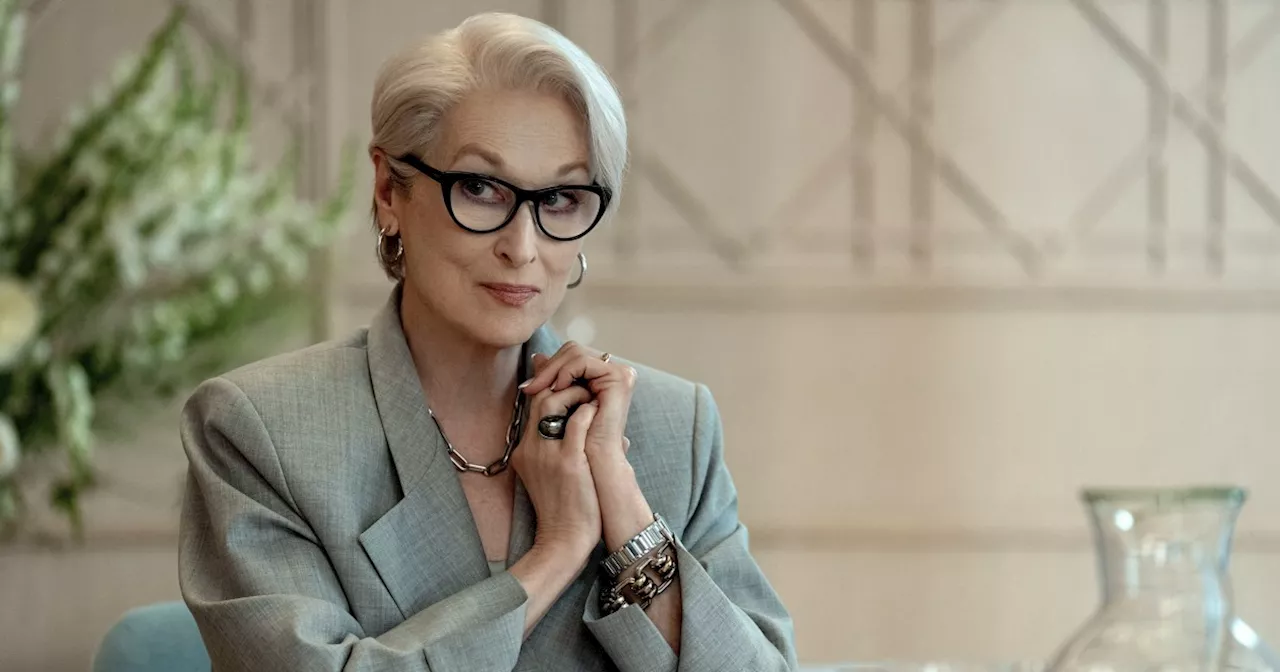
The Devil Wears Prada 2 ignited a new wave of buzz—not for its plot, but for a viral meme fans mistook as AI-generated slop. The revealing moment? A brief clip featuring a disparaging image of editor Miranda Priestley, played by Meryl Streep, shown as a fast-food worker with the caption, “Would you like some lies with that?”
Many viewers assumed this meme was purposely crafted to mimic the often-criticized look of AI-generated images, fitting the film’s satirical take on modern media. But this week, the truth emerged—a proven human touch brought the meme to life.
Alexis Franklin, a professional illustrator with nearly a decade of experience, confirmed she hand-painted the meme after being approached by the film’s director, David Frankel. In a detailed Instagram post accompanied by a time lapse video of her digital painting process, Franklin explained the piece was a “fun” commission, created over several days.
“Absolutely no disrespect to Queen Meryl, but this is something I would’ve painted in my free time,” Franklin wrote, highlighting her satisfaction at being fairly compensated and creatively involved in the project.
Franklin’s work intentionally adopted a “cheap, plastic look” that evoked the photoshopped memes of the early 2010s, not AI imitation. Interestingly, the artwork’s blurred menu text and slight imperfections led many viewers to suspect deliberate AI emulation. Franklin addressed this, saying, “Technically I was trying to make it look artificial, but emulating AI was not on my mind when I painted it.”
The revelation sparked an outpouring of praise and surprise online, with hundreds of comments celebrating the film’s choice to hire a human artist amid rising concerns about AI’s dominance in creative fields. “It’s so refreshing it’s not AI,” one admirer wrote. Another echoed, “Artists replacing AI!”
However, Franklin also faces skepticism, with some questioning the authenticity of her work despite her transparent process and longstanding public portfolio. This tension reflects a growing cultural phenomenon where real human-created art is mistaken for AI, fueled by “mass hypervigilance” as technology blurs the lines of creativity.
“AI is so prevalent now, it feels like people have forgotten how it got that good — it studied us,” Franklin said, underscoring that AI techniques are rooted in human artistry.
This episode highlights an urgent conversation about art, technology, and trust in the age of generative AI. As The Devil Wears Prada 2 continues to dominate box offices nationwide, this small but potent moment shines a spotlight on the evolving battlefield between human creativity and machine imitation.
For audiences in Ohio and across the United States, the meme controversy serves as a vivid reminder of the ongoing challenges artists face amid rapid AI advances—and why authentic human voice remains critical in media and culture.
As the film rolls out in more theaters, expect more discussions around how technology reshapes creative expression, and watch how audiences respond to future mashups of authenticity and digital artifice.