Taiwan President Lai Ching-te Defies China’s Pressure to Complete Africa Visit
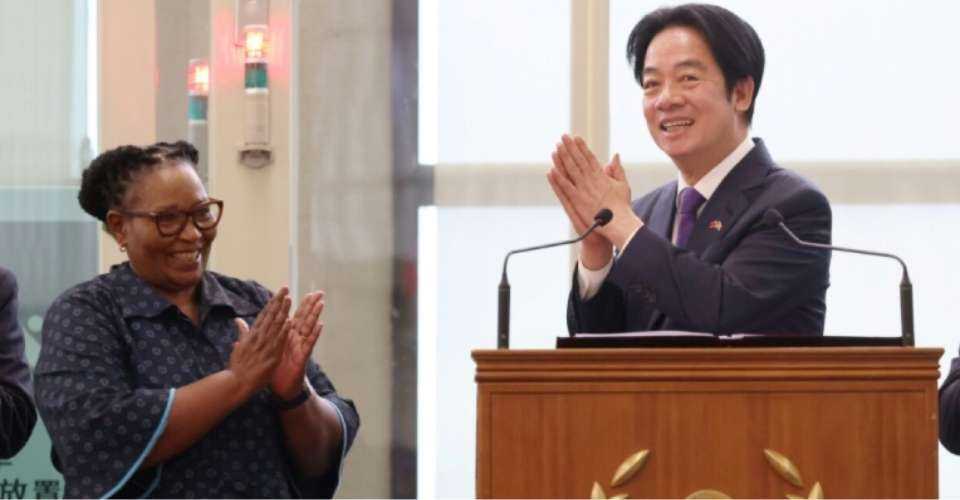
Taiwan President Lai Ching-te returned from a groundbreaking visit to Africa on May 5, insisting his island nation has the right to global engagement despite intense diplomatic pressure from China aimed at undermining his trip.
Lai flew to the small African kingdom of Eswatini on May 2 aboard the king’s official plane, marking a bold statement amid Beijing’s push to isolate Taiwan internationally. China, which claims Taiwan as its territory, pressured Seychelles, Mauritius, and Madagascar to revoke overflight permits for Lai’s planned visit in late April, forcing a delayed trip originally scheduled April 22-26.
“Taiwanese people are people of the world; Taiwanese people have the right to engage with the world,” Lai declared upon arrival at Taiwan’s Taoyuan International Airport after his return. “We will not shrink back because of suppression. Mutual visits between heads of state should be the most ordinary thing, just like when we go out to visit friends, and are a basic right of every country.”
China’s Diplomatic Pressure and US Response
Taipei accused China of waging an “intense pressure campaign” to disrupt the trip by threatening to revoke substantial debt relief and halt financing to the three rerouted African nations. A Taiwanese security official told reporters on condition of anonymity that China threatened “economic sanctions” as part of its coercive tactics.
The United States swiftly condemned China’s efforts, calling Beijing’s actions an “intimidation campaign” aimed at undermining Taiwan’s sovereignty and peaceful international relations. China’s foreign ministry dismissed these claims as “baseless accusations” and accused Lai of staging a “stowaway-style escape farce” that made him “an international laughing stock.”
Eswatini’s Unique Role as Taiwan’s Sole African Ally
Eswatini, formerly known as Swaziland, remains a rare African nation recognizing Taiwan diplomatically — one of just 12 countries worldwide. The visit celebrated the 40th anniversary of King Mswati III‘s accession and his 58th birthday, events underscoring the close ties between Taiwan and Eswatini.
Lai’s original trip was postponed after the overflight permits were revoked. Taiwan’s foreign minister, Lin Chia-lung, attended earlier events, but Lai’s eventual arrival reaffirmed his firm stance against China’s diplomatic isolation efforts.
Implications for Taiwan’s Global Relations and US Strategy
The trip highlights the continuing struggle for Taiwan’s international space in the face of increasing Chinese pressure. Lai’s last official overseas tour in November 2024 included visits to Taiwan’s Pacific allies and a transit through Guam, underscoring ongoing US support in the Indo-Pacific.
China’s attempts to control Taiwan’s international engagements have drawn sharp rebukes from the US, reiterating support for Taiwan’s democratic rights and freedoms. For Ohio and the broader US, the situation exemplifies the intensifying geopolitical conflict in the Asia-Pacific region, with potential ripple effects on global trade and diplomatic alliances.
What’s Next
Taiwan’s government and its international allies will closely watch China’s reactions as Lai resumes domestic duties following his successful African visit. The US is expected to maintain its vocal support for Taiwan amid Beijing’s persistent pressure campaigns.
This visit sets a precedent for Taiwan’s determined pursuit of broader diplomatic relations worldwide despite Beijing’s aggressive tactics — reinforcing the island’s claim to equal participation on the global stage.
“Mutual visits between heads of state should be the most ordinary thing, just like when we go out to visit friends, and are a basic right of every country,” President Lai said.
For Ohioans and American observers, Taiwan’s defiance of Chinese intimidation underscores the stakes in global democracy and international law, highlighting the urgent need to monitor unfolding tensions in US-China relations and their global impact.