White Nationalists Turn Disaster Relief into Recruitment Blitz After Hurricane Helene
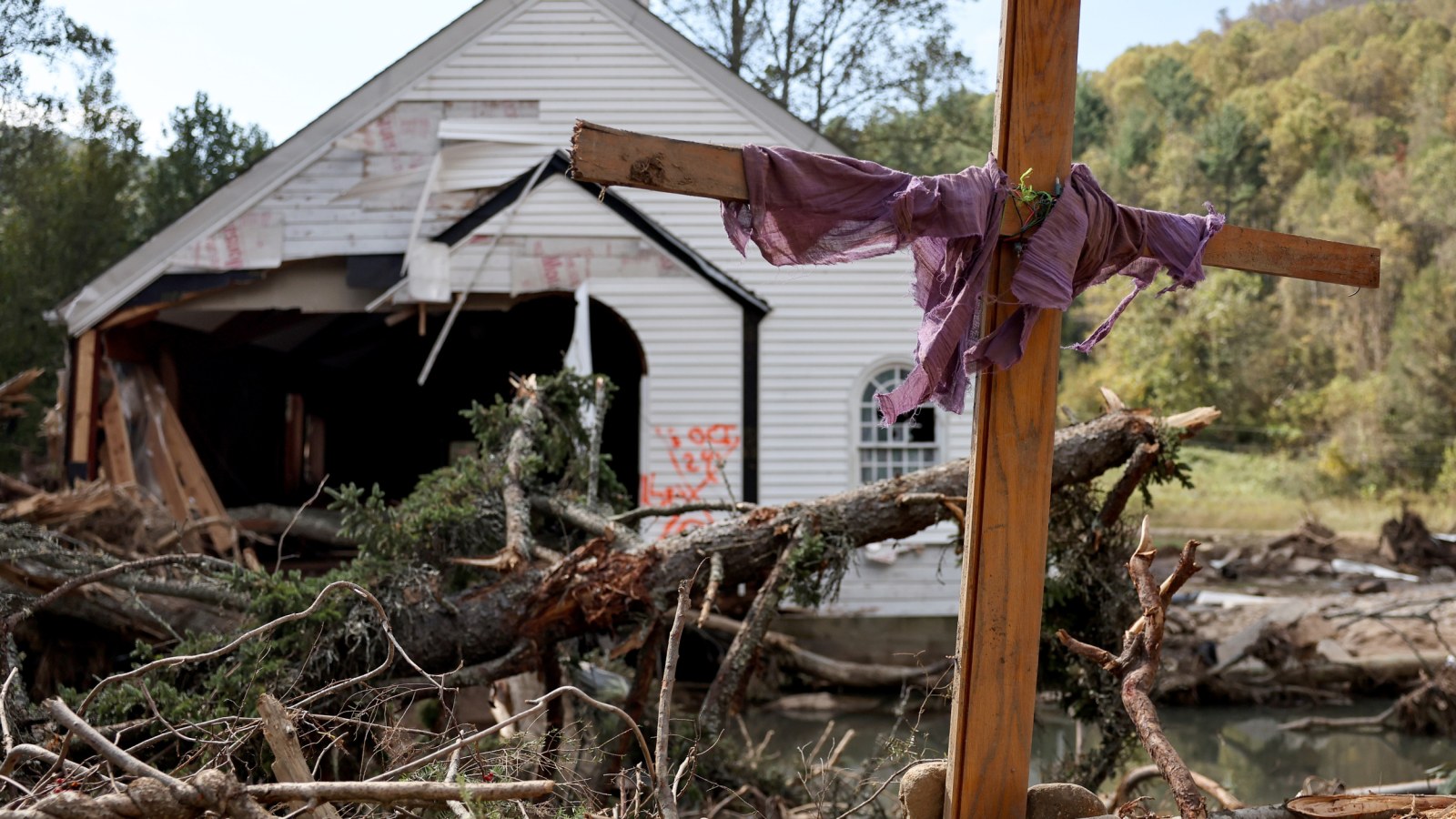
White nationalist and far-right groups are exploiting natural disasters to pose as relief providers and recruit new followers, a CBS News “60 Minutes” report reveals. After Hurricane Helene struck remote communities in North Carolina in September, these networks arrived uninvited—sometimes armed and without coordinating with local officials—to offer aid. Their goal: generate viral content showing themselves as community helpers while pushing extremist messages online.
Lesley Stahl, correspondent for “60 Minutes,” described their efforts bluntly: “Their purpose really was to take videos of themselves doing these good works so that they could present themselves online as do-gooders. They’re looking for eyeballs.” The report highlights how groups like Patriot Front handed out supplies and cleared debris, only to post polished videos and photos amplifying their image.
Disaster Zones as a New Front for White Nationalist Messaging
John Kelly, head of data firm Graphika, explained why these groups focus on disaster events. “There are very few things that bring the public’s attention to focus on one thing in unison. And natural disasters is one of those,” Kelly told CBS. White nationalist cells are seizing these rare moments of unified public attention to expand their reach.
The Active Club, a white nationalist network, posted footage of men clearing tree branches after Helene in North Carolina with captions such as “We have learned from this experience that whites are on our own” and “White unity at every opportunity.” Kelly noted these groups increasingly avoid overt extremist symbols, choosing instead subtler messaging to attract a broader audience. “They’ve kind of decided to leave the more triggering iconography in the closet and try to appeal to a more mainstream audience,” he said.
Extremist Content Coupled with Misinformation and Conspiracy Theories
The report uncovered that these disaster-related posts often come with misinformation and anti-government rhetoric, including claims that federal disaster responses failed local communities. Such conspiracy theories help extremists tap into widespread frustration and grow their followings, Kelly explained. This tactic echoes a broader trend of right-wing propaganda exploiting crises to push divisive narratives.
Earlier this year, reporting from The Dispatch exposed how the Department of Homeland Security employed memes drawing on right-wing pop culture like The Lord of the Rings and Halo to promote immigration enforcement and recruit thousands of personnel. Critics pointed out how government rhetoric and imagery risk echoing exclusionary nationalist themes, marking a troubling fusion of official messaging and extremist cultural cues.
The “60 Minutes” investigation also highlighted how foreign influence operations—particularly linked to China—have amplified disaster-related extremist posts. These foreign actors recycle American-made content to exploit social divisions, arguing that U.S. institutions are failing at critical moments.
Why This Matters to Ohio and the US Today
As extreme weather events accelerate nationwide, including in Ohio, the risk of extremist groups weaponizing disaster recovery efforts grows ever more urgent. Communities already vulnerable to natural disasters face not only physical threats but also attempts by hate networks to infiltrate and manipulate public sentiment during crises. Recognizing these tactics is critical for local authorities, first responders, and citizens across the country.
Experts urge heightened vigilance and stronger coordination between local officials and law enforcement to prevent exploitation by armed extremist groups arriving post-disaster without authorization. Public awareness campaigns are also vital to combat misinformation and expose false narratives seeded by these networks.
Looking Ahead
With the 2026 hurricane and storm season underway, expect more white nationalist and far-right groups to leverage disaster zones as platforms for recruitment and propaganda. This developing trend demands immediate attention nationwide, including here in Ohio, where severe weather often disrupts communities. The battle against extremist influence in moments of public crisis is now a frontline issue.
“Natural disasters create rare moments of public focus, and extremist groups exploit these to build followings while masking hateful messages.”
Stay with The Ohio Observer for ongoing updates on this urgent threat and guidance on protecting your community from extremist exploitation amid disaster recovery efforts.