South Korean Court Reduces Former PM Han Duck-soo’s Sentence to 15 Years
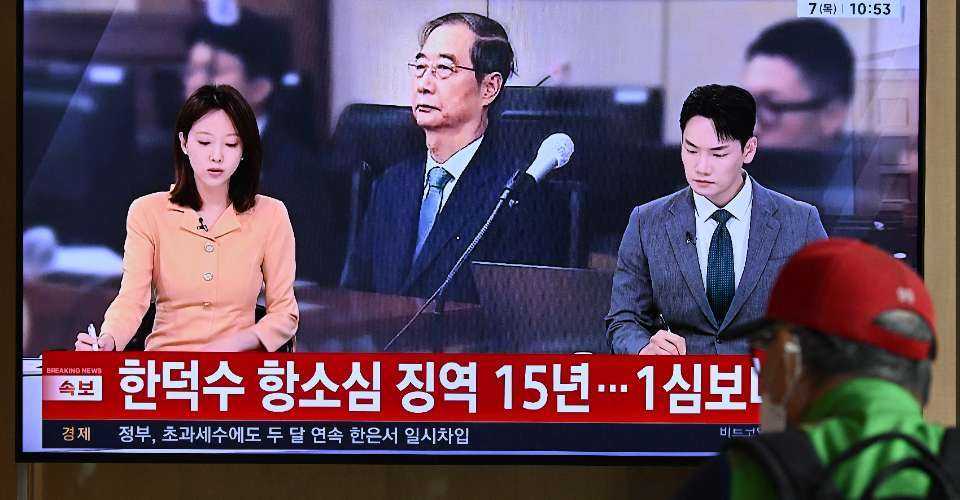
A South Korean appeals court has reduced former Prime Minister Han Duck-soo’s prison sentence from 23 to 15 years for his involvement in the chaotic martial law declaration ordered by ex-President Yoon Suk Yeol. The ruling was handed down today by a Seoul court, signaling a major development in a politically explosive case that shook South Korea in late 2024.
The martial law declaration, issued by President Yoon in December 2024, briefly suspended civilian rule and caused national turmoil before dissolving after six hours when opposition lawmakers swiftly voted to overturn it. Han, a seasoned technocrat with over 50 years as a government official, was initially sentenced in January to 23 years behind bars for aiding the decree.
Appeals Court Cites Han’s Public Service but Confirms Guilt
The appeals court today cut Han’s sentence by eight years but upheld most of the charges. The presiding judge emphasized Han’s decades of public service but condemned him for endorsing what the court called “acts of insurrection” instead of opposing the martial law despite his awareness of its historical dangers.
“He had experienced unconstitutional and unlawful martial law measures and insurrectionary situations himself, and was therefore well aware of the extensive damage and chaos such events could cause, as well as their seriousness and gravity,” the judge stated.
Han, 76, who listened quietly to the verdict dressed in a white shirt and dark suit, has been imprisoned since his sentencing in January. During the short-lived martial law episode, after the parliament revoked the order, Han convened and led a cabinet meeting to rescind the martial law on behalf of President Yoon.
Wider Political Turmoil: Yoon’s Life Sentence and Other Appeals
Han’s sentence reduction is part of a series of high-profile appeals involving people close to former President Yoon. Yoon himself had his sentence for justice obstruction increased to seven years from five last week, adding to his existing life sentence for leading an insurrection. The former first lady, Kim Keon Hee, also saw her corruption sentence rise to four years on bribery and stock manipulation charges unrelated to the martial law case.
These successive rulings highlight the ongoing political crisis reverberating through South Korea’s government and judiciary systems. For international watchers, including readers in the U.S., this case underscores the fragility of democratic institutions when authoritarian tactics resurface.
What’s Next?
With this verdict, South Korea moves closer to finalizing legal outcomes for key figures involved in the December 2024 upheaval. Observers will be watching how these rulings impact South Korea’s political stability and public trust in governance. For Ohio audiences who follow global political justice, the case serves as a stark reminder of democracy’s vulnerability worldwide.
The Seoul appeals court’s decision today marks a crucial moment after months of tense judicial proceedings, with all eyes now on final sentencing outcomes and potential further appeals.