Chicago Celebrates First Bald Eagle Born Within City Limits in Over 100 Years
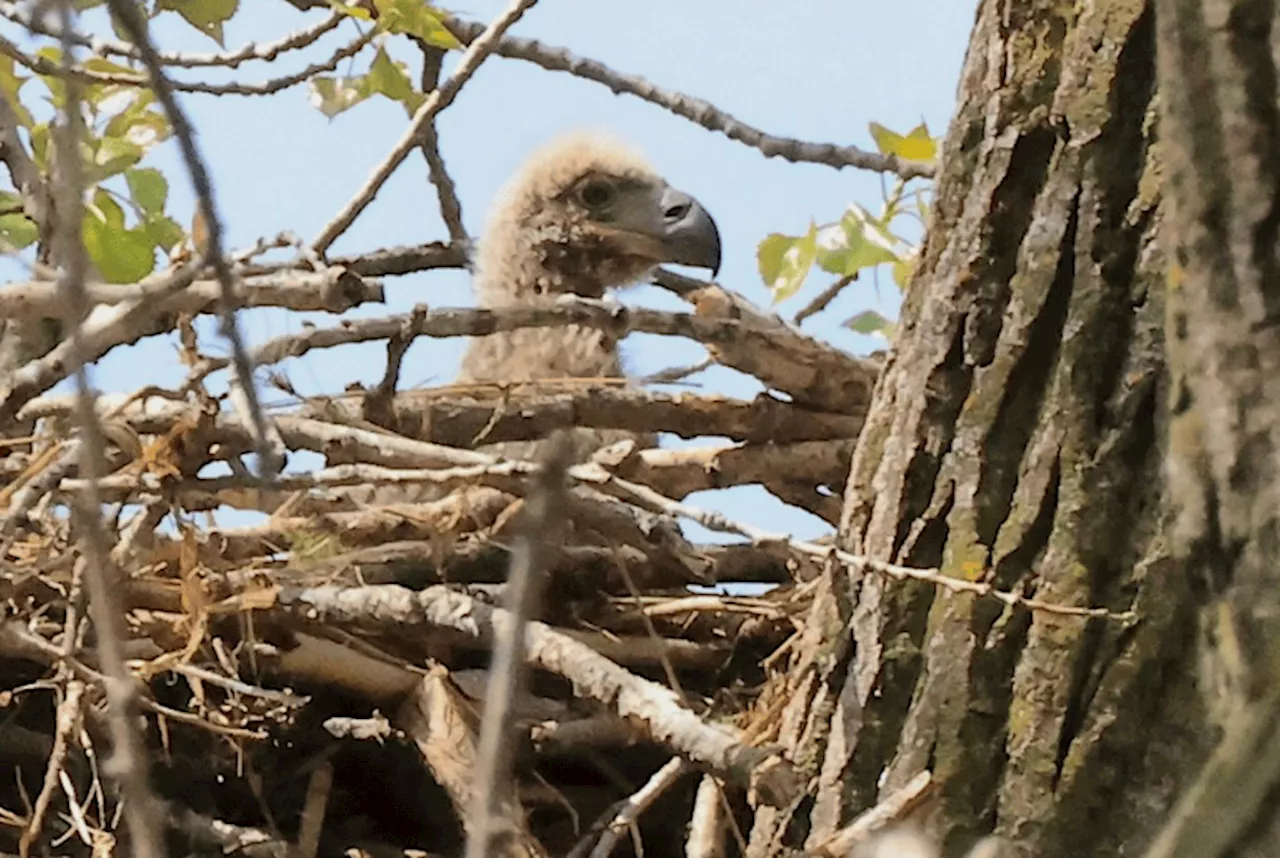
For the first time in more than a century, a bald eagle eaglet hatched within Chicago’s city limits, marking a major milestone in urban wildlife recovery. The eaglet broke through its shell on April 28 in a nest at Park 597, a restored natural area on the city’s Southeast Side along the Calumet River.
The Chicago Park District, alongside local birders, confirmed the nesting activity early this spring after extensive ecological restoration began. The park district has been revitalizing the 163-acre habitat corridor formed by Park 597 and the nearby Indian Ridge Marsh since taking over management in 2019.
Urban Habitat Renewed to Support Wildlife Returns
Chicago Park District General Superintendent and CEO Carlos Ramirez-Rosa emphasized the significance of this breakthrough:
“We’d like it to be a regular occurrence, and for that to happen, we need the public’s cooperation to see even more wildlife thrive in our urban parks.”
Substantial work has removed invasive plants, restored native species, and improved wetland connections to the Calumet River to create a sustainable environment for eagles and other wildlife.
Newborn Eagle Captivates Chicago and Beyond
Bald eagles have been spotted flying over Chicago in recent years, but no chick had successfully hatched within city limits for over 100 years—until now. Bird lovers and conservationists see this as a hopeful sign of recovering ecosystems in urban settings across the U.S.
The eaglet’s presence has prompted a citywide naming contest open through May 15, encouraging residents to submit suggestions. A public vote will decide the winner after three finalists are announced on May 19. This community engagement highlights the eaglet’s symbolic importance for Chicago’s wildlife resurgence.
Safety Measures in Place to Protect the Nest
The Chicago Park District urges the public to respect the delicate nesting site by staying on marked trails, keeping distance from the nest, and refraining from using drones or other disruptive activities in the area.
This approach aims to ensure the eaglet’s survival and foster ongoing urban wildlife growth, which is increasingly vital in cities nationwide balancing development with nature.
Broader Significance for Urban Wildlife in America
While Ohio and other states celebrate bald eagle population rebounds, Chicago’s success demonstrates the powerful results achieved when cities invest in habitat restoration and community collaboration. This eaglet’s arrival serves as a beacon for wildlife enthusiasts and policymakers seeking to revive natural ecosystems amid urban sprawl.
With the fledgling’s future closely watched, Chicago stands at the forefront of a growing trend toward reconnecting urban life with the natural world, inspiring hope for similar recoveries across U.S. metropolitan areas.