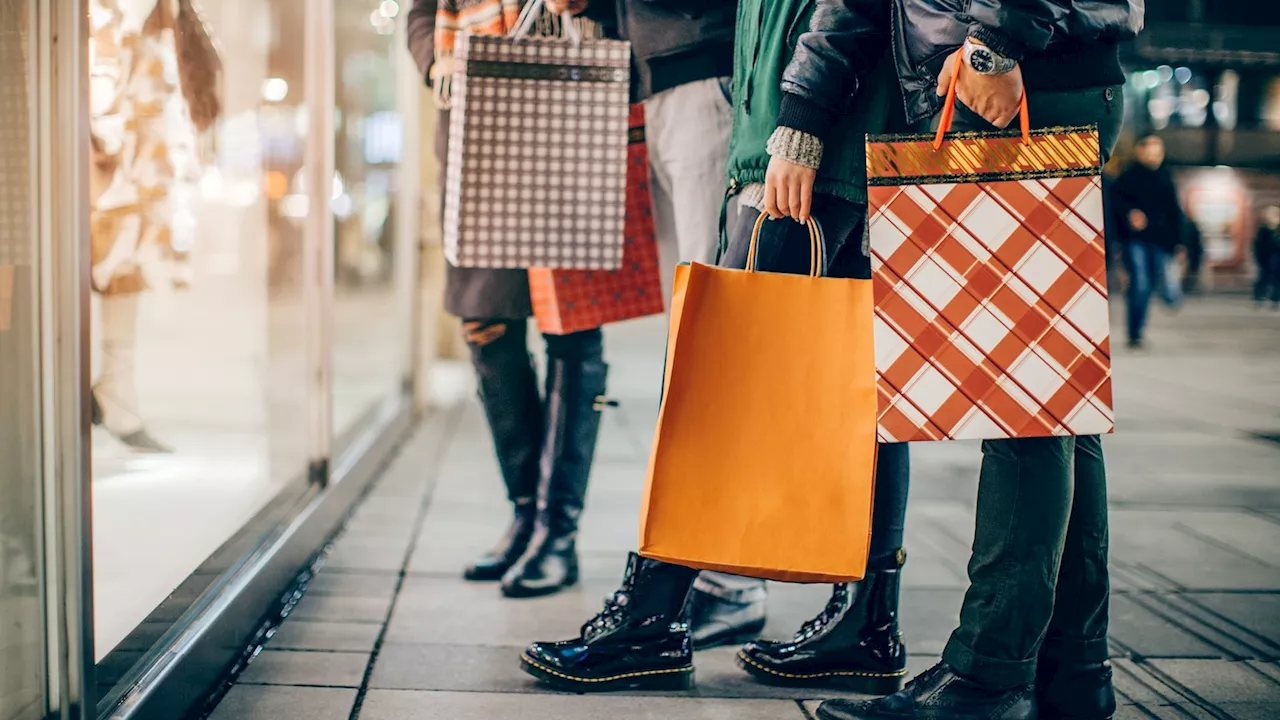
Retail experts indicate that this year’s holiday shopping season will see a significant decline in consumer spending. According to a recent report from the National Retail Federation, Americans are expected to spend around $890.49 per person on gifts, food, and decorations. This amount marks a decrease from last year’s record spending of $901.99 per person.
Factors such as tariffs, inflation, and ongoing economic pressures are influencing consumer behavior. As a result, shoppers are becoming more cautious about their expenditures. The Bank of America conducted a study revealing that higher-income consumers are likely to make more purchases than those with lower incomes. Interestingly, lower-income shoppers are expected to start their holiday buying earlier than usual as they aim to manage their finances more effectively.
Mary Hines Droesch, the head of consumer and small business products and analytics at Bank of America, stated, “A lot of the drivers of that is because of the need to spread out their expenses over several months, but also with concerns about tariffs… if they don’t shop now, prices are going to go up later.” The combination of economic uncertainty and the government shutdown has made consumers increasingly eager to find deals.
Changing Shopping Habits
This shift in spending habits is reflected in where consumers are choosing to shop. Droesch noted that shoppers are prioritizing big box retailers and dollar stores over outlet stores and e-commerce platforms. The search for bargains is driving this trend, as customers look for ways to maximize their holiday budgets.
In addition, the Bank of America Institute has observed that shoppers are increasingly utilizing artificial intelligence tools to assist in their holiday gift searches. Approximately half of the surveyed respondents reported plans to use AI tools while shopping this season. Retailers like Nordstrom and Wayfair are responding by rolling out pre-Black Friday deals, hoping to attract customers early and encourage them to spread their spending over several months.
Droesch highlighted that popular gift categories this season include electronics, clothing, and gift cards, which offer recipients flexibility. For younger shoppers, specifically those from Generation Z, there is a growing interest in affordable, pre-owned items and alternatives to high-priced brands. “A product that is very, very similar in nature to a branded, more expensive item—that’s a great way for you to have a more affordable holiday budget,” Droesch explained.
Grocery Savings for Thanksgiving
As the holiday season approaches, grocery stores are also stepping up to provide savings on Thanksgiving essentials. With many consumers looking to celebrate without overspending, retailers are offering discounts on traditional meal items. This trend reflects a broader desire among consumers to enjoy the holiday while keeping costs manageable.
The overall sentiment among shoppers this year is one of caution and practicality, as they navigate a complex financial landscape. With rising costs and changing habits, this holiday season will undoubtedly present unique challenges and opportunities for both consumers and retailers alike.