URGENT UPDATE: Federal Reserve officials are expressing deep divisions over monetary policy, casting doubt on what was once seen as a sure bet for a rate cut in December. This internal conflict emerged following last week’s Federal Open Market Committee meeting, which resulted in a 10 to 2 vote to lower borrowing costs by a quarter percentage point.
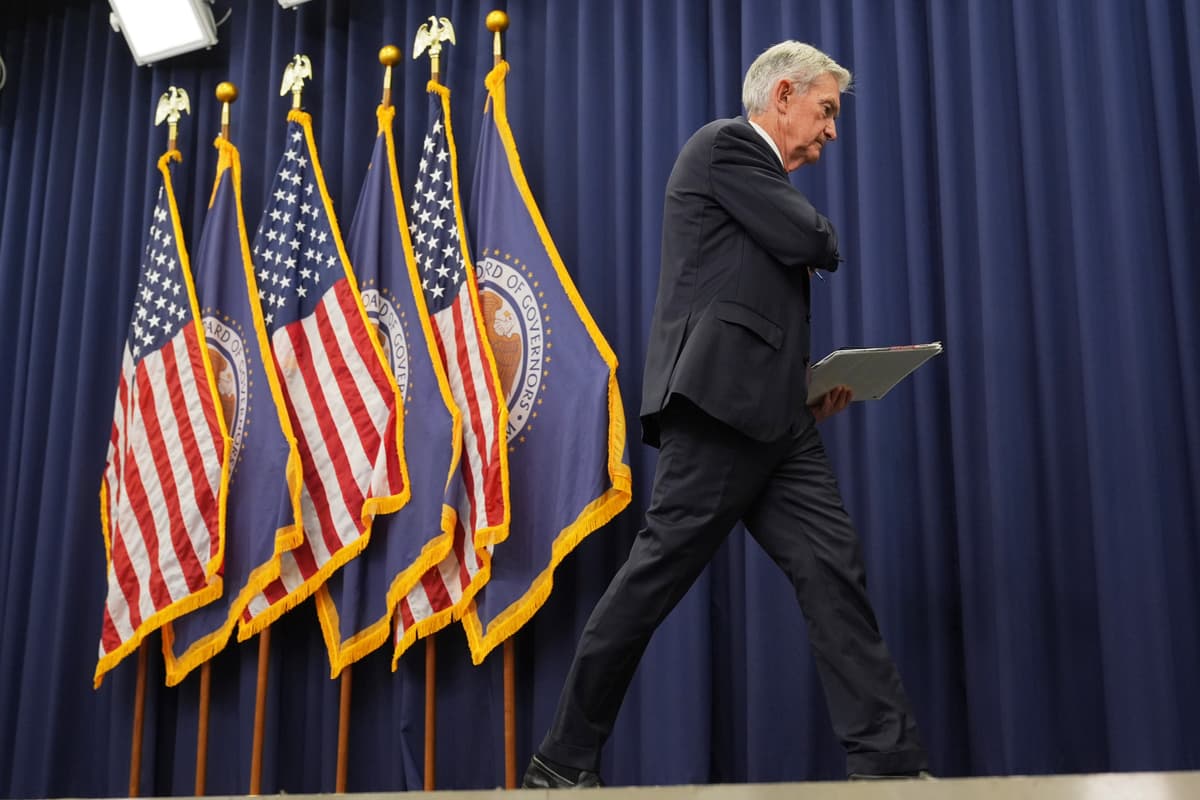
At the heart of this rift is a stark disagreement on the economic outlook and the appropriate response to ongoing challenges. Fed Chairman Jerome Powell confirmed the unusual divide in a press conference, stating that a December rate cut is “not a foregone conclusion. Far from it.” Markets have reacted swiftly, now pricing in only a 65 percent chance of a rate reduction next month, down from over 90 percent prior to these revelations.
The tension within the Federal Reserve centers around how to navigate a weakening labor market while grappling with persistently high inflation. The ongoing government shutdown complicates this situation, as it has halted the release of critical economic data.
Newly appointed Fed Governor Stephen Miran has emerged as a leading advocate for aggressive rate cuts. He argues that current policies are overly restrictive, asserting that “continuing to run policy that restrictive is to run unnecessary risks.” Miran’s comments follow a report showing that American companies added 42,000 jobs in October, a slight improvement over previous months.
“I think policy is too restrictive and that we’re too far above where neutral rates would be,” Miran stated in an interview with Yahoo Finance. “This is a welcome surprise.”
However, the growing number of hawkish voices among Fed officials complicates the outlook. Key figures such as Lorie Logan of the Dallas Fed and Beth Hammack of the Cleveland Fed have expressed reservations about further easing amidst ongoing inflationary pressures. Raphael Bostic, President of the Atlanta Fed, has also voiced concerns, emphasizing the need for caution.
Chicago Fed President Austan Goolsbee, while supporting last week’s cut, admitted on Monday he is “nervous about the inflation side,” especially with inflation remaining above the target for over four years. He described himself as “undecided” going into the December meeting.
In a balanced take, Governor Lisa Cook highlighted the tension between the Fed’s dual mandate of maximizing employment and stabilizing prices. Speaking at the Brookings Institution, she noted that keeping rates too high could lead to a sharp deterioration in the labor market, while cutting rates too much might unanchor inflation expectations.
Cook remarked that the December meeting remains “live” for potential cuts but refrained from committing to any decisions. She also pushed back against Powell’s suggestion that the government shutdown would necessitate slower decision-making, asserting that Fed staff have access to various data sources to evaluate the economy continuously.
San Francisco Fed President Mary Daly echoed this sentiment, calling last week’s rate cut “insurance” against potential labor market weakness while keeping an open mind about December’s decisions. “It would be an unfortunate outcome if we get inflation to 2 percent at the cost of millions of jobs,” Daly warned, emphasizing the need for careful balancing of risks.
The upcoming December meeting will be critical as the Federal Reserve grapples with these diverging views. With economic conditions rapidly evolving, all eyes will be on how policymakers navigate this complex landscape in the coming weeks.
Stay tuned for updates as this story develops, and be prepared for potential market shifts depending on the Fed’s next moves.