URGENT UPDATE: A heartfelt message from a friend has turned into emotional turmoil as a simple thumbs-up emoji response leaves one woman questioning the value of their friendship. This incident highlights the often overlooked complexities of communication in close relationships.
In a recent exchange, a woman shared her vulnerability about feeling overwhelmed to a long-time friend, only to receive a thumbs-up emoji in return. This seemingly dismissive response has led to feelings of hurt and confusion, prompting her to reconsider the emotional depth of their friendship. The friend has not provided any verbal acknowledgment of the message, leaving her feeling undervalued.
Latest developments indicate that this situation is not isolated. Emotional communication can vary widely among individuals, and this case underscores the importance of understanding and responding appropriately to friends in need. Many are sharing similar experiences, resonating with the feelings of disappointment and insecurity when emotional support is lacking.
Meanwhile, another story unfolds as friends plan a visit to the Metropolitan Museum of Art in New York City. The rooftop is set to close for renovations for the next five years, making this visit a rare opportunity. However, one friend faced a setback when she took the wrong train, arriving a staggering 45 minutes late. Despite her efforts to inform her friends to proceed without her, she found herself waiting in a chaotic entry line, ultimately missing the rooftop experience altogether.
Upon finally meeting up with her friends inside, she felt a wave of disappointment wash over her as they acted casual about her absence. The emotional impact was profound—missing out on a special occasion while grappling with feelings of being left out.
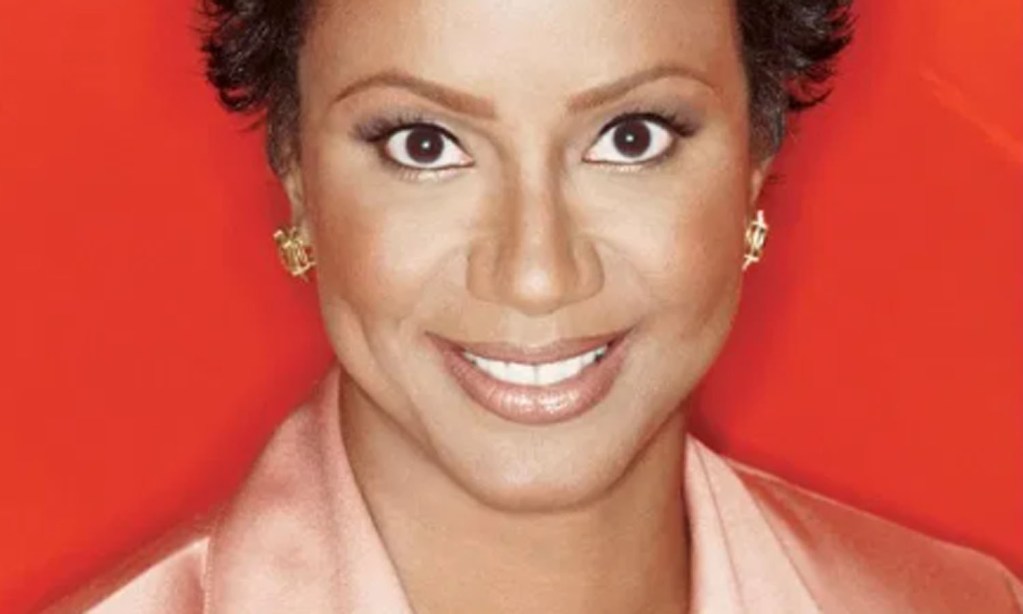
Officials and experts emphasize the importance of communication in friendships. Harriette Cole, a lifestylist and founder of DREAMLEAPERS, advises individuals to learn from such situations. She suggests that a friend’s lack of response can indicate either an inability or unwillingness to provide emotional support, which can inform future interactions.
As these stories illustrate, the emotional landscape of friendships can be complex and fraught with misunderstandings. It raises the question: how do we navigate these feelings while maintaining healthy relationships?
For those involved, the next steps may involve confronting these feelings directly. Should the hurt friend communicate her feelings about the emoji response, risking further awkwardness? Or should she reassess her expectations of this friendship? Meanwhile, the latecomer must decide how to address her disappointment with her friends and find a way to move past this incident.
As these narratives unfold, they serve as a reminder of the fragile nature of human connections. The way we communicate—especially in moments of vulnerability—can have lasting impacts on our relationships. Keep an eye on these evolving stories as they resonate with many navigating similar emotional terrains.
Stay tuned for more updates on these personal stories and the broader implications of emotional communication in friendships.