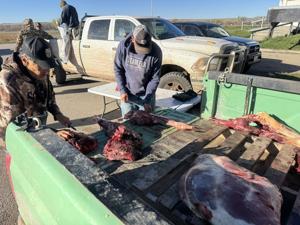
As political tensions in Washington D.C. threaten food assistance programs, tribes in Montana are proactively addressing food insecurity. On October 1, 2023, members of the Crow Indian Reservation gathered in Wyola to receive fresh elk meat, marking a significant effort to bolster food sources for local families.
The distribution event was organized by tribal leaders who recognized the urgent need for food security as the Supplemental Nutrition Assistance Program (SNAP) benefits face potential cuts due to ongoing budget negotiations in Congress. With many families relying on these benefits, the stakes are high for the community.
Local Response to National Challenges
As federal lawmakers debate funding, many tribes across the United States are taking matters into their own hands. The Crow Indian Reservation, located in south-central Montana, has been particularly affected by the proposed changes to SNAP. The cutbacks could significantly impact the ability of families to access nutritious food.
During the distribution, residents expressed relief and gratitude. “Access to fresh meat is vital for our community, especially with everything going on at the federal level,” said one local elder who participated in the event. This sentiment reflects a broader concern among tribal members about their food security amid political stalemates.
According to tribal leaders, the elk meat distribution is part of a larger initiative to enhance food sovereignty within the community. This program not only provides immediate relief but also emphasizes the importance of traditional practices and sustainable hunting.
Food Sovereignty and Community Initiatives
The elk hunting tradition is deeply rooted in the culture of the Crow people. By organizing events like these, the tribe aims to reinforce food sovereignty—a concept that encourages communities to control their food systems. This initiative is crucial for fostering resilience in the face of fluctuating federal support.
In recent years, many tribes have explored sustainable food practices to counteract reliance on government assistance, which can be unpredictable. The Crow Reservation’s efforts to distribute elk meat is just one example of how Indigenous communities are adapting to changing circumstances while preserving cultural traditions.
As the political landscape evolves, the actions taken by the Montana tribes highlight the importance of community-driven solutions. While federal negotiations continue, the resilience of the Crow people serves as a reminder of the strength found in cultural heritage and collective action.
With the future of SNAP benefits uncertain, initiatives like the elk meat distribution will remain vital in supporting the nutritional needs of the Crow Indian Reservation and beyond.