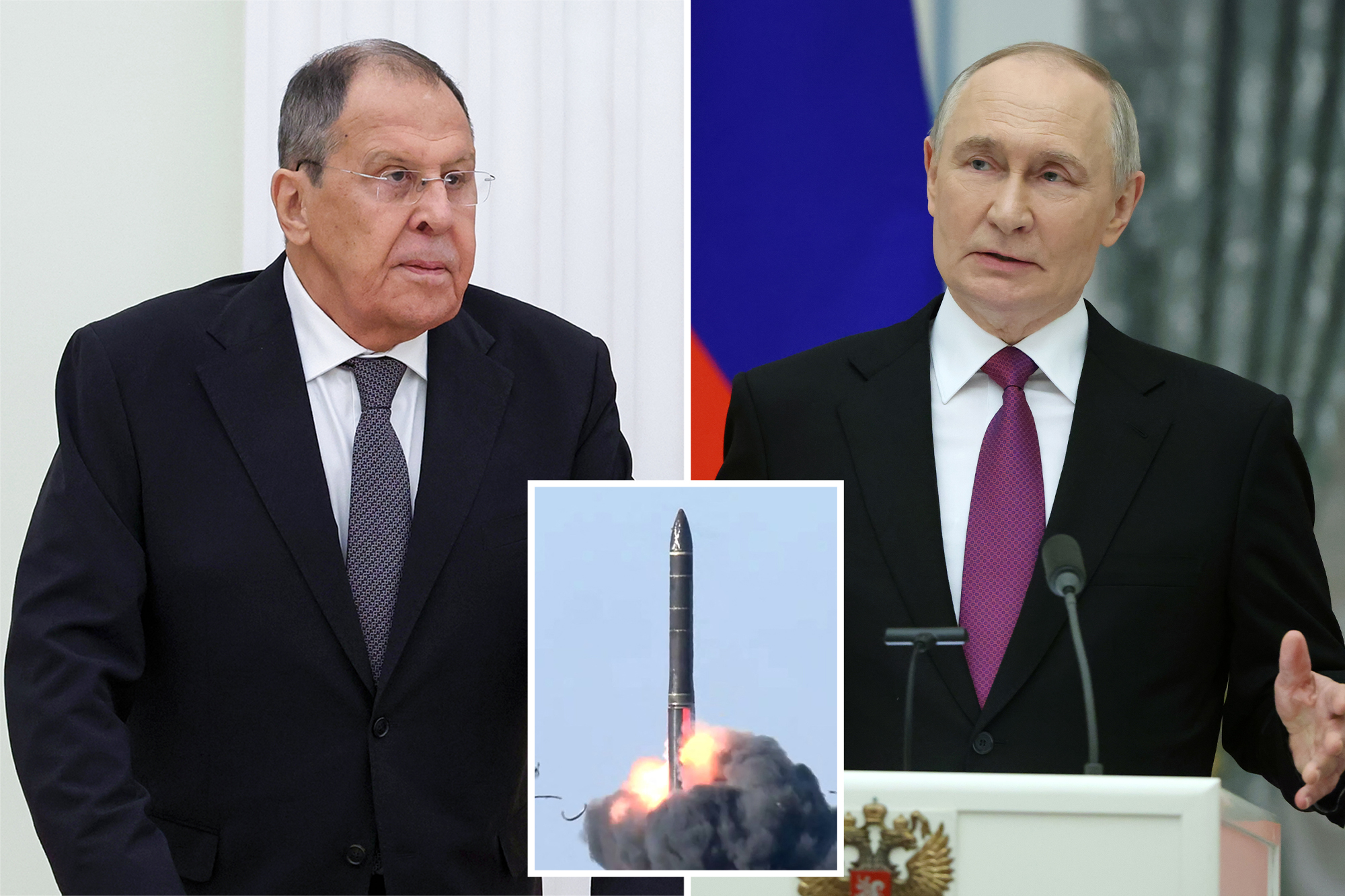
Russian Foreign Minister Sergey Lavrov announced on November 5, 2023, that the Kremlin is formulating proposals for nuclear weapons testing. This development follows orders from President Vladimir Putin and comes in response to recent statements made by US President Donald Trump. According to state media reports, Lavrov confirmed that preparations are underway to implement Putin’s directive.
During a press briefing, Lavrov stated, “Regarding President Vladimir Putin’s instruction at the Security Council meeting on November 5, it has been accepted for implementation and is being worked on.” He added that details about the testing initiatives would be disclosed to the public in due course.
The backdrop for these developments stems from Trump’s surprising comments last week, suggesting the United States might resume nuclear tests for the first time in thirty years. Lavrov mentioned that Russia has yet to receive clarification from the US on whether Trump’s remarks pertained to testing nuclear weapons carriers or conducting subcritical tests. “Maybe Donald Trump really talked about Washington’s intention to resume full-scale nuclear tests,” Lavrov speculated.
Trump’s statements indicated a desire for the US to be on an “equal basis” with both Russia and China concerning nuclear capabilities. In a post on Truth Social, he remarked, “Because of other countries testing programs, I have instructed the Department of War to start testing our nuclear weapons on an equal basis. That process will begin immediately.”
The United States has maintained a voluntary moratorium on nuclear explosive testing since 1992, marking over three decades without such tests. In contrast, North Korea has conducted confirmed nuclear tests during this period. Additionally, there are allegations that China has engaged in clandestine, low-grade nuclear testing in recent years.
As tensions between major nuclear powers escalate, the implications of these developments are significant for global security and diplomatic relations. The international community is closely monitoring the situation as both nations navigate the complexities of nuclear armament and disarmament discussions.