UPDATE: Audi has officially launched its Formula 1 program, unveiling its highly anticipated challenger for the 2026 season during a significant event in Munich today. This marks the automaker’s bold entry into the elite racing series, aiming to compete for championships by 2030.
Audi’s F1 ambitions are spearheaded by seasoned professionals, with former Ferrari chief Mattia Binotto at the helm of the entire project. Ex-Red Bull operations manager Jonathan Wheatley will oversee trackside operations, ensuring a robust structure akin to McLaren’s successful leadership dynamic.
The powertrain will be developed at Audi’s facility in Neuberg, Germany, while the chassis will be constructed at the recently acquired Sauber site in Hinwil, Switzerland. This integration is critical for synchronizing powertrain and chassis development, vital for Audi’s competitive edge.
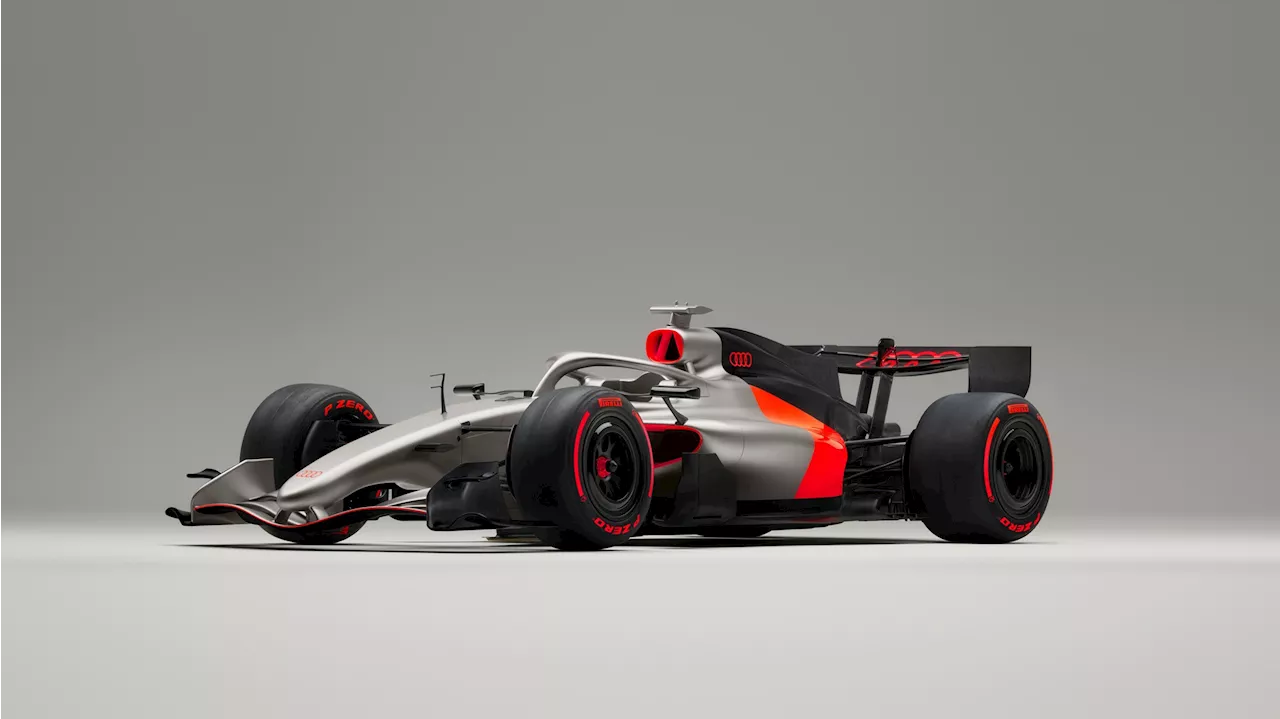
Just six weeks away from its inaugural public winter test, Audi showcased a striking dummy car featuring a titanium silver and Audi red livery, symbolizing performance excellence. The design reflects the brand’s identity and sets the stage for the upcoming season. Expect a prominent presence from sponsors, including BP, which will fuel the team, enhancing Audi’s competitive profile.
Driving duties will be entrusted to existing Sauber drivers Nico Hülkenberg and Gabriel Bortoleto. Hülkenberg expressed enthusiasm for the project, highlighting the team’s energy and the fresh opportunities that accompany the 2026 regulations.
The 2026 season will introduce significant changes in Formula 1, emphasizing electric power and flexible fuel regulations. The new hybrid powertrain aims to generate 350 kW of energy, doubling the current output, while the MGU-H component will be eliminated. These changes will lead to a more powerful and challenging system, all while adhering to a reduced budget of €180 million.
Audi’s previous experience in motorsport, including Formula E and Dakar, positions the team uniquely as it navigates the complexities of developing internal combustion engines (ICE). Although this represents a new challenge—producing 50-100 ICE engines annually—the partnership with BP offers opportunities for tailored fuel solutions, enhancing engine performance.
Binotto emphasized Audi’s commitment to its motorsport heritage, referencing the legendary Auto Union Silver Arrows. The project is a significant investment in the future of motorsports, requiring constant innovation and collaboration among all team members. Wheatley reinforced the importance of resilience, noting that setbacks will be valuable learning experiences.
As Audi gears up for this thrilling chapter in Formula 1, motorsport enthusiasts and fans worldwide are eager to see how this ambitious entry unfolds. With eyes set firmly on the championship by 2030, Audi’s journey in F1 is just beginning.
Stay tuned for more updates as Audi prepares for its first test and gears up for a competitive future in Formula 1.