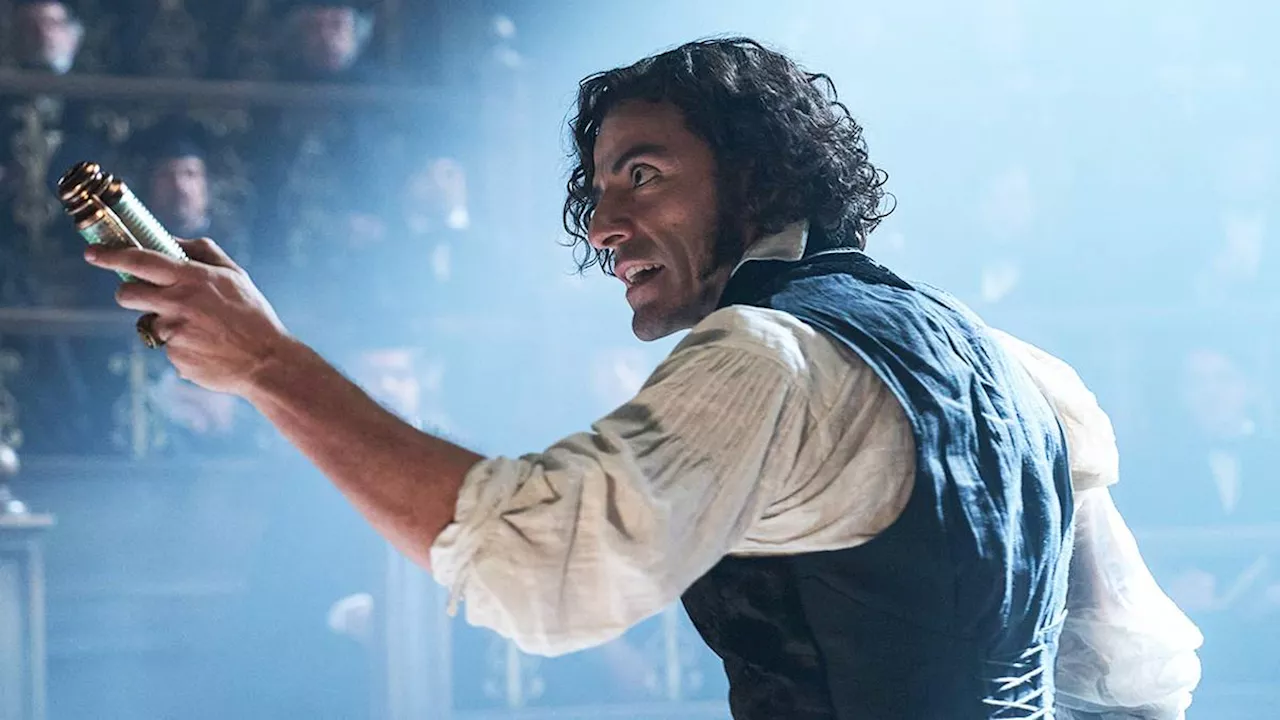
UPDATE: Guillermo del Toro’s highly anticipated adaptation of Frankenstein has just been released on Netflix, thrilling audiences with significant deviations from Mary Shelley’s original novel. The Gothic horror film, which premiered after a brief theatrical run in early November 2025, is capturing attention for its daring reinterpretations of classic characters and themes.
This modern retelling, set against the backdrop of the Crimean War in 1855, pushes the boundaries of the original narrative, making it highly relevant for today’s viewers. As audiences gear up for a chilling experience, del Toro’s film dives deep into the emotional turmoil of its characters, especially the troubled relationship between Victor Frankenstein and his creation.
New reports confirm that one of the most striking changes is Victor Frankenstein’s backstory. Unlike the supportive father depicted in Shelley’s text, del Toro presents a darker portrayal of Victor’s father, Leopold Frankenstein, played by Charles Dance. This shift amplifies the film’s themes of parental influence, as Victor’s mistreatment leads him to become a monstrous figure himself.
In an unexpected twist, the film introduces a significant character, Henrich Harlander, a war profiteer who assists Victor in his experiments. This character, absent from the original novel, adds a layer of complexity to Victor’s quest for knowledge and power.
Del Toro’s adaptation also omits key characters like Justine and Henry Clerval, streamlining the narrative but removing poignant moments that highlight the consequences of Victor’s choices. Without Justine’s tragic fate, the film shifts focus away from the moral dilemmas that haunt Victor throughout the novel.
As the story unfolds, the Creature, played by Jacob Elordi, is portrayed with a newfound sympathy, highlighting his struggles and desires. This portrayal contrasts sharply with the original text where the Creature is often seen as a mere monster. Del Toro emphasizes the humanity within the Creature, making his journey more relatable and heart-wrenching.
The film’s climax diverges significantly from Shelley’s ending. In a powerful reconciliation scene, Victor asks for forgiveness from his creation, portraying a moment of emotional depth previously unseen in the novel. This departure from the original narrative not only reshapes the characters’ arcs but also leaves audiences contemplating the themes of forgiveness and acceptance.
As viewers rush to stream this fresh take on a classic horror tale, social media is buzzing with discussions about the film’s bold choices. Del Toro’s Frankenstein is poised to become a significant cultural touchstone, offering a reflection on the ongoing struggle with human morality and the consequences of playing god.
With a runtime of 149 minutes, this adaptation is not just a film but an exploration of familial bonds, societal expectations, and the essence of humanity. Don’t miss out on the chance to experience a story that challenges the very core of what it means to create life.
Stay tuned for more updates as Guillermo del Toro’s Frankenstein continues to dominate streaming charts and sparks conversations worldwide.