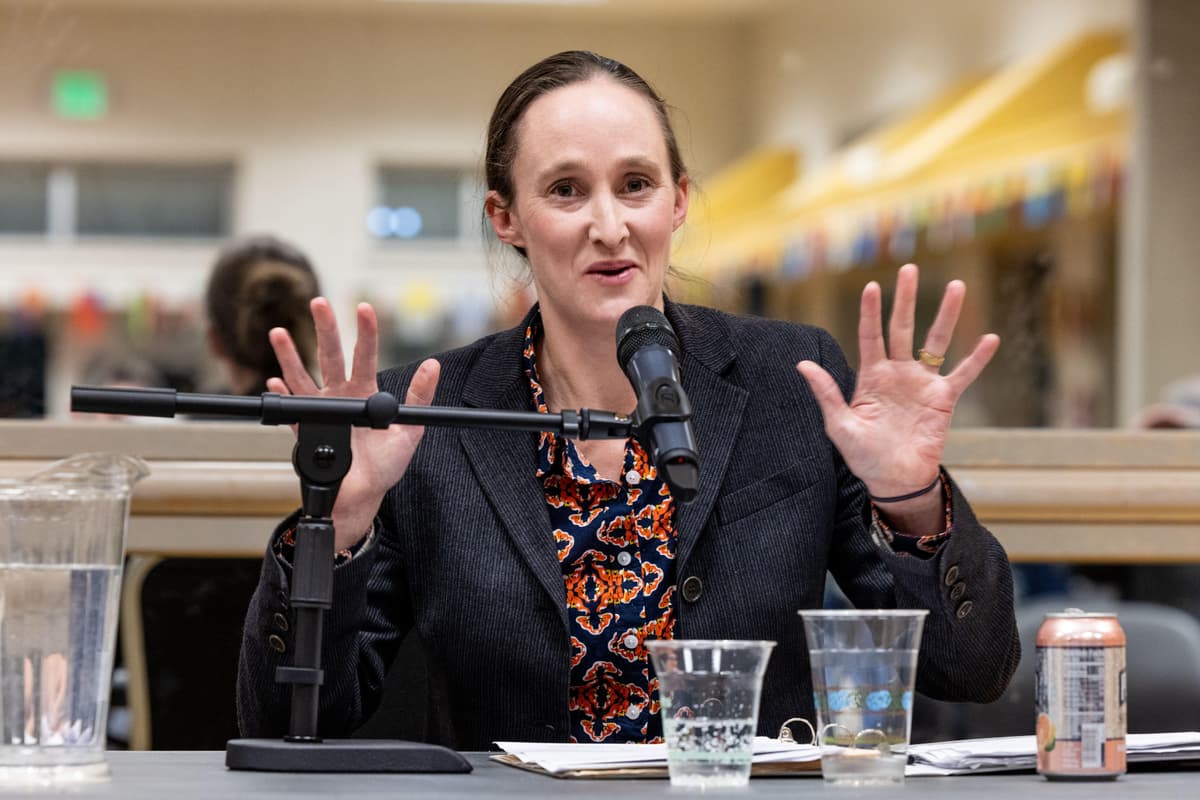
UPDATE: In a stunning upset, Katie Wilson, a socialist candidate, has unseated incumbent Bruce Harrell to become the next mayor of Seattle. This historic victory, confirmed today, marks a significant shift in the political landscape, echoing the recent win of Zohran Mamdani in New York City.
With only 1,320 mail-in ballots remaining to be counted as of Wednesday, Wilson’s lead has rendered Harrell’s chances of remaining in office mathematically impossible. “This campaign was driven by a deep belief that we need to expand the table to include everyone in the decisions that impact their lives,” Wilson stated, promising a new administration focused on inclusive governance.
The latest count puts Wilson ahead, despite trailing by approximately seven percentage points on Election Day. Historically, mail-in ballots in Seattle have favored progressive candidates, contributing to Wilson’s surprising turnaround. This election is on track to be the closest in modern Seattle politics, with reports indicating a potential recount, although the current margin suggests it may not be necessary.
Wilson, co-founder of the Transit Riders Union, previously advocated for economic reforms through initiatives like the city’s JumpStart tax on high-earning corporations, including Amazon. Her campaign focused on pressing issues such as increasing affordable housing and enhancing public services. Wilson proposes constructing 4,000 emergency homeless shelter units, which would cost the city at least $500 million, alongside a $1 billion bond for “union-built” social housing.
This dramatic shift away from traditional establishment politics is underscored by Wilson’s own admission of financial support from her parents for childcare costs, which she highlighted to illustrate the rising cost of living in Seattle. “If you’re lucky enough to have parents who can pitch in a little bit, that’s not something to be embarrassed about,” she told KUOW-FM.
In an effort to fund her ambitious social programs, Wilson is advocating for a local capital gains tax to complement Washington state’s existing tax framework. This comes as Seattle faces the challenge of losing 1,100 millionaires in the past year, largely due to new wealth taxes aimed at addressing a state budget shortfall of nearly $16 billion.
Wilson’s victory is not just a personal triumph; it reflects a broader push against establishment Democrats and a call for more progressive policies in urban governance. As she prepares to take office, all eyes will be on how her administration navigates these complex issues and fulfills the promises made to a diverse electorate.
Stay tuned for further updates as this story develops and the implications of Wilson’s victory unfold in the coming days.