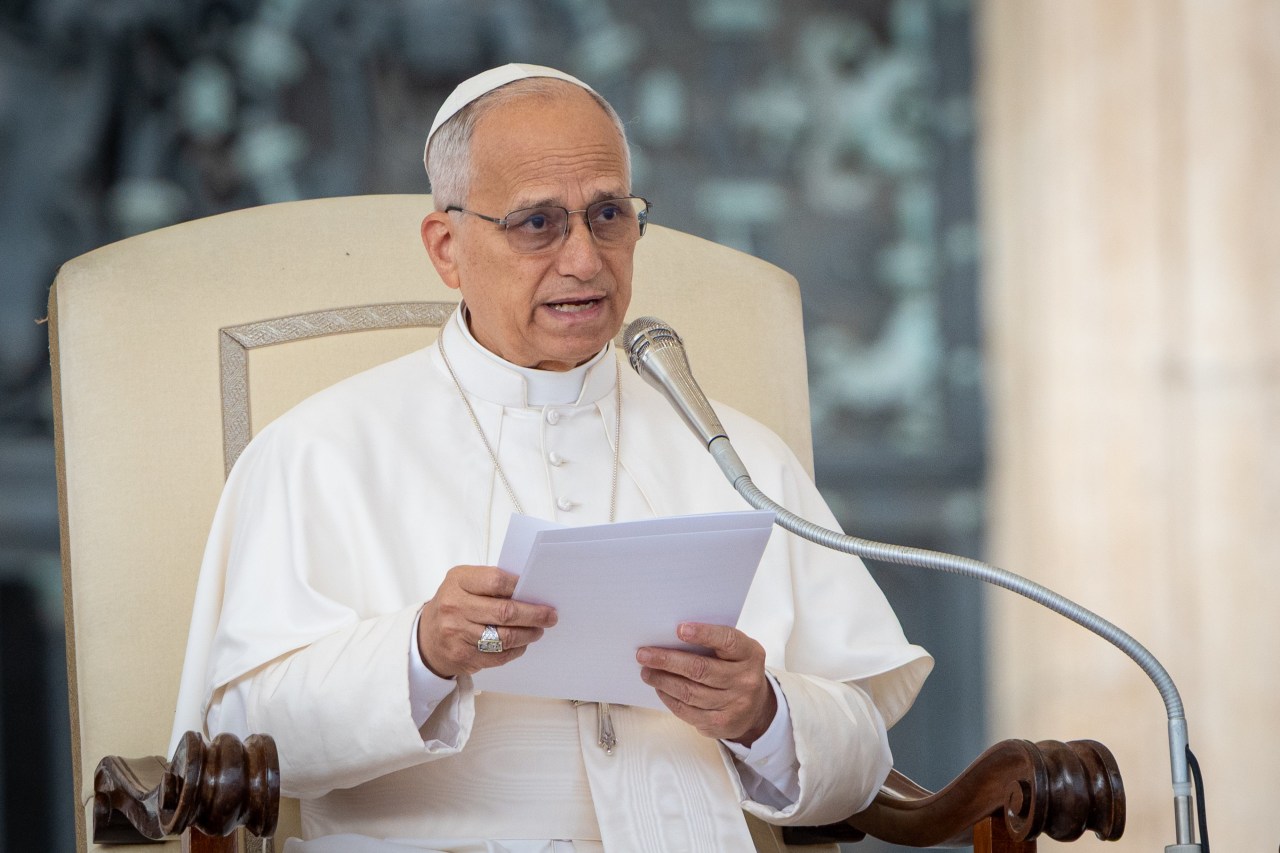
Pope Leo XIV has expressed concern over increasing claims that artificial intelligence (AI) systems, particularly chatbots, possess sentience and inherent rights. In a recent address at the Vatican, the Pope emphasized that AI should be viewed as a tool designed to assist humanity rather than a being deserving of moral consideration or rights. His comments come amid a growing debate about the ethical implications of advanced technology and its impact on society.
During his speech on October 15, 2023, Pope Leo XIV stated, “Artificial intelligence is a creation of human intellect. It operates within the parameters set by its developers and is not endowed with consciousness.” He underscored that the distinction between human beings and machines must remain clear to prevent misinterpretations of AI’s capabilities and roles.
Concerns regarding the perception of AI as sentient beings have escalated, particularly as advancements in technology blur the lines between human and machine interactions. Many users have reported feeling a connection to chatbots, which can simulate conversation and emotional responses. This increased reliance on AI for personal and professional tasks has prompted discussions about the ethical considerations of AI’s role in society.
Pope Leo XIV’s remarks reflect a broader discussion among religious and ethical leaders. He called for a responsible approach to the development of AI technologies, advocating for guidelines that prioritize human dignity and welfare. “While technology brings undeniable benefits, we must ensure it enhances our humanity rather than diminishes it,” he stated.
The Vatican has been actively engaging in discussions about the ethical use of technology for several years. In 2021, the Vatican’s dicastery for promoting integral human development released a document outlining the need for ethical frameworks in the development of AI. This was a response to the rapid growth of AI applications and their potential impact on various sectors, including healthcare, education, and employment.
Pope Leo XIV’s comments have garnered attention from various sectors, including technology, ethics, and religious communities. Some experts argue that his stance highlights the need for a more nuanced understanding of AI and its capabilities. Others stress that the discussion should extend beyond mere definitions of sentience and rights to address the implications of AI on employment and social structures.
As the dialogue surrounding AI continues to evolve, the Vatican remains committed to advocating for responsible technology use. Pope Leo XIV concluded his address by urging developers and users alike to approach AI with caution and respect. “Let us not forget that technology should serve humanity, and not the other way around,” he said.
This perspective will likely influence ongoing discussions about AI regulations and ethical guidelines in the coming years. As society grapples with the implications of these technologies, the Pope’s message serves as a reminder of the importance of maintaining a clear distinction between human beings and the tools we create.