Chile is set for a contentious presidential runoff on December 14, 2023, as neither candidate secured a clear majority in the first round of voting. The candidates include Jeannette Jara, representing the center-left government, and José Antonio Kast, a seasoned politician with a hard-right stance. This election marks a significant moment in Chilean politics, reflecting deep societal divisions.
With nearly 80% of the votes counted, both candidates emerged as the frontrunners in a polarized election held on Sunday. Jara garnered over 26% of the valid ballots, falling short of the necessary 50% threshold for an outright victory. Following the announcement of the results, Chile’s left-leaning President Gabriel Boric acknowledged both candidates and expressed hope for a campaign characterized by “dialogue, respect and love for Chile.”
At the same time, Kast, who received just over 24% of the votes, is expected to gain momentum from voters of eliminated right-wing candidates in the second round. His campaign has resonated with citizens concerned about crime and illegal immigration, reflecting widespread dissatisfaction with current security measures.
This election is particularly notable as it is the first since voting became mandatory and the registration of voters was automated. Over 15.7 million voters were required to participate out of a national population of more than 18 million, a significant increase from previous turnout rates.
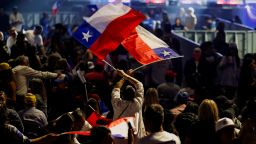
Jara, who previously served as the Minister of Labor, expressed gratitude to her supporters after the results were released. “I want to send a warm hug to all those who voted for me. This is a great country,” she stated. The enthusiasm was palpable at the campaign headquarters of both candidates, with supporters celebrating their respective leaders in different parts of Santiago.
As Chile prepares for the runoff, the implications of this election extend beyond the immediate political landscape. It has the potential to shift the nation’s trajectory, especially in a country that is the world’s largest copper producer and one of Latin America’s most stable economies. With rising concerns about security and governance, the outcome of this election will be closely watched both domestically and internationally.