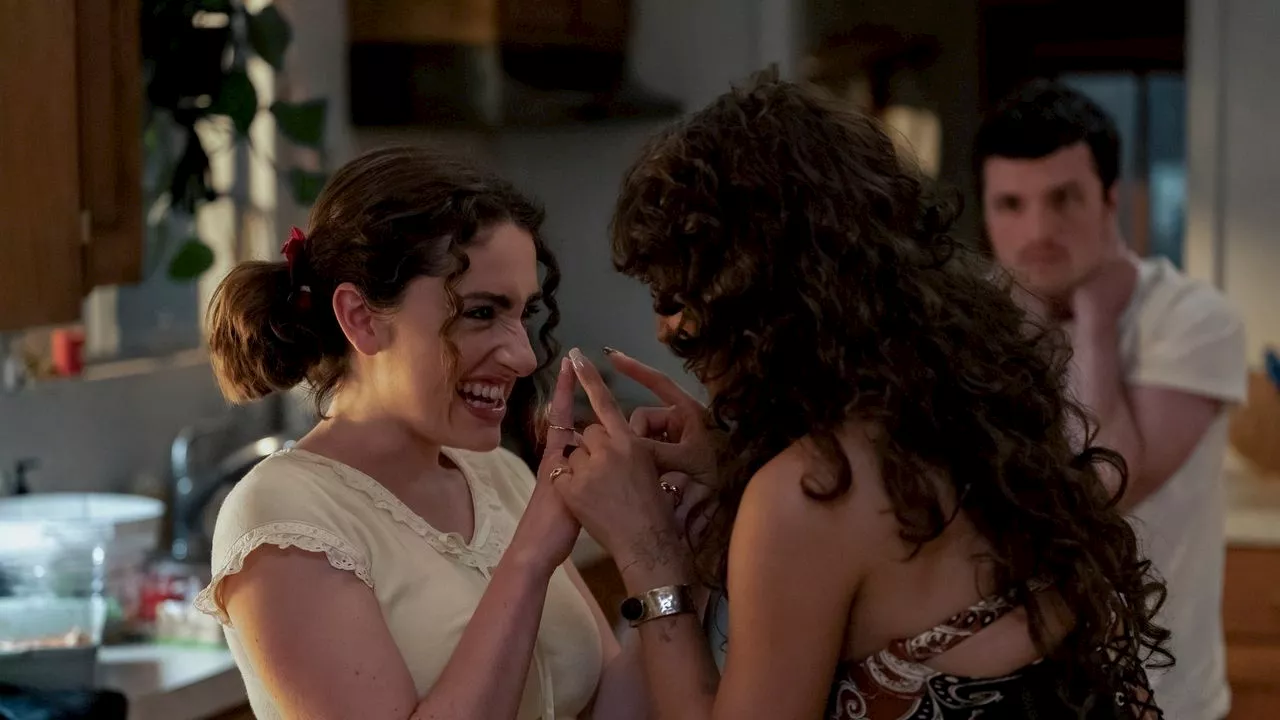
UPDATE: Rachel Sennott and Odessa A’zion are making headlines with their candid discussion on the controversial themes in their new HBO series, I Love LA. The series, which premiered earlier this month, has sparked intense debates about its portrayal of toxic friendships and social dynamics in Los Angeles.
Just announced: Sennott and A’zion revealed their characters’ complexities, highlighting a narrative that challenges viewers’ expectations for “perfect” on-screen representations. In a recent interview, Sennott stated, “I would rather have an interesting character that starts conversation than a character that’s perfect.”
The show centers around the chaotic, codependent relationship between talent manager Maya and influencer Tallulah, showcasing a friend group that includes a mix of personalities, including the nepo baby Alani and a teacher, Dylan, who stands apart from the industry. This portrayal has ignited discussions online, with critics questioning if the series normalizes gentrification or offers a realistic snapshot of young adults in LA.
Sennott articulated the intent behind the characters, sharing, “Maya and Tallulah are two versions of myself,” reflecting the duality many experience in their lives. The portrayal of flawed characters resonates with audiences, as the show mirrors real-life complexities rather than presenting black-and-white morality.
A’zion echoed this sentiment, emphasizing the importance of representing flawed individuals. “It’s just representing flawed people,” she stated, underlining the need for authenticity in storytelling. The duo’s approach in the writers’ room aimed to capture a spectrum of experiences, promoting empathy and nuance, especially in character development.
The series also includes a significant focus on Alani, the only Black woman in the main cast. Sennott explained the efforts taken to ensure diverse perspectives in the writers’ room, stating, “We wanted to make sure we had a writer’s room with different points of view.” This commitment to representation has been crucial in shaping Alani’s character, challenging stereotypes associated with nepo babies.
Fans are eager to see how the series continues to unfold, as it dives into the lives of self-absorbed yet captivating 20-somethings. The conversations sparked by I Love LA are reflective of broader societal issues, making it a vital topic of discussion in today’s culture.
As the series progresses, viewers are left wondering how these flawed characters will navigate their chaotic world. Stay tuned for more updates as the dialogue around I Love LA continues to evolve.