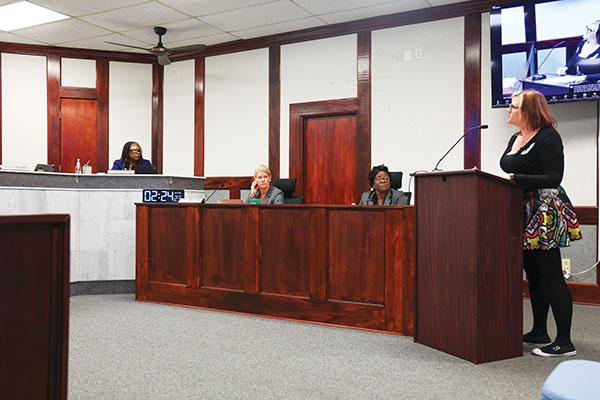
The San Clemente City Council faced intense scrutiny during a meeting on November 14, 2023, regarding a proposal to allow U.S. Customs and Border Protection (CBP) to install a surveillance camera system on city land. This discussion emerged in the wake of a tragic incident involving a panga-style boat that capsized off Imperial Beach, resulting in four fatalities. With community concerns over privacy and local control at the forefront, council members are now tasked with balancing coastal safety and civil liberties.
A packed council chamber reflected the urgency of the situation, as residents voiced their apprehensions about the implications of a permanent CBP surveillance setup. The proposed camera would be positioned on a hilltop reservoir, providing a comprehensive view of the ocean. The draft lease includes a 20-year agreement for just $10 per year, with an optional extension of another 10 years. CBP would bear the construction and installation costs, potentially exceeding $1 million, while the city would manage electrical connections and CBP would maintain exclusive access to the surveillance footage.
Following extensive discussions, council members instructed city staff to continue negotiations with CBP. The technology under consideration employs rotating telescopic lenses and thermal imaging, which advocates argue could help deter smuggling and improve safety by identifying distressed vessels. However, critics warn that such measures may transform public beaches into surveillance zones, infringing on residents’ privacy rights.
The urgency of the council’s decision is amplified by the recent capsize incident, which is being investigated as a suspected human-smuggling operation. Local and federal agencies, including the U.S. Coast Guard, coordinated responses during the disaster, highlighting the need for enhanced monitoring along the coastline.
Residents expressed significant concerns over the potential for increased federal oversight in their community. “It starts with surveillance but soon becomes something else entirely,” stated resident Jacki Minter, suggesting that taxpayers may ultimately face costs associated with potential litigation over privacy violations. Many speakers linked the surveillance proposal to broader national immigration policies, urging the council to consider the implications on privacy before proceeding with any agreements.
Legal considerations are also pivotal in these discussions, particularly due to the California Values Act (SB 54). This legislation limits collaboration between local law enforcement and federal immigration agencies, impacting the sharing of data and facilities. The council indicated that these legal frameworks will significantly influence any final lease terms.
As negotiations with CBP move forward, city officials have committed to presenting any final agreement to the council for public vote. With the recent tragedy still fresh in public memory, residents and civil liberties advocates remain vigilant, closely monitoring the council’s efforts to address coastal safety while navigating the complexities of privacy rights and state law.