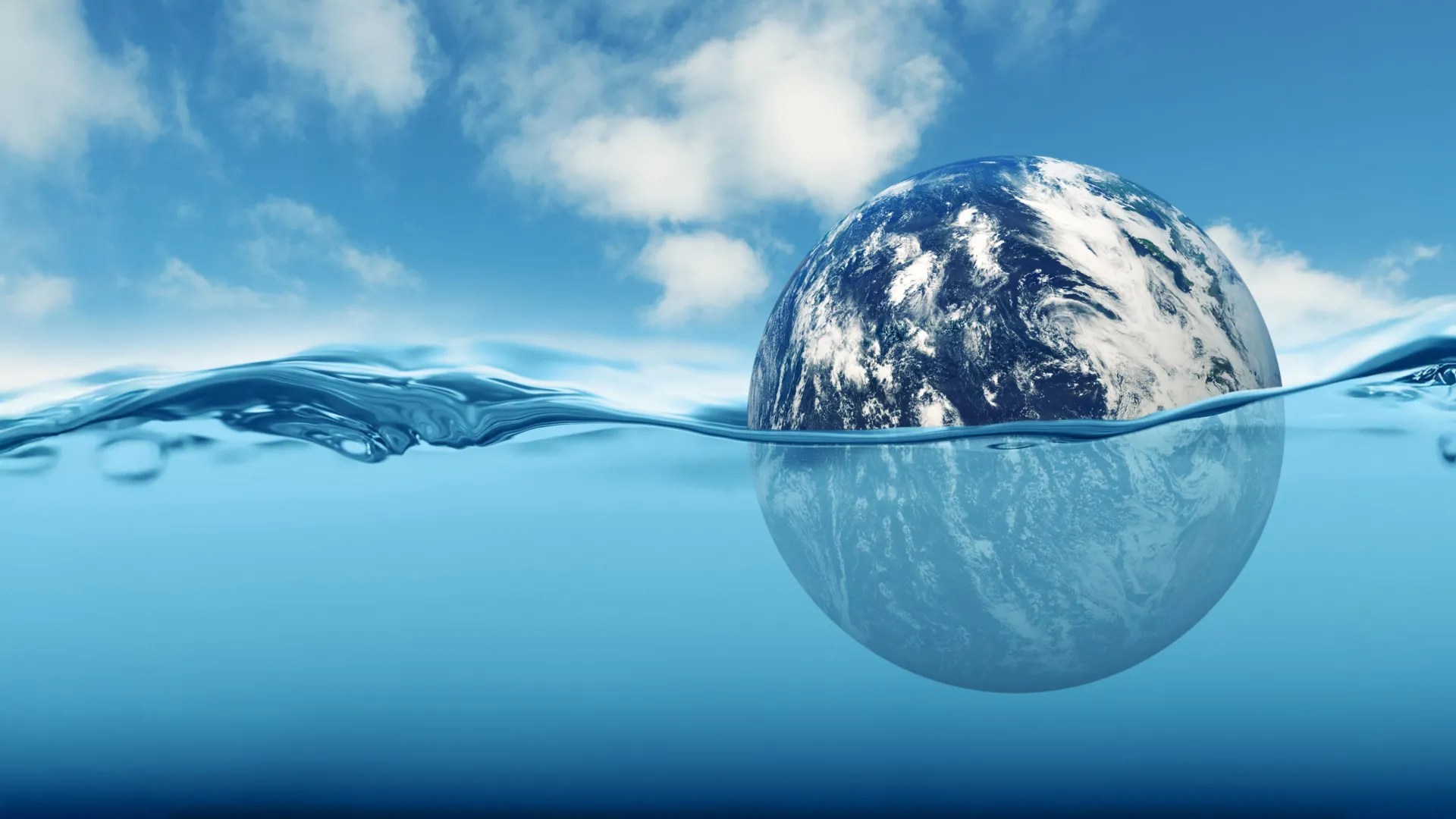
UPDATE: A groundbreaking report just released at COP30 warns of significant risks associated with turning oceans into carbon sinks. Experts from the Norwegian University of Science and Technology emphasize that current technologies for marine carbon dioxide removal are too uncertain for safe expansion.
The report, unveiled during the UN climate conference in Brazil, highlights the urgent need for robust monitoring and verification before any large-scale implementation. Helene Muri, a senior researcher at NILU, stated, “We need to safeguard the oceans for a common good. The oceans can be part of the climate solution, but we need to strengthen the way we safeguard them before we scale things up.”
As the world approaches the critical 1.5°C threshold, the report stresses that cutting emissions must remain the top priority. While the ocean has potential for carbon absorption, experts warn against rushing into marine carbon solutions without establishing solid safeguards.
The European Marine Board panel concluded that marine carbon dioxide removal technologies, which aim to utilize the ocean’s natural ability to absorb carbon, are not yet ready for widespread use. Methods such as enhancing plankton growth or employing direct carbon extraction from seawater face numerous technical and scientific challenges.
During his opening remarks at COP30, UN General Secretary António Guterres underscored the urgency of the climate crisis, stating, “The 1.5°C limit is a red line for humanity. It must be kept within reach.” The latest findings reinforce that while innovative approaches like ocean-based carbon removal may play a role in the future, immediate action must focus on proven methods to reduce greenhouse gas emissions.
The report also highlights the necessity for clear standards in monitoring and verifying carbon removal efforts. Currently, many marine carbon removal techniques are still in preliminary stages, and their effectiveness remains largely unproven. “We don’t know all the threats of these immature methods yet,” Muri cautioned, emphasizing the need for careful governance before scaling up.
With global CO2 emissions reaching 42.4 gigatons in 2024, the quest for effective climate solutions remains urgent. While some land-based approaches like afforestation are established, marine carbon strategies require further research and regulatory frameworks to ensure safety and efficacy.
Looking ahead, experts believe that carbon dioxide removal will be essential in meeting climate goals. Muri stated that to achieve a net zero target by 2050, societies must counterbalance residual emissions, especially from hard-to-decarbonize sectors such as aviation and shipping.
The report concludes with a call to action: “If we want to be serious about marine carbon removal, we must first solidify the monitoring, reporting, and verification standards.” As discussions continue at COP30, the focus remains on balancing innovation with environmental integrity, ensuring that the oceans are not just seen as a quick fix, but as an integral part of a comprehensive climate strategy.
As this situation develops, the implications for climate policy and ocean conservation are profound, making this report a critical point of reference for future discussions on climate action.