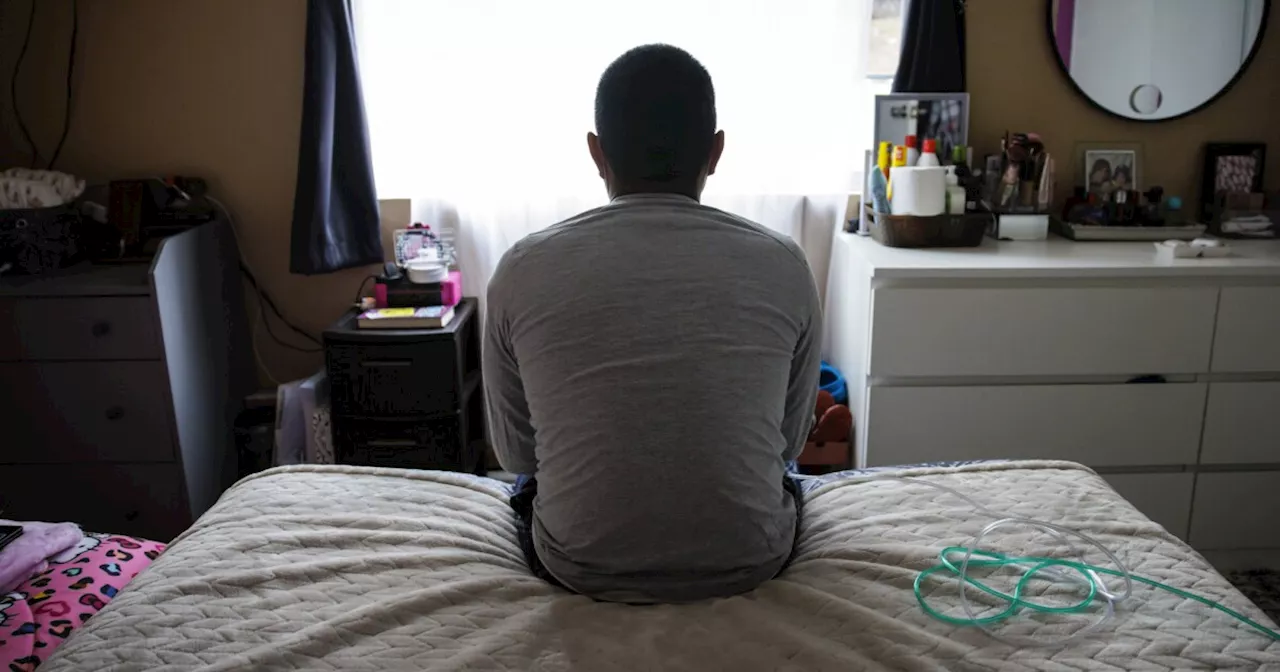
Two separate letters seeking advice reveal the complexities of family relationships, particularly the difficult dynamics between in-laws and adult children. The first letter comes from a mother who expresses distress over her daughter-in-law’s refusal to accept her as family. The second letter is from a woman disheartened by her husband’s lack of support against their daughters’ disrespectful behavior. Both women are searching for guidance on how to address these painful situations.
Strained Ties with a Daughter-in-Law
A woman, referred to as Boy Momma, has been experiencing increasing tension with her daughter-in-law, who has been married to her son for six years. Despite her efforts to welcome her, the daughter-in-law remains distant and uncommunicative. This has led to significant heartache for Boy Momma and her husband, who feel ignored and unappreciated.
In her letter, Boy Momma shares that their attempts to bond have been met with rejection. When they refer to her as their daughter, she firmly states, “No, thank you. I already have a mom and dad.” Such remarks have not only hurt their feelings but also raised concerns about their son’s happiness in the marriage.
According to advice columnist Annie Lane, the key for Boy Momma is to continue being kind without seeking approval from her daughter-in-law. Lane suggests maintaining a pleasant demeanor when interacting with her while focusing on her relationship with her son. She emphasizes that it is ultimately up to him to address any issues regarding his wife’s behavior.
Enduring Disrespect from Adult Children
In another poignant letter, a woman identified as Just Over It describes her frustration after decades of being the primary caregiver for her two daughters. She feels unappreciated and belittled, while her husband, Gabe, fails to support her against their children’s disrespectful treatment. This longstanding issue has left her feeling like a second-class citizen in her own family.
Just Over It articulates her feelings of exhaustion from years of hard work and emotional labor that have gone unrecognized. In her view, it is time for her to reclaim her self-worth and establish boundaries with her daughters. Lane advises her to disengage from negative interactions and to prioritize her own well-being.
Both letters highlight the emotional struggles many people face in family relationships. They underscore the need for open communication, mutual respect, and the importance of seeking support, such as from a therapist, to navigate these complex dynamics. By setting boundaries and focusing on self-care, individuals can work towards healthier family interactions and alleviate the emotional burdens they carry.
For those facing similar challenges, reaching out for professional guidance can provide valuable tools to cope with difficult family situations and foster more positive relationships.
For further insights and advice, readers can follow Annie Lane on social media or visit her website for additional resources.