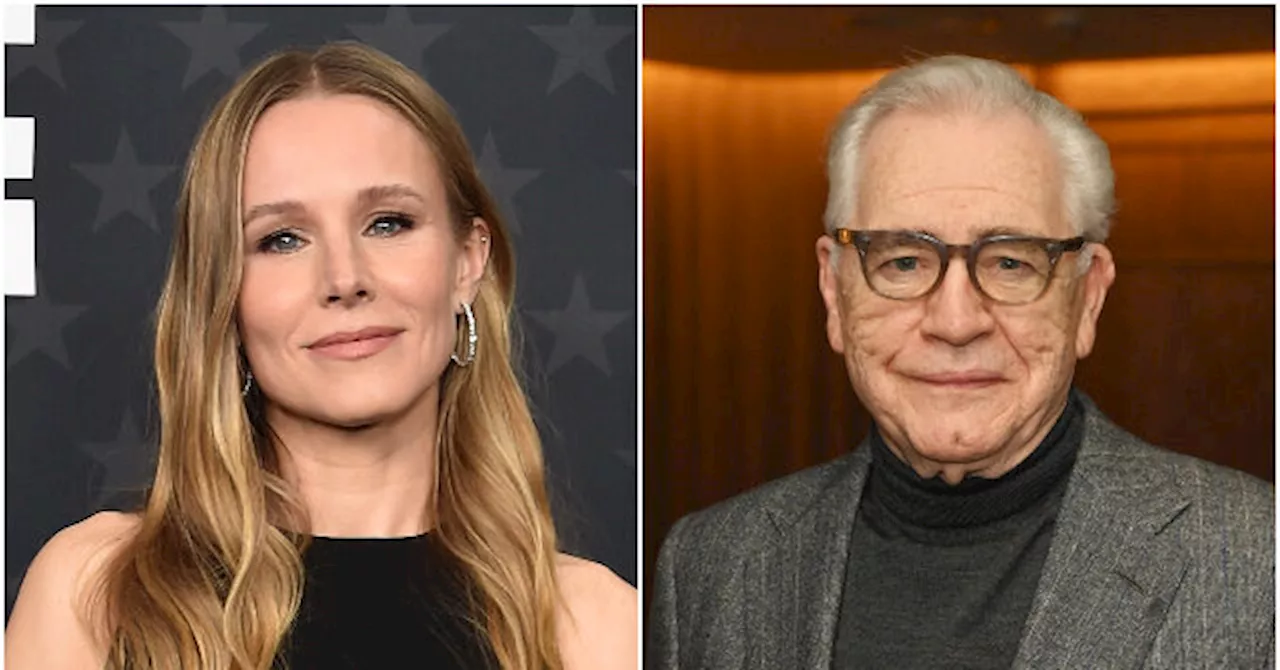
UPDATE: Hollywood actors including Kristen Bell, Brian Cox, and Malcolm McDowell are expressing shock and dismay after discovering their voice recordings from a 2010 project have been repurposed for a new religious podcast series by Fox News. This unexpected revelation has ignited a wave of concern regarding the unauthorized use of their work.
The actors, who also include Sean Astin, John Rhys-Davies, Julia Ormond, Stacy Keach, and Michael York, were blindsided upon learning that their contributions were being distributed as a 52-part podcast under the Fox Faith banner. Many took to social media to voice their disappointment, especially given the political and ideological contrasts between the actors and the network.
Representatives for the actors have confirmed that they were not notified about the repackaging of their voice work until the podcast was officially announced this week. One representative revealed that they were contacted by Fox Faith just a day prior to the announcement, seeking the actor’s promotion of the series without disclosing the project’s original 2010 production date.
Compounding the controversy, reports indicate that a producer from the Fox Faith series advised one actor to refrain from mentioning the original project date to create a more contemporary perception of the podcast. This raises serious concerns about transparency and the potential misrepresentation of the actors’ beliefs.
While the actors are not opposed to the religious content itself, they are primarily upset by the lack of prior consent regarding the use of their voices. They feel this could mislead audiences about their personal beliefs and affiliations, leading to potential misconceptions about their public image.
The original recordings belong to Gulfstream Studios, granting them the legal right to repurpose the content. However, the ethical implications of this situation have sparked significant debate within the entertainment industry about the importance of communication and consent when reusing older creative works.
This incident underscores the evolving challenges of media and content distribution, particularly as older projects are easily repackaged for new audiences. The actors involved are not questioning the legality of the actions taken by Gulfstream Studios, but the absence of communication regarding their work’s new context is their primary concern.
As audiences increasingly engage with media online, the lack of clear communication and consent can lead to rapid public relations issues. This situation serves as a cautionary reminder for creators and rights holders about the ethical considerations surrounding the reuse of intellectual property.
The unfolding controversy highlights the need for greater transparency within the entertainment industry, particularly when it comes to how older material is utilized in ways that may not align with the original creators’ intentions. As social media amplifies public discourse, the importance of ensuring that artists’ voices are respected and accurately represented has never been more critical.