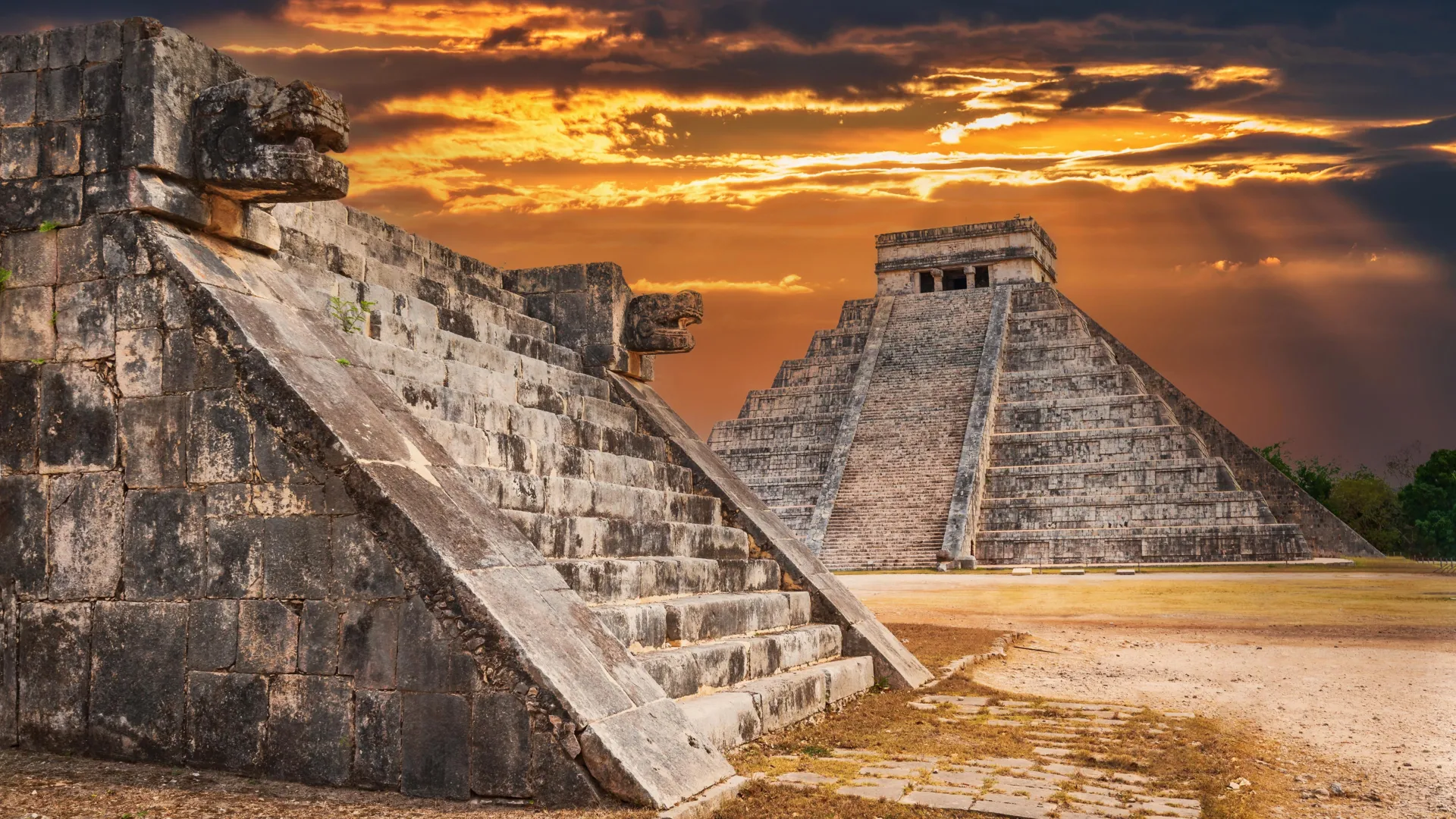
UPDATE: New research from the University of California – Santa Barbara just confirmed that the collapse of Classic Maya civilization was driven by a mix of factors beyond mere drought. This urgent study, published in the Proceedings of the National Academy of Sciences, highlights the roles of climate shifts, conflict, and economic pressures that intertwined to shape urban life in ancient Maya cities.
The key findings reveal that urban growth was initially fueled by agricultural advancements and population density, which made city living attractive for rural farmers. However, as environmental conditions improved in rural areas, people began abandoning cities in search of greater autonomy and better living conditions. This significant shift challenges the long-held belief that drought was the primary cause of the Maya decline.
Research led by archaeologist Douglas Kennett indicates that urbanization in the Classic Maya Lowlands was a complex phenomenon. “We determined that the rise and expansion of Classic Maya cities resulted from the interaction of climate downturns, intergroup conflict, and strong economies of scale in agriculture,” Kennett stated. These conditions fostered systemic inequality and patron-client relationships, which ultimately led to urban centers becoming less desirable.
The research team, having collected archaeological data since 2012, utilized advanced computational modeling to analyze population changes, conflict patterns, and agricultural investments. “We capitalized on new high-resolution climate records that allowed us to better understand these relationships,” Kennett explained.
Findings from this study assert that people began to leave urban areas when the costs of city life outweighed its benefits, particularly as climate conditions improved and rural living became more viable. This surprising revelation suggests that urban abandonment can occur even amid favorable environmental changes.
Kennett’s research compiles various theories regarding urban rise and fall into a unified model, emphasizing the impact of environmental pressures, warfare, and economic dynamics over time. “The biggest surprise for me was that the abandonment of cities occurred under improving climatic conditions,” he noted, reinforcing that the narrative surrounding the Classic Maya cities is far more nuanced than previously thought.
This research not only sheds light on the ancient Maya but also provides insights into urban evolution, offering parallels to modern urbanization trends. As cities today grapple with challenges like economic pressures, health crises, and environmental changes, understanding the historical context of urban growth and decline becomes increasingly relevant.
As this story unfolds, experts urge the public to consider how these historical lessons apply to current urban dynamics. The implications of this research resonate today, reminding us that the forces driving human settlement and migration are multifaceted and ever-changing.
Keep an eye on further developments in this area, as scholars continue to explore the intricate factors influencing urban environments throughout history. The findings from this study could reshape our understanding of how human societies adapt and respond to their surroundings, both in the past and present.