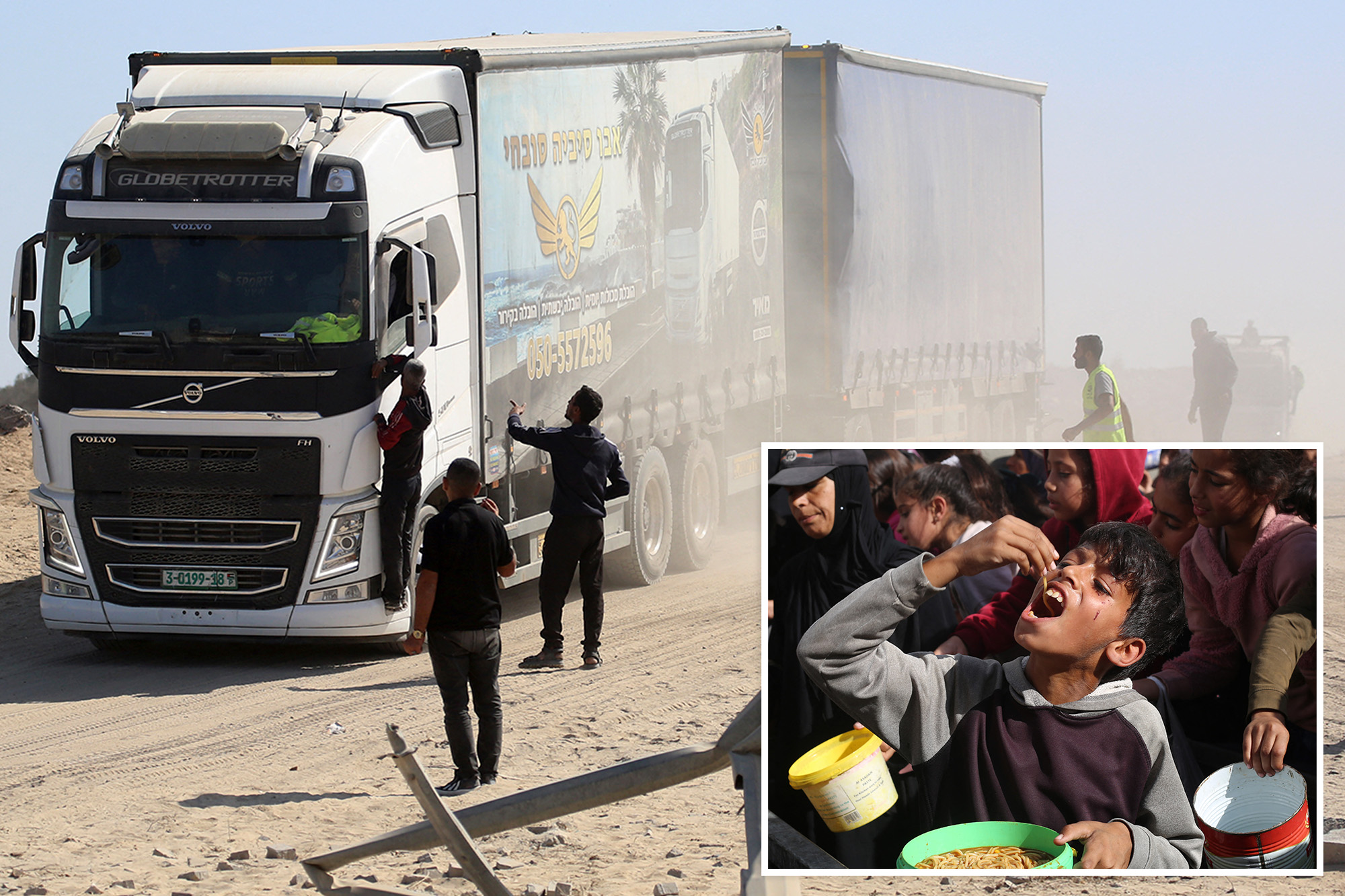
The Gaza Strip has received approximately 16,600 aid trucks since a U.S.-brokered ceasefire between Israel and Hamas took effect on October 10, 2023. This significant flow of humanitarian assistance was confirmed by the Israeli Defense Ministry’s Coordinator of Government Activities in the Territories (COGAT) on Wednesday.
The majority of these trucks, around 70%, were loaded with food supplies, totaling nearly 370,000 tons. To address the urgent needs of the population, nearly 200 makeshift kitchens are currently operational, producing 1.5 million meals per day for residents in Gaza, according to COGAT.
Winter Preparations and Ongoing Support
In light of the approaching winter months, COGAT has actively collaborated with the international community to enhance the aid response. Over 250,000 tarpaulins and tents have been delivered to Gaza to provide shelter for those in need. Additionally, fuel supplies are entering the region continuously, which supports essential sanitation efforts.
On Monday, nearly 300 Gazans in need of medical treatment, along with their caregivers and individuals holding dual citizenship or valid visas, exited Gaza through the Kerem Shalom Crossing. They then proceeded to the Allenby Bridge Crossing into Jordan before continuing their journey to third countries. These departures were facilitated following requests from foreign governments and the United Nations, with all individuals receiving approval from the Israeli security establishment.
COGAT emphasized the importance of continued international cooperation, stating, “We urge countries and organizations to continue coordinating their efforts and to provide the necessary support and medical care.” This call highlights the ongoing humanitarian needs within the region as aid efforts expand in response to the complex situation in Gaza.
As the number of aid deliveries continues to rise, the situation remains critical for many Gazans, who depend on this support for their daily survival. The international community’s coordinated response is essential in addressing the humanitarian crisis resulting from the prolonged conflict.