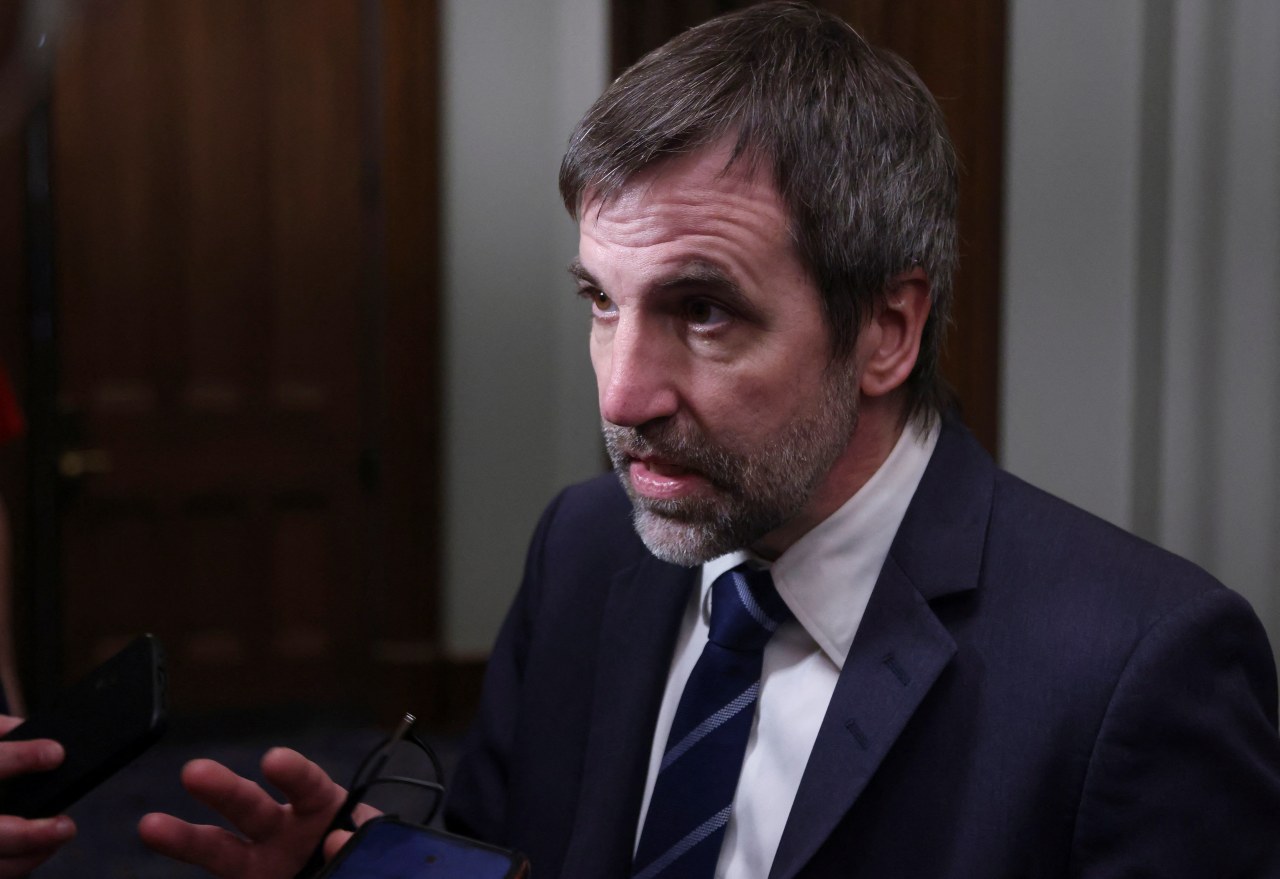
Prime Minister Mark Carney of Canada has encountered a significant political challenge following the resignation of a cabinet minister. The departure comes in the wake of a controversial agreement with the energy-rich province of Alberta that suspends certain restrictions on carbon emissions from oil and gas production.
The cabinet member, whose name has not been disclosed, announced their resignation shortly after the deal was finalized on October 15, 2023. This agreement allows Alberta to temporarily ease regulations aimed at reducing emissions, a move that has drawn criticism from environmental advocates and some within Carney’s own party. The decision to relax these rules is seen as a departure from Canada’s commitment to combat climate change, raising concerns about the government’s long-term environmental strategy.
In a statement, the resigning minister expressed dissatisfaction with the direction of the government’s climate policy. They emphasized the importance of maintaining stringent measures to address the climate crisis, stating that the agreement undermines Canada’s goals to achieve net-zero emissions by 2050. The minister’s resignation marks a pivotal moment for Carney, who has faced increasing scrutiny over his administration’s environmental policies since taking office in July 2021.
The deal with Alberta, which is known for its extensive oil sands reserves, reflects the ongoing tension between economic interests and environmental responsibilities. While the province argues that easing restrictions will promote economic growth and job creation, critics warn that it could have detrimental effects on the environment and public health.
Political analysts suggest that this incident may signal a larger divide within Carney’s administration regarding climate action. The resignation could embolden opponents of the agreement, potentially leading to further dissent within the cabinet.
Carney’s government has been under pressure to balance economic recovery with environmental sustainability, particularly in light of Canada’s commitments under the Paris Agreement. The prime minister is now faced with the challenge of not only addressing internal party dynamics but also restoring public confidence in Canada’s climate policy.
As the situation unfolds, the implications of this cabinet shake-up could resonate beyond Canada’s borders, influencing international perceptions of the country’s commitment to climate change mitigation. With climate action becoming an increasingly vital issue on the global stage, the decisions made by leaders like Carney will have lasting impacts, both domestically and internationally.
The coming days will be crucial for Carney as he navigates this political landscape, seeking to reaffirm his commitment to climate goals while responding to the economic needs of provinces like Alberta.