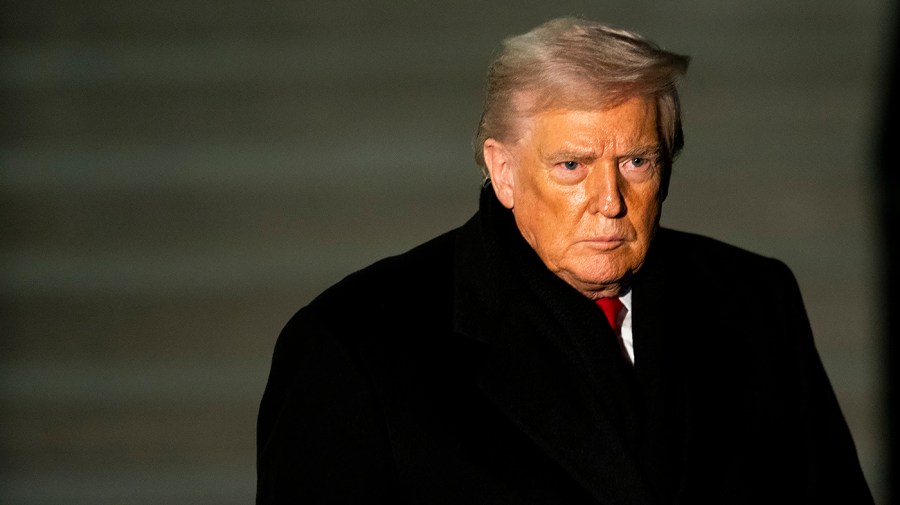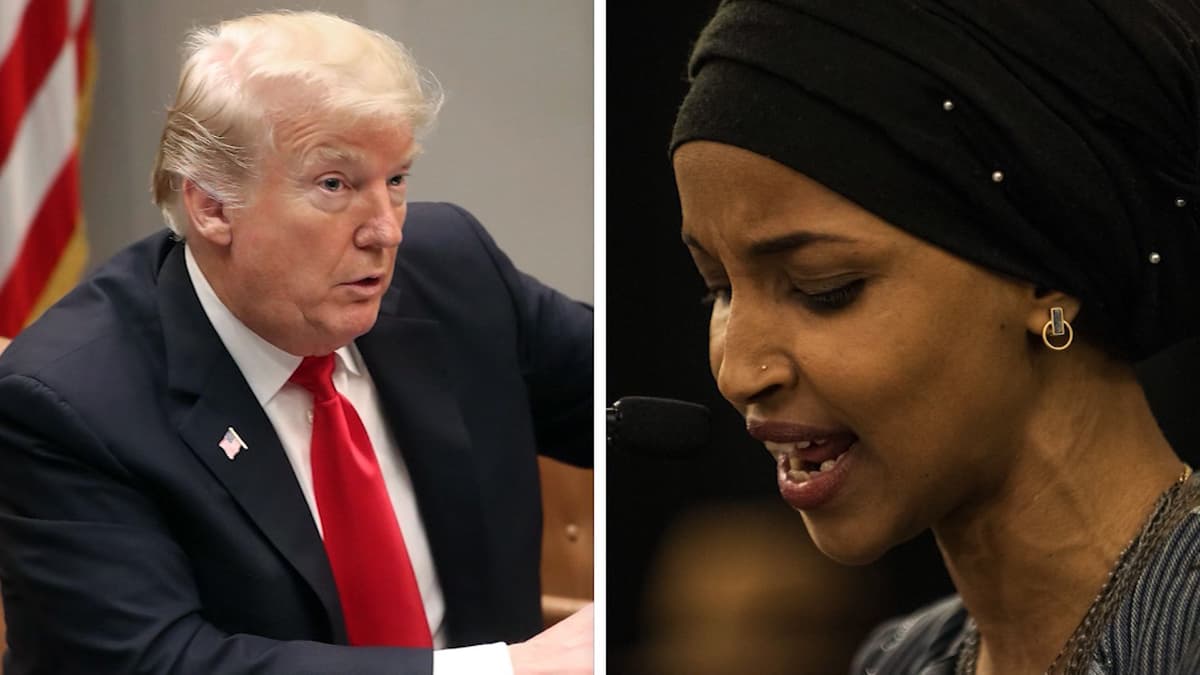
In a controversial Thanksgiving message released late on November 23, 2023, President Donald Trump criticized Minnesota Governor Tim Walz and Congresswoman Ilhan Omar, while attacking the state’s sizable Somali community. The White House subsequently described Trump’s remarks as “one of the most important messages ever released by President Trump,” urging followers to read the entire statement.
Trump’s message painted a bleak picture of Minnesota, claiming that “hundreds of thousands of refugees from Somalia are completely taking over” the state. He accused Somali gangs of prowling the streets, instilling fear among residents, and labeled Governor Walz as “the seriously retarded Governor of Minnesota,” alleging he does nothing due to “fear, incompetence, or both.” The president’s rhetoric also targeted Omar, whom he described as “the worst ‘Congressman/woman’ in our Country,” making unfounded claims regarding her immigration status.
The president claimed that the overall migrant population in the United States exceeds 53 million and asserted that the “refugee burden” has led to various societal issues, including crime and urban decay. He stated, “This refugee burden is the leading cause of social dysfunction in America,” a claim that lacks supporting evidence.
Minnesota is home to approximately 80,000 Somalis, the largest Somali population in the United States, according to data from Minnesota Compass. The community has its roots in the early 1990s when Minnesota’s Lutheran Church assisted tens of thousands of Somalis fleeing the violence in their homeland. While some perceive the Somali community as insular, it is essential to note that crime rates among Somalis in Minnesota do not significantly differ from those of other communities.
On the heels of Trump’s remarks, he directed officials to review all green cards issued to individuals from Somalia and 18 additional countries, asserting that Somali gangs are “terrorizing” the citizenry. His statements come just days after he announced plans to end Temporary Protected Status (TPS) for Somali residents in Minnesota, a move that could affect thousands of individuals currently protected under this immigration status.
Homeland Security Secretary Kristi Noem acknowledged the challenge of implementing Trump’s orders, stating there is no clear timeline for terminating TPS for Somalis. Omar contended that while the elimination of TPS would be offensive, it would not significantly impact the Somali population in Minnesota.
Community leaders and advocacy groups representing the Somali population have expressed outrage over Trump’s divisive comments. The backlash includes condemnation from Minnesota legislators and representatives from various organizations. Conservative activist Christopher Rufo publicly endorsed the president’s position, asserting that reviewing asylum and citizenship applications for fraud is necessary.
Rufo’s stance aligns with his recent writings, in which he alleged that funds from fraudulent schemes in Minnesota have been channeled to Al-Shabaab, a designated terrorist group by the U.S. State Department. Although Al-Shabaab predominantly focuses on the Somali civil war, the idea that young men from Minnesota have joined the militia raises concerns about radicalization.
In a recent campaign, young Somali-American state senator Omar Fateh made an unsuccessful bid for the mayoralty of Minneapolis. His campaign drew condemnation from anti-immigrant factions, illustrating the ongoing tensions surrounding immigration in Minnesota.
The discourse surrounding Trump’s Thanksgiving statement reflects broader national debates on immigration and community dynamics, emphasizing the need for dialogue and understanding amidst rising tensions.