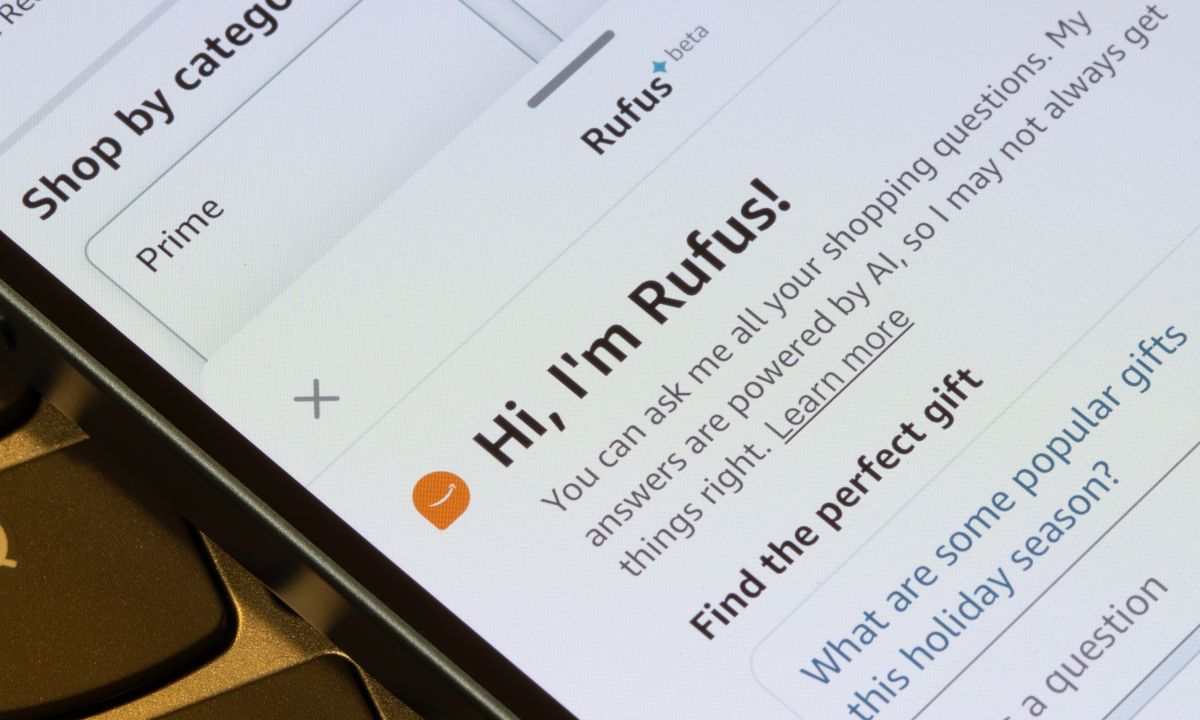
Artificial intelligence has significantly influenced consumer habits this holiday season, contributing to a record-setting online spending of nearly $12 billion during Black Friday. According to data from Adobe Analytics, this figure represents a 9% increase compared to the previous year, marking a robust start to the holiday shopping season.
AI-powered shopping tools, such as Walmart’s Sparky and Amazon’s Rufus, have transformed the online retail landscape. Traffic to retail sites in the United States surged by 805% from last year, demonstrating the growing impact of these technologies. “Consumers are using new tools to get to what they need faster,” stated Suzy Davidkhanian, an analyst at eMarketer. She noted that large language models (LLMs) enhance the shopping experience, making the often-stressful gift-giving process feel more streamlined and efficient.
The National Retail Federation anticipates that total spending during November and December will exceed $1 trillion, with a projected year-over-year increase of between 3.7% and 4.2%. While this forecast would typically inspire optimism, the current economic climate brings a sense of caution. Recent research from PYMNTS indicates that 26% of consumers struggled to meet their bills in September, the highest rate recorded in two years.
As consumer behavior shifts, value remains a critical factor driving purchasing decisions. Walmart’s latest quarterly earnings highlighted that shoppers are increasingly turning to digital platforms to find affordable options. PYMNTS remarked on the uncertainty within the retail sector, stating that businesses must adapt to the evolving landscape shaped by persistent supply chain issues and fluctuating economic conditions.
Looking ahead to the holiday season, PYMNTS explored potential consumer trends using OpenAI’s ChatGPT. The AI predicted that online shopping channels would dominate holiday spending, bolstered by AI-enhanced search functions, retailer chat assistants, and personalized offers. Despite this, the model also indicated that customers would likely frequent physical stores for activities such as apparel try-ons, electronics demonstrations, and last-minute gift purchases.
This dual approach reflects findings from PYMNTS, which noted that while consumers often browse online, they still prefer to visit stores to finalize their purchases.
As the holiday shopping season unfolds, the integration of artificial intelligence in retail continues to reshape consumer experiences, leading to unprecedented spending and engagement. The evolving dynamics of eCommerce highlight both the opportunities and challenges retailers face in a rapidly changing market.