The cost of commuting in the Bay Area will rise significantly starting January 1, 2026. This increase is due to higher tolls on state-owned bridges and fare hikes for the Bay Area Rapid Transit (BART) system. The adjustments are a response to ongoing budgetary challenges and infrastructure needs affecting the region’s transportation networks.
Increased Tolls on State-Owned Bridges
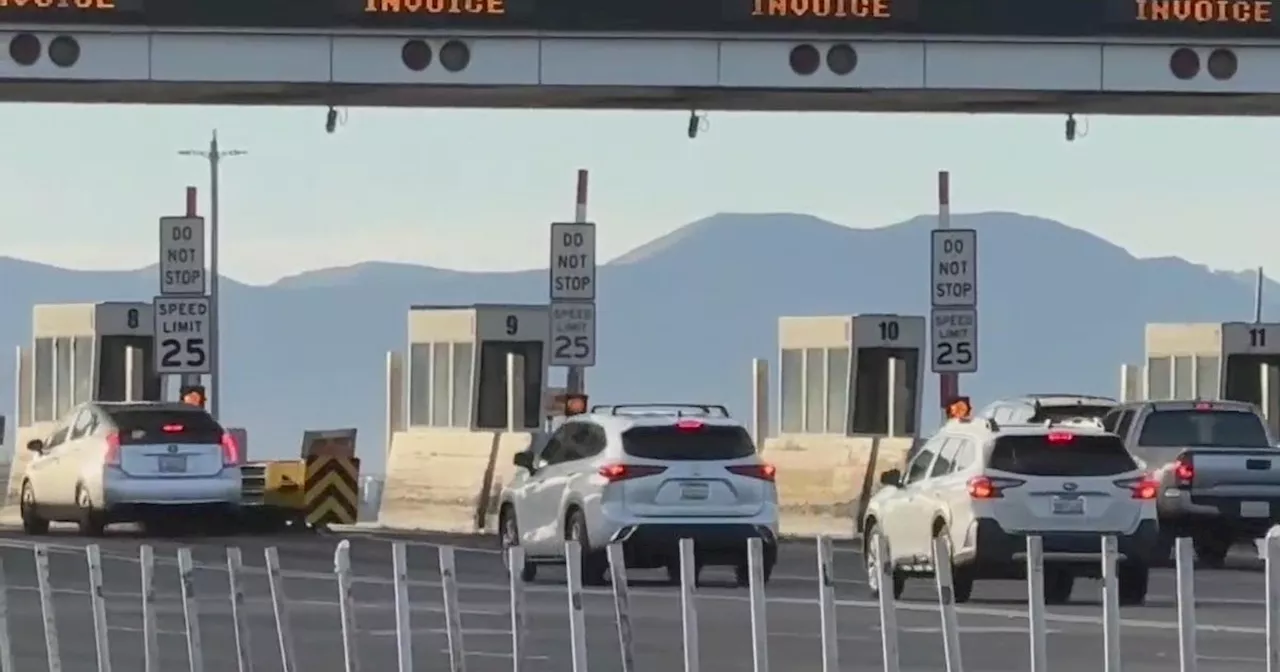
Effective January 1, 2026, tolls on all seven state-owned toll bridges in the Bay Area will increase by **$0.50**. This includes the Bay Bridge, Antioch, Benicia, Carquinez, Dumbarton, Richmond-San Rafael, and San Mateo bridges. For regular two-axle vehicles, the toll will rise from **$8** to **$8.50**. Larger vehicles, such as freight trucks, will also see increased tolls.
The **Bay Area Toll Authority (BATA)** confirmed that the additional revenue will be allocated solely for the maintenance, rehabilitation, and operation of the bridges, as well as servicing debt associated with BATA bond issues. This toll hike, approved in 2024, is the first in a series of increases planned to occur each January until 2030. To promote the use of FasTrak, drivers using license plate accounts will face a premium charge starting in **2027**.
In conjunction with the toll increases, new carpool regulations will also be implemented. Starting January, a three-person occupancy requirement will be necessary to qualify for discounted tolls during peak weekday hours. On the Bay Bridge, drivers must occupy a dedicated carpool lane and utilize a standard FasTrak tag or a FasTrak Flex tag set to the ‘3+’ position to benefit from these discounts.
BART Fare Adjustments Amid Budget Deficits
Alongside the toll increases, BART announced a fare hike of **6.2%**, effective on the same day. This adjustment will raise the average fare by **$0.30**, bringing it from **$4.88** to **$5.18**. Specific trips will see varying increases; for example, the fare for a short trip between Downtown Berkeley and 19th Street in Oakland will rise by **$0.15**, while the fare for a **45-mile** journey from Antioch to Montgomery station in San Francisco will increase by **$0.55**.
BART officials have attributed these fare increases to an anticipated budget deficit of **$376 million** for the upcoming fiscal year. BART Board President **Mark Foley** stated, “As we ask the region for greater investments and support for BART while also making internal cuts to reduce costs, we also must ask our riders to contribute more towards their trips.” The agency has balanced its current budget through **$35 million** in cuts and ongoing cost controls. The upcoming budget aims to achieve further savings and deferrals totaling **$108 million**, which will maintain current service levels.
In addition to fare increases, parking rates at BART stations will also rise. Daily parking fees will increase by **$0.40** at most stations, while parking rates at high-demand stations such as Glen Park, MacArthur, Rockridge, and Walnut Creek will increase by **30%**.
These changes come at a time when voters in five Bay Area counties are set to consider a transportation sales tax in **2026**, which aims to support transit, including BART. As the region prepares for these increased costs, commuters will need to adjust their budgets accordingly.