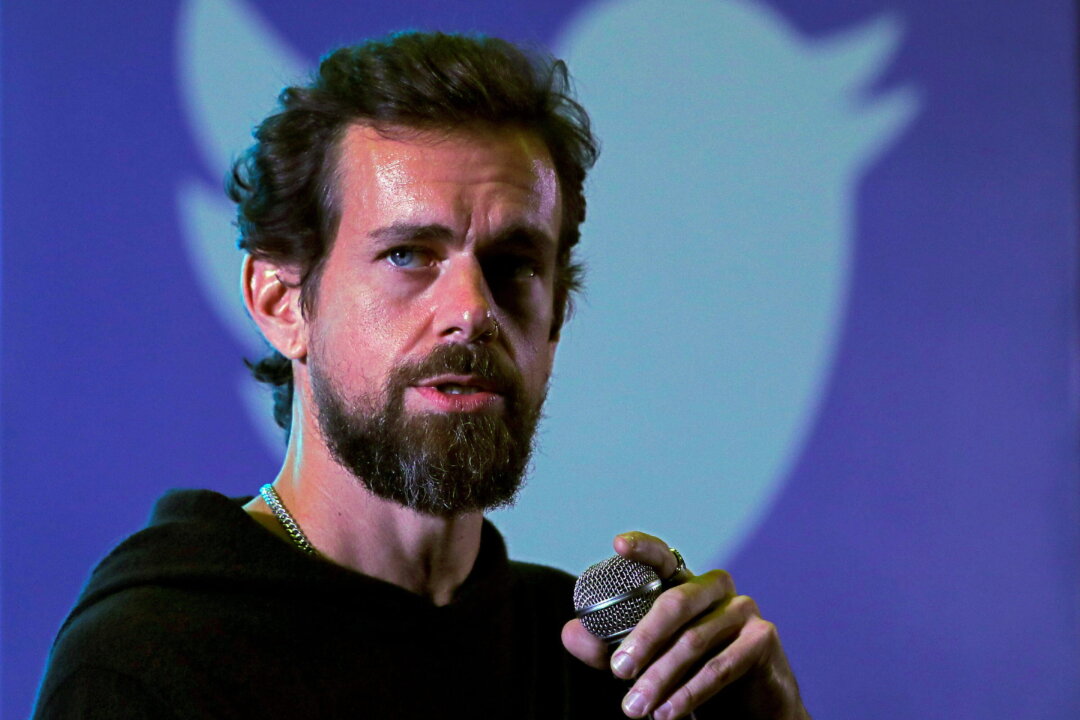
California-based financial services firm Block has announced a significant reduction in its workforce, cutting over 4,000 jobs due to the increased integration of artificial intelligence tools. In a post on X, formerly known as Twitter, Jack Dorsey, co-founder and chairman of the company, revealed on February 26, 2024, that the workforce will shrink from more than 10,000 employees to just under 6,000.
Dorsey emphasized that this decision does not stem from financial difficulties. “We’re not making this decision because we’re in trouble. Our business is strong. Gross profit continues to grow, we continue to serve more and more customers, and profitability is improving,” he stated. Instead, the shift is a response to the evolving landscape of work driven by technological advancements.
AI Integration Drives Structural Changes
The move to reduce staff is closely tied to the company’s adoption of AI technologies. Dorsey noted that the intelligence tools being developed and utilized at Block, combined with smaller, more agile teams, are fundamentally changing the operations and management of the company. He elaborated that this transformation is not just a trend but an accelerating shift in how businesses will function in the future.
“This is enabling a new way of working,” Dorsey explained, indicating that the efficiencies gained through AI could lead to a more streamlined approach to operations and decision-making. The implications of this change raise questions about the future of employment in the tech and finance sectors, particularly as companies increasingly rely on automation.
Impact on Employees and Industry
The announcement has significant implications for employees, as over 4,000 individuals will either be laid off or enter into consultations regarding their future at the company. This workforce reduction reflects a broader trend in various industries, where automation and AI are reshaping job roles and expectations.
As AI tools become more sophisticated, companies like Block are finding that they can operate more efficiently with fewer employees. This trend may force other organizations to evaluate their own workforce structures and consider similar shifts.
In summary, Block’s decision to reduce its staff is a clear indication of the changing dynamics in the workplace spurred by advancements in technology. While the company maintains that it is in a strong financial position, the integration of AI has prompted a reevaluation of its human resources needs and operational strategies. The situation at Block serves as a case study for other businesses navigating the complexities of modern workforce management.