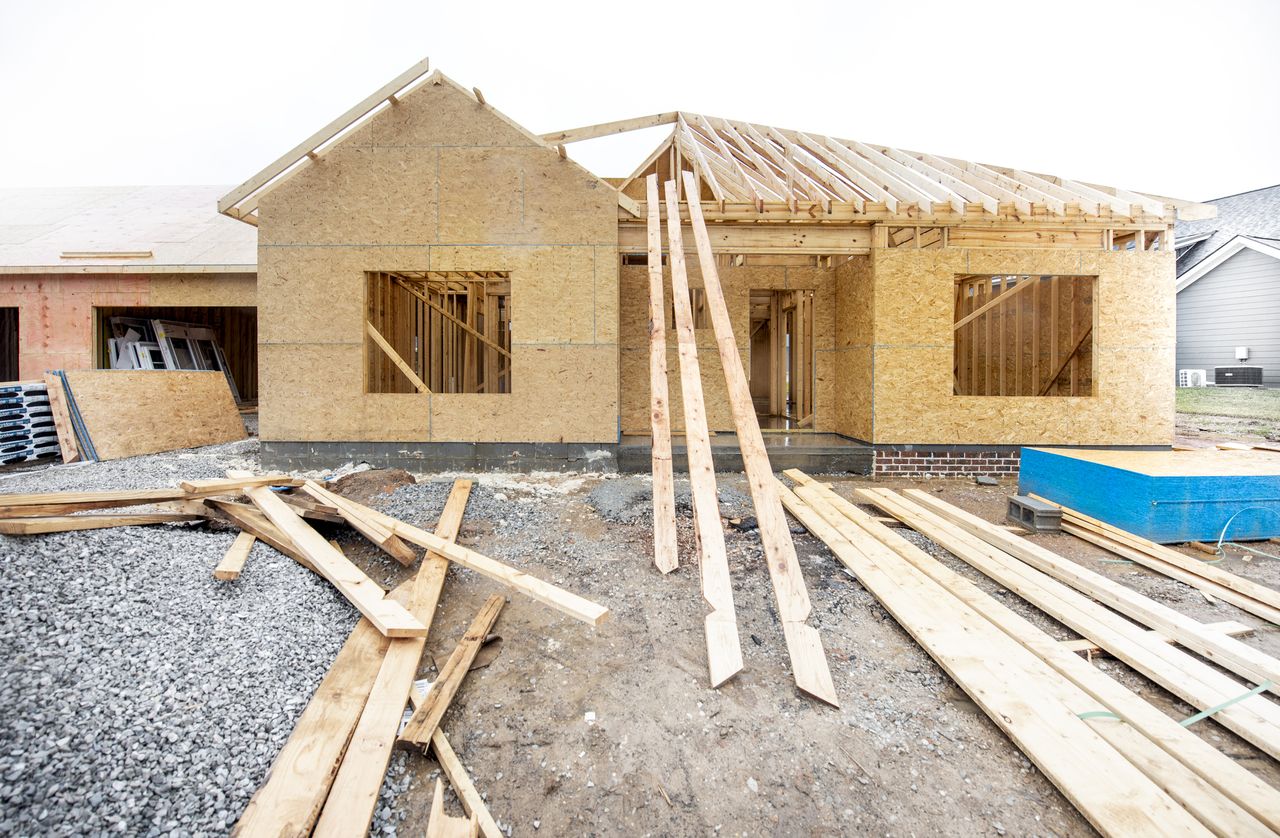
Homebuyers facing escalating mortgage rates are now encountering an array of attractive offers from builders, including rates as low as 4% when market rates hover around 6% or 7%. These incentives also include substantial closing cost credits and complimentary upgrades, all designed to entice buyers in a challenging financial landscape. While these deals may appear beneficial, potential buyers should understand the underlying structures to avoid unforeseen costs in the long run.
Understanding Builder Incentives
Builders are strategically using financial incentives instead of direct price reductions. This approach helps maintain property values and minimizes the impact on appraisals. With many builders holding completed inventory in a market where affordability is crucial, incentives such as mortgage rate buydowns and closing cost credits allow them to showcase lower monthly payments without altering the home’s base price.
For buyers, the incentives may seem advantageous, but it is essential to delve deeper into their composition. Common builder incentives typically include:
– **Temporary and Permanent Rate Buydowns**: A temporary buydown lowers the interest rate for the first one to three years, while a permanent buydown reduces the rate for the entire loan duration, usually involving an upfront payment.
– **Closing Cost Credits**: Builders may offer credits to cover various fees, which can significantly reduce the cash required at closing, a major benefit for first-time buyers.
– **Free Upgrades**: Instead of lowering prices, builders might provide premium features, such as upgraded flooring and appliances, enhancing the home’s appeal without affecting monthly payments.
– **Preferred Lender Requirements**: Many of the most attractive incentives are contingent on using the builder’s preferred lender, which can limit buyer options and flexibility.
Evaluating Potential Pitfalls
While these incentives can be appealing, they often come with hidden costs. Buyers should be cautious of several factors:
– **Inflated Home Prices**: The costs associated with rate buydowns or credits may be reflected in the overall home price, meaning buyers could end up financing a higher balance.
– **Limited Lender Choice**: Preferred lenders may not always offer the most competitive rates and terms, potentially leading to higher costs in the long run.
– **Short-Term Buydowns**: Temporary rate buydowns can create manageable payments initially, but buyers must prepare for potential increases once the buydown period ends.
– **Negotiation Constraints**: Builders may use incentives as a negotiation tool, which could limit opportunities to negotiate a lower purchase price.
Despite these considerations, builder incentives can still be advantageous under certain circumstances. Buyers planning to refinance when rates decrease or those who need to conserve cash at closing may find these offers helpful. In markets where existing homes are scarce or overpriced, new construction with incentives can become a more attractive option.
However, buyers should remain vigilant. Deals that hinge on quick refinancing or that present pricing discrepancies compared to similar homes can indicate potential issues. It is essential to thoroughly evaluate how these incentives may affect resale value and the overall cost of ownership.
To make informed decisions, buyers should focus on the total cost of the deal, not just the initial appeal. Comparing annual percentage rates (APR) rather than just the advertised interest rates provides a clearer picture of the true cost, including fees associated with buydowns. Seeking multiple lender quotes, even when considering a preferred lender, can offer leverage and context, allowing buyers to negotiate more effectively.
In conclusion, while builder mortgage incentives serve as a strategic response to rising rates, they require careful consideration. By understanding the terms and evaluating the total cost over time, buyers can navigate these offers more effectively and avoid unexpected financial burdens in the future.