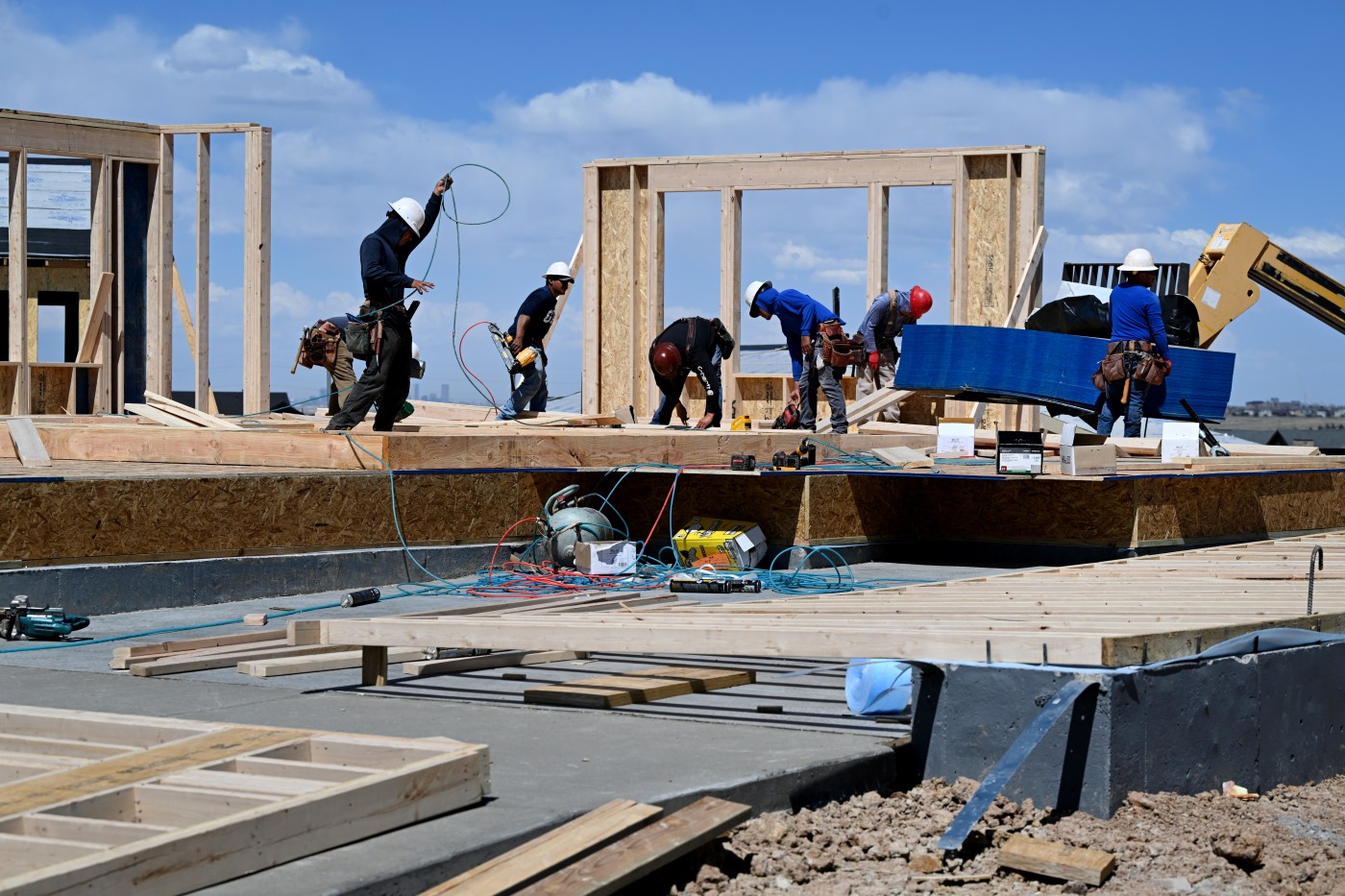
Colorado lawmakers, led by Governor Jared Polis, have introduced three new bills aimed at accelerating the construction of affordable housing across the state. Announced on March 6, 2024, these proposals are part of a wider legislative effort to address the persistent housing crisis that has left Colorado with a significant deficit in affordable units.
The state currently ranks second-worst in the United States for overall housing shortages, according to Rep. Andy Boesenecker, a Democrat from Fort Collins. During a press conference, he noted that the estimated housing shortfall in Colorado exceeds 100,000 units. “To put it in perspective, we need to build 34,000 homes annually just to prevent the deficit from worsening,” he stated, emphasizing the urgency of the situation.
New Legislation Aims to Foster Housing Development
One of the bills, which has yet to be formally introduced, proposes exempting vacant land designated for subsidized rental units from property taxes. This follows a similar law enacted two years ago that provided tax relief for land set aside for home construction. Another significant measure, known as House Bill 1001, would allow nonprofit organizations, school districts, and housing authorities to develop housing on their properties without needing local government approval.
This bill faced opposition in previous legislative sessions, particularly from local governments that viewed it as an encroachment on their authority. The third proposed bill aims to establish two financial programs to encourage development near transit stations. One initiative would allocate sales tax revenue collected near transit stops to fund projects enhancing public transportation access. The second would distribute $350 million in tax credits over six years starting in 2027, aimed at supporting affordable housing construction adjacent to transit hubs.
Supporters of these initiatives see them as critical to addressing both the housing crisis and environmental concerns. By increasing housing density near public transit, lawmakers hope to reduce greenhouse gas emissions and improve community access to transportation.
Collaborative Efforts with Local Governments
The new incentives are intended to foster cooperation between state and local governments, which have often clashed over land-use policies. “It’s refreshing to be working hand-in-hand with local governments,” said Rep. Steven Woodrow, who sponsors the incentives bill. He clarified, “This is not a mandate; it’s a collaborative effort that provides resources to local governments, encouraging responsible growth.”
The Colorado Municipal League, which advocates for local government interests, is currently evaluating the new bills. Executive Director Kevin Bommer expressed caution, stating that while municipalities are committed to increasing affordable housing, state-level policies must consider the unique needs of different communities. Bommer voiced concerns over HB-1001, arguing that it undermines local authority, which has traditionally guided balanced planning in Colorado.
As Colorado continues to grapple with its housing shortage, these proposals reflect a growing recognition of the need for innovative solutions and collaboration among various stakeholders. With lawmakers rallying around these initiatives, the state hopes to pave the way for a more sustainable and affordable housing landscape.