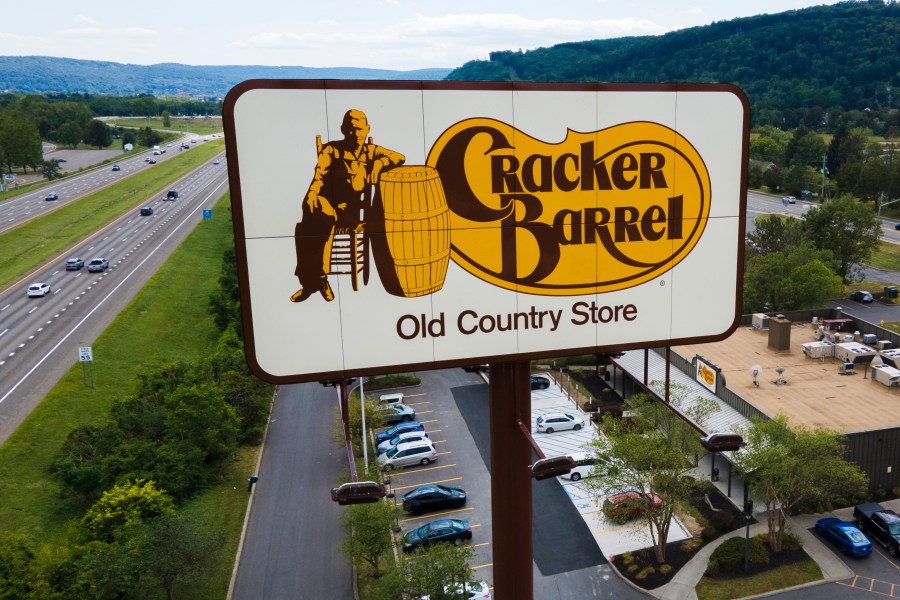
Cracker Barrel has implemented a new policy requiring employees to dine exclusively at its restaurants during work trips. According to an internal message sent to staff, employees must consume “all or the majority of” their meals at company locations, contingent upon their specific location and schedule.
This policy aims to promote the brand and ensure employees experience the offerings provided by Cracker Barrel. The directive emphasizes that staff members are encouraged to choose the restaurant chain over other dining options while traveling for work-related purposes.
Details of the New Dining Policy
The internal communication outlines that employees should prioritize Cracker Barrel meals, effectively limiting their dining choices on work trips. This requirement raises questions about employee autonomy and the potential implications for those who may prefer alternative dining experiences. The policy has been met with mixed reactions among staff, with some expressing concern over the restriction on their meal choices.
The decision aligns with Cracker Barrel’s broader strategy to enhance brand loyalty among its workforce. By ensuring that employees engage with the menu offerings, the company seeks to create advocates for its products. Employees are also expected to provide feedback on their dining experiences, further contributing to the company’s understanding of customer preferences.
Implications for Employee Experience
The policy is part of a larger trend among companies that encourage employees to engage with their brands in more immersive ways. While it is designed to foster loyalty, it also places a degree of pressure on staff members to conform to corporate expectations during their personal time.
Critics argue that such mandates could impact employee satisfaction and morale, particularly those who may have dietary restrictions or preferences that are not accommodated by the Cracker Barrel menu. The requirement may also result in logistical challenges for employees traveling to locations where Cracker Barrel restaurants are not readily available.
As this policy takes effect, it will be important to monitor employee feedback and the overall impact on workplace culture. The balance between promoting brand loyalty and respecting individual employee choices will be crucial in determining the long-term success of this initiative.
In conclusion, Cracker Barrel’s new dining policy introduces a significant shift in how employees are expected to engage with the brand during work-related travel. While the intention is to strengthen connections between employees and the restaurant chain, the implications for personal choice and employee satisfaction remain to be seen.