As the winter of 2025 approaches, many American households face a significant rise in energy costs, prompting discussions about energy affordability as a critical issue. The expected household spending on electricity for heating is projected to increase by 10% this winter, surpassing $1,200. This situation follows a troubling trend linked to energy policies from both the current and previous administrations.
The political landscape is shifting as voters begin to hold the Trump administration accountable for energy decisions that have stemmed from the Biden administration and Democratic governors. This reaction is fueled by years of relatively stable energy prices, which have masked underlying economic challenges. Now, as demand for electricity surges, particularly from new data centers, and the era of cheap natural gas concludes, households are feeling the financial strain.
Rising Costs and Economic Pressures
Electricity rates have already climbed by 6.6% year-on-year as of June 2025, following an almost 30% increase from 2021 to 2024. Utilities have sought a staggering $29 billion rate increase in the first half of 2025, double the previous year’s request. The National Center for Energy Analytics highlights that these rising costs are partly due to subsidies for wind and solar energy, which distort market dynamics by artificially lowering prices.
Interestingly, a recent study suggests that the narrative linking data center demand to rising rates is misleading. The state of Virginia, which has seen a significant influx of data center construction in the past two years, continues to experience below-average price increases and maintains lower-than-average electricity rates. This indicates that other factors are at play.
In July, Congress passed the Big Beautiful Bill, which aims to address some of the market signal issues by accelerating the phase-out of certain renewable projects to the end of 2027. Yet, such legislative measures may not provide immediate relief for families facing tough choices this winter.
Calls for Long-Term Energy Solutions
While political leaders may find it advantageous to shift blame for energy challenges, there is a pressing need for sustainable policies. States like Indiana have enacted laws requiring utilities to demonstrate grid reliability before phasing out coal in favor of renewables. Similarly, Jeff Landry, the Republican governor of Louisiana, has launched comprehensive legislation aimed at reducing energy costs for consumers.
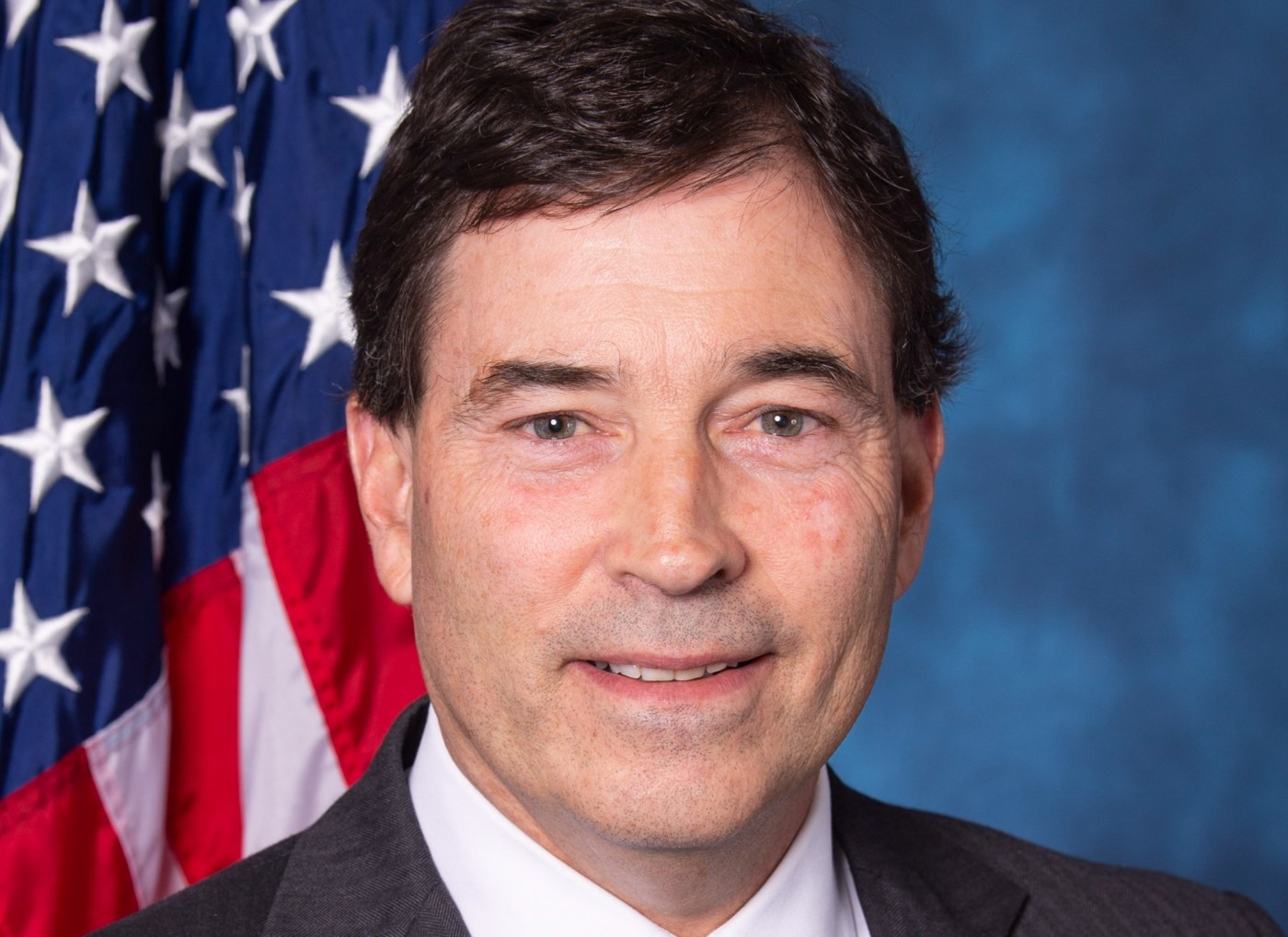
On the federal level, Congressman Troy Balderson is advocating for affordable and reliable clean energy to become the national standard. These initiatives highlight the importance of establishing permanent policies that can withstand changes in administration and political priorities.
Energy affordability is not merely a political talking point; it directly impacts the daily lives of citizens. As the winter season looms, individuals and families are grappling with rising costs and the need for effective energy solutions. The Trump administration has made strides by increasing energy production, including initiatives in Alaska and easing restrictions on federal land, but more comprehensive actions are required.
Ultimately, energy production and pricing should be a priority on the national agenda, transcending election cycles. As the nation looks towards 2026, there is hope for a future where families can enjoy lower costs while accessing reliable energy sources, allowing them to focus on their aspirations and daily lives.
William Murray, a former chief speechwriter for the Environmental Protection Agency, emphasizes the need for a collaborative approach to energy policy that benefits all Americans.