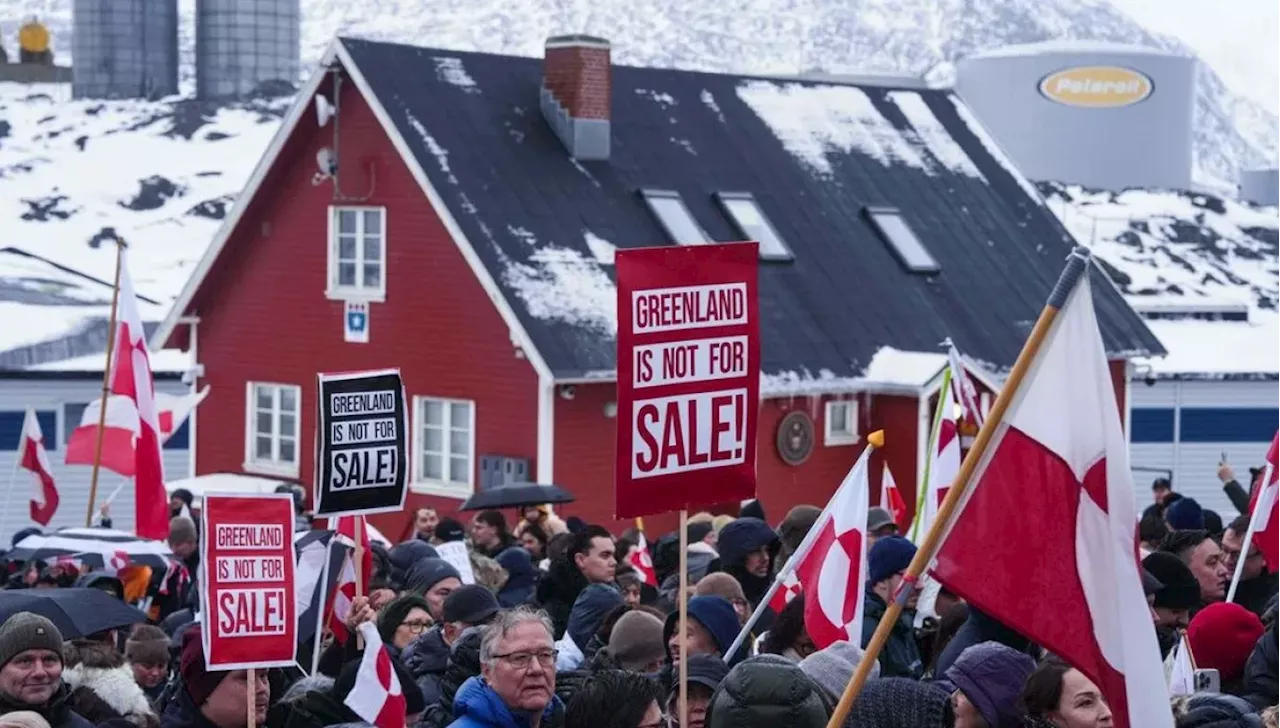
European leaders have rallied in a show of solidarity with Greenland following threats from Donald Trump to impose a 10% tariff on nations supporting the island’s semi-autonomy. The announcement, made on Sunday, has sparked concerns of a potential trade war, with significant implications for transatlantic relations.
On the same day, leaders from Denmark, Finland, the Netherlands, the United Kingdom, France, Germany, Norway, and Sweden issued a joint statement expressing their “full solidarity” with Greenland. They indicated a willingness to engage in discussions regarding security matters related to the Arctic region.
Potential Impact of Tariffs
The proposed tariffs are set to take effect on February 1, 2024, if Trump follows through with his plan. European leaders cautioned that such measures would “undermine transatlantic relations and risk a dangerous downward spiral.” They reaffirmed their commitment to upholding their sovereignty and maintaining a coordinated response to the tariff threats.
In a statement, the leaders emphasized their dedication to strengthening Arctic security as a shared concern among NATO members. They said, “Building on the process begun last week, we stand ready to engage in a dialogue based on the principles of sovereignty and territorial integrity that we stand firmly behind.”
The European Union is also considering its response, with reports suggesting an emergency meeting to discuss potential retaliatory measures. Key figures within the European Parliament have indicated that the bloc may consider imposing retaliatory tariffs exceeding $107 billion on the United States, alongside possible restrictions on U.S. companies operating in Europe.
Broader Implications for Transatlantic Relations
The situation represents a significant escalation in trade tensions between Europe and the United States. Leaders across Europe have voiced the need for a united front against what they describe as “commercial blackmail.” They argue that the tariffs linked to Greenland’s status are unacceptable and threaten the foundational principles of international relations.
As the situation unfolds, the ramifications of Trump’s tariff threat extend beyond economic concerns, potentially straining diplomatic ties within NATO. European allies, including Italy and other nations, have condemned the tariffs as misguided. The urgency of Europe’s response indicates a broader recognition of the need to defend their interests against unilateral trade actions.
The next steps from both sides will be closely watched, as the potential for a trade war looms large. The stakes are high not only for Greenland but also for the future of international trade relations and regional security in the Arctic.