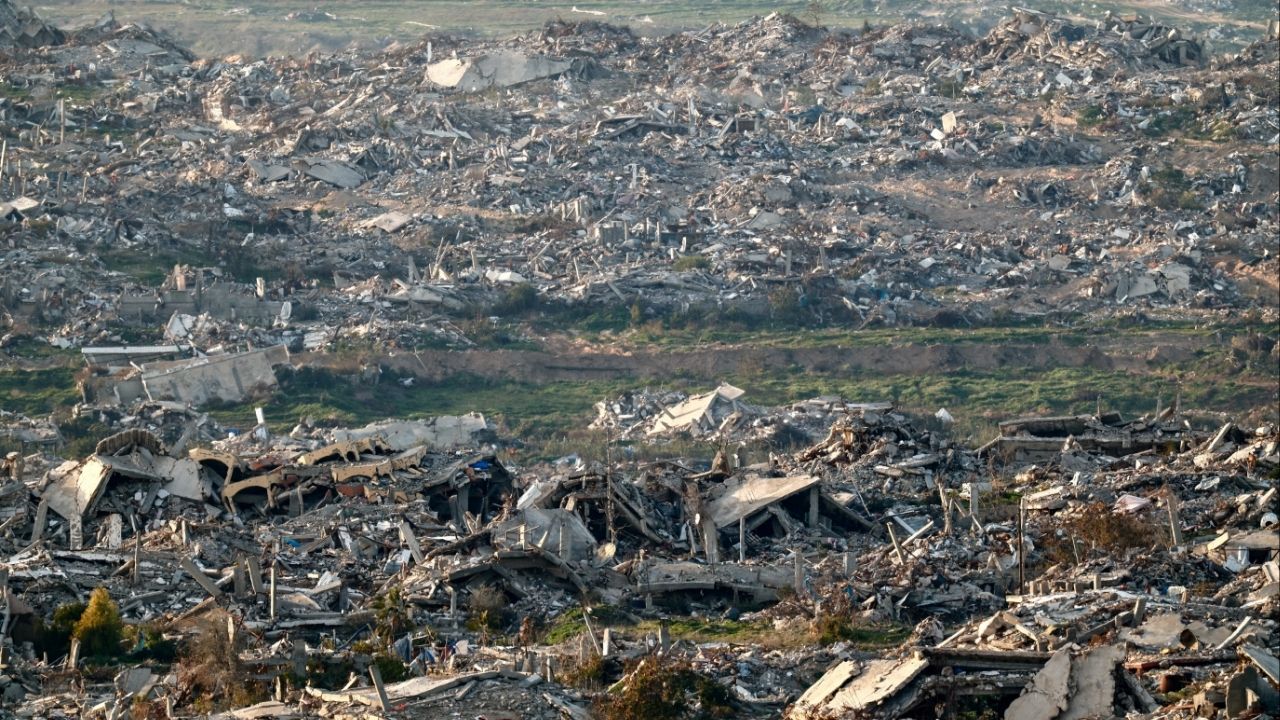
Israel’s economy expanded by 3.1% in 2025, according to official data released on Monday. This growth represents a significant rebound from the 1% growth rate recorded in 2024. The positive economic outlook is largely attributed to a fragile ceasefire in Gaza, which has created conditions conducive to further expansion. Economists anticipate that, should the ceasefire hold, growth could accelerate sharply in the coming year.
Investment played a crucial role in driving last year’s growth, with a notable 7.1% increase. Exports also saw a robust rise of 5.9%, accompanied by a modest increase in consumer spending. The surge in state expenditure during the two-year conflict, particularly in defense, further stimulated economic activity, as highlighted by economists.
“The economy is recovering,” stated Yonie Fanning, chief strategist at Mizrahi Tefahot Bank. “The indications for the first quarter of 2026 are also positive – you see that in the trade balance data, etc. So I think it sets the basis for continued recovery.”
Israel’s economic performance in 2025 outpaced the OECD average of 1.7% and the 2% growth rate in the United States. It also exceeded the Bank of Israel’s estimate of 2.8%. The central bank is projecting a significant growth spurt of 5.2% for this year.
Fanning elaborated, “What you’re seeing now is excess demand coming after the war, which is coupled with an increase in supply also, for example, in real estate. This is reflected in investment trends, and we can expect to see this continue into 2026.” Per capita growth for 2025 was calculated at 1.7%.
In the fourth quarter of 2025, Israel’s gross domestic product (GDP) grew at an annualized rate of 4.0% compared to the previous quarter, driven by a remarkable 33% increase in exports following a ceasefire with the Palestinian militant group Hamas in October.
“This is relatively robust, especially the business sector activity, which was significantly impacted by a strong contribution from net exports,” commented Jonathan Katz, Chief Economist at Leader Capital Markets. A recent poll conducted by Reuters had predicted an annualized growth rate of 2.6% for the final three months of 2025. Additionally, the third-quarter GDP was revised upward to an annualized increase of 12.7%, up from a previous estimate of 11.1%.
These GDP figures coincide with the announcement of Israel’s annual inflation rate, which eased to 1.8% in January 2026, the lowest level since June 2021, down from 2.6% in December 2025. This decline has increased expectations that the Bank of Israel may lower short-term interest rates at its next meeting, marking the third consecutive cut.
Following the inflation data, Fanning noted, “Most people in the market don’t expect it to stay on hold.” The Israeli shekel remained stable at 3.09 per dollar, close to a 30-year peak reached earlier in February. Meanwhile, Tel Aviv’s stock indices showed gains of up to 0.3%.
As Israel navigates its post-war economic landscape, the focus will remain on sustaining growth and addressing challenges arising from both domestic and international factors.