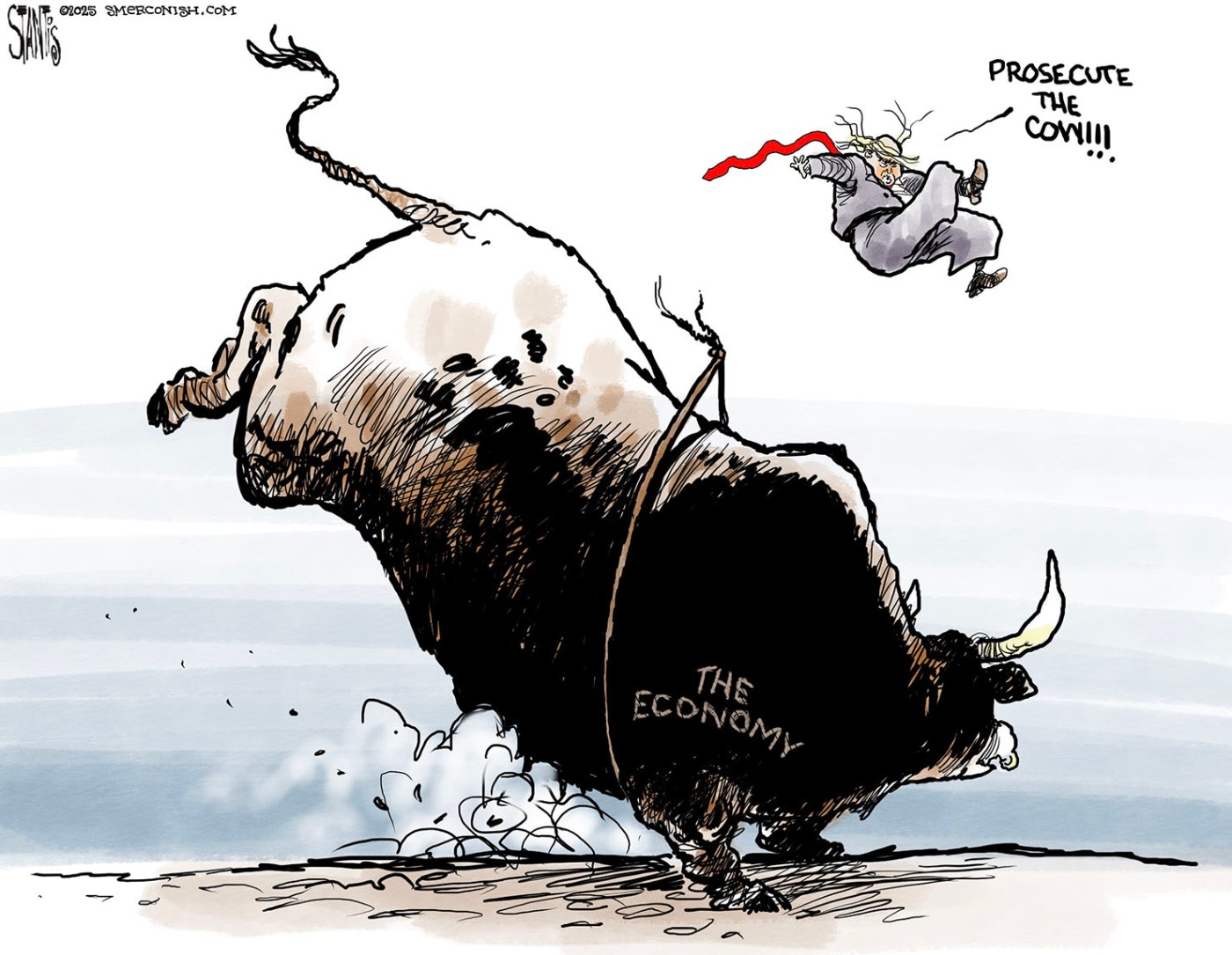
Next week promises to be pivotal for U.S. financial markets as several key economic reports are expected to influence stocks, bonds, and the value of the dollar. The primary data releases include the ISM Manufacturing Purchasing Managers’ Index (PMI), ISM Services PMI, Building Permits, and Non-Farm Payrolls (NFP). Traders are closely monitoring these reports to gauge the health of the economy.
ISM Manufacturing PMI and Services PMI
The week kicks off on March 4, 2024, with the release of the ISM Manufacturing PMI. This index measures the activity level in the manufacturing sector, with forecasts indicating it will remain below 50, suggesting continued contraction. If the manufacturing data comes in weaker than anticipated, it could lead to lower bond yields and potentially benefit growth-oriented stocks. The employment metrics within this report are also crucial; any job cuts in manufacturing could dampen expectations for the NFP report later in the week.
On March 6, 2024, the ISM Services PMI will provide insights into the larger services sector, which plays a significant role in the U.S. economy. Analysts are predicting that this index will stay above 50, indicating expansion. A robust services number could ease concerns about economic slowdown and bolster stock market performance. Conversely, a weaker services figure may heighten market anxiety, particularly as it precedes the NFP report.
Building Permits and Non-Farm Payrolls
The Building Permits report, scheduled for release on March 8, 2024, offers a glimpse into future home construction trends. Estimates suggest approximately 1.3 million permits will be issued. If the actual figure exceeds expectations, it may signal strength in the housing sector and support construction-related stocks. The timing of this report varies weekly, so market participants should be attentive to its release.
The highlight of the week arrives on March 8, 2024, with the Non-Farm Payrolls report. This key employment metric is anticipated to show job growth between 50,000 and 75,000, a figure that would mark a slowdown compared to historical trends. The unemployment rate and wage growth figures are also critical indicators. A rise in unemployment or deceleration in wage growth could lead markets to forecast additional interest rate cuts. Conversely, a significantly stronger jobs report could push yields higher and increase volatility in equity markets.
Market participants are evaluating the implications of these reports carefully. A weak ISM Manufacturing result followed by a soft NFP could be beneficial for bonds and growth stocks. In contrast, a strong services PMI could sustain investor confidence. Strong job growth or wage increases would likely lead to higher yields and put pressure on interest-sensitive sectors. Building permits will play a crucial role for housing stocks and small-cap cyclicals, as trends in construction reflect broader economic conditions.
Silver Market Overview
In the commodities market, silver has experienced a cooling off after a recent surge. Currently, it is trading near the 50-period simple moving average (SMA) on the 4-hour chart, a critical level to monitor. The price is attempting to maintain this short-term support zone, although momentum has slowed, indicating hesitation from buyers. A breach below the 50 SMA could signal further declines in the near term.
The next significant support level is the 200-period SMA, which remains upward trending and often serves as a safety net during pullbacks in a broader uptrend. If silver dips, it may attract buyers around this level. Recent charts reveal a narrow trading range, with resistance at approximately $74.00 and support near $71.00. A decisive move below the lower boundary could confirm short-term weakness and open the door for further declines toward the 200 SMA around $61–$62.
In summary, the upcoming week is set to be crucial for both U.S. economic indicators and the silver market. The outcomes of these reports will shape investor sentiment and market dynamics, with particular attention paid to how these data points influence future monetary policy decisions by the Federal Reserve. As such, market participants are advised to remain vigilant leading up to these releases.