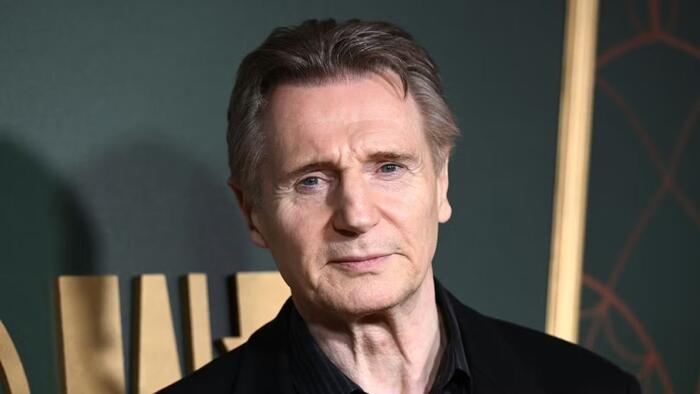
In a surprising turn of events, actor Liam Neeson has lent his voice to a documentary titled Plague of Corruption: 80 Years of Pharmaceutical Corruption Exposed. This film, based on the work of Dr. Judy Mikovits and supported by Robert F. Kennedy Jr.’s organization, Children’s Health Defense, critiques the handling of the COVID-19 pandemic and the associated lockdown measures. The release of the documentary has raised eyebrows, particularly given Neeson’s previous advocacy for vaccines through his role with UNICEF.
The documentary, which premieres on November 16, 2025, directly challenges the policies enacted during the pandemic, claiming they have had devastating effects on individual freedoms and public health. Neeson’s narration emphasizes the human toll of strict lockdowns, stating, “Thousands of lives were lost, not to the virus, but to the mental anguish brought on by these harsh restrictions.” His comments aim to underscore the psychological and social repercussions of the measures taken in the name of public safety.
Neeson’s involvement marks a notable departure from his prior public stance. In a 2022 UNICEF campaign, he praised vaccines, including those for COVID-19, calling them a “remarkable human success story.” He spoke highly of the global vaccination efforts that have protected billions over decades. The shift in his narrative has prompted scrutiny and backlash from various media outlets and health advocates, who are keen to discredit the film and its assertions.
The documentary, co-authored by Mikovits and attorney Kent Heckenlively, delves into decades of alleged corruption in the pharmaceutical industry. It features interviews that position Kennedy as a whistleblower against the influence of pharmaceutical companies on public health policies. Neeson’s role is framed as a call to action, urging for transparency and accountability moving forward. He stated, “We cannot change the past, but we can demand transparency and accountability for the future.”
In response to the controversy, Neeson’s representatives clarified his position, emphasizing his long-standing support for public health initiatives and immunization programs. They reiterated that he does not oppose vaccines and did not influence the film’s editorial direction. This clarification appears aimed at distancing him from any anti-vaccine narratives that may arise from the film’s content.
The documentary critiques the government’s response to COVID-19, suggesting that the lockdowns did more harm than good. It highlights the economic and social fallout of these policies, including increased rates of mental health issues and suicide. The filmmakers argue that these outcomes were overlooked as authorities focused on controlling the spread of the virus.
As the film prepares for its release, it has sparked a broader conversation about the role of pharmaceutical companies and government policies during the pandemic. The controversy surrounding Neeson’s narration has ignited discussions about the ethics of vaccine mandates and the accountability of health agencies.
The film’s trailer prominently features Kennedy, who has positioned himself as a leading figure in the movement against pharmaceutical industry practices. This documentary builds upon previous efforts to expose what its creators describe as a “health cartel” that prioritizes profit over public safety.
As public interest grows, the documentary is poised to become a focal point in the ongoing debate regarding health policies and individual freedoms. Neeson’s participation signals a significant moment in the discourse surrounding vaccination and public health, as audiences await the film’s release and its potential impact on the narrative surrounding COVID-19 responses.