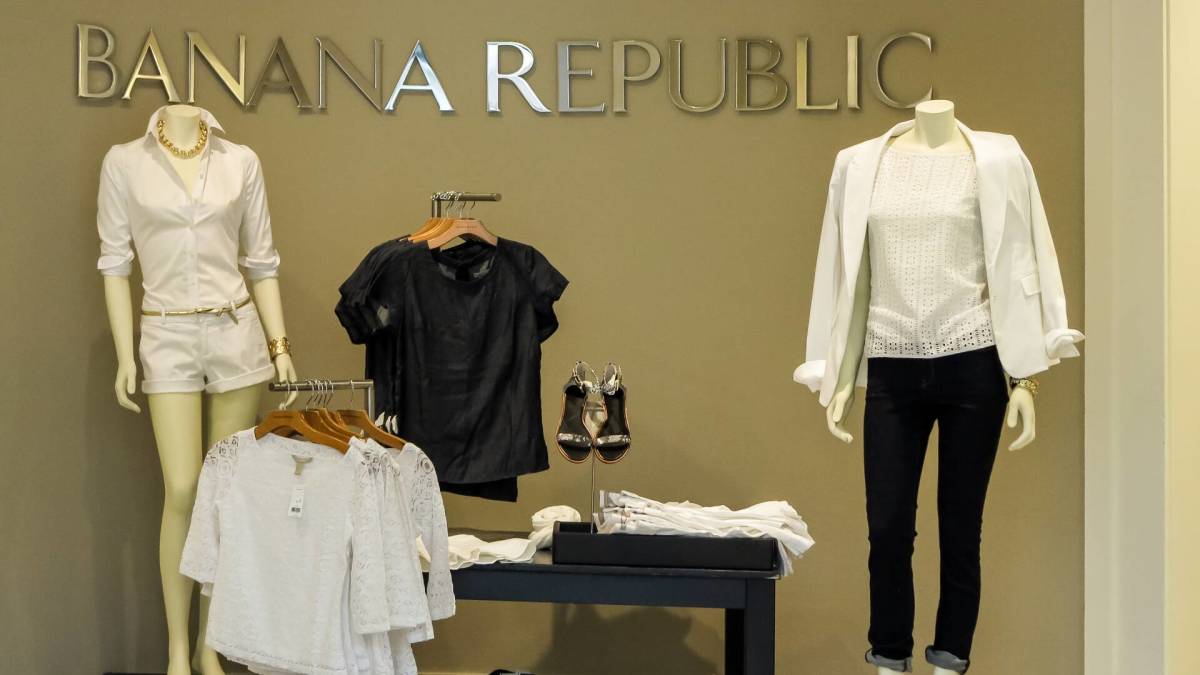
A significant shift is occurring at the Towson Town Center Mall in Towson, Maryland, as major retailers such as Banana Republic, Tommy Bahama, Madewell, and Wockenfuss Candies have recently closed or are preparing to close their stores. This trend reflects ongoing challenges facing mid-tier malls across the United States, where consumer spending habits and competition from online retail are reshaping the landscape.
The closures at Towson Town Center are part of a broader trend that has seen many well-known chains struggle in recent years. Notable retailers like Forever 21 and JCPenney have faced bankruptcies or store closures, highlighting a shift in the retail environment. Landlords are increasingly focusing on attracting more profitable tenants that can sustain higher rents, as reported by the Wall Street Journal.
According to data from Placer.ai, foot traffic in indoor malls and open-air shopping centers increased in October 2025 compared to the previous year. Despite this uptick in visitors, the challenge remains that these malls must fill vacancies left by departing brands. Kate King of the Wall Street Journal notes that many low-end malls in the U.S. have either closed or are struggling to survive.
Impact of Mall Retail Exits
The closure of these prominent stores raises concerns about the future of Towson Town Center. Tommy Bahama has already vacated the premises, while Banana Republic and Madewell are expected to close in the coming weeks. Wockenfuss Candies, known as Baltimore’s oldest confectioner, has confirmed its closure, stating on social media: “After much consideration, we have made the difficult decision to permanently close this location, effective immediately.”
These departures could significantly impact foot traffic, which is crucial for the survival of surrounding businesses. A study by independent academic institute IMD emphasizes that the closure of anchor stores can trigger a “domino effect,” affecting nearby retailers and local economies.
Local residents have expressed concern about the implications of these closures. Nancy Hafford, with the local Chamber of Commerce, noted that changes in consumer spending habits, coupled with increased competition from online platforms like Amazon, have compounded the challenges faced by physical retailers. She pointed out that consumers now have less disposable income, partly due to rising costs of goods.
Concerns Over Safety and Economic Viability
The situation at Towson Town Center is further complicated by concerns over safety. Recent incidents of youth violence, including a robbery and stabbing, have led to calls for improved security measures. While customers like Sabrina Pitchford-Gorman have cited safety as a reason for their hesitance to shop at the mall, none of the departing retailers have officially linked their closures to concerns about safety.
Consumer sentiment reflects a broader unease about the future of retail in the area. Shoppers have shared worries about the potential for further store closures. Peggy Tomick, a long-time customer, expressed her discomfort with visiting the mall alone at night, indicating that safety perceptions play a role in shopping habits.
The closures of Banana Republic, Tommy Bahama, and others signal a pivotal moment for Towson Town Center. While the mall may not be facing imminent demise, it is clear that landlords must adapt to the changing retail environment.
As Coresight Research highlights, top-tier malls continue to thrive, while mid-tier and low-tier malls struggle. The challenge now lies in attracting tenants that offer experiences that cannot easily be replicated by online shopping. With new developments, such as the $350 million Towson Row, emerging nearby, the future of Towson Town Center remains uncertain.
Ultimately, the departures of these major retailers from Towson Town Center could lead to a significant shift in the retail landscape of the area, potentially impacting local economies and consumer behavior. The ongoing evolution of retail will require strategic planning and innovative approaches to ensure the viability of physical shopping spaces in an increasingly digital world.