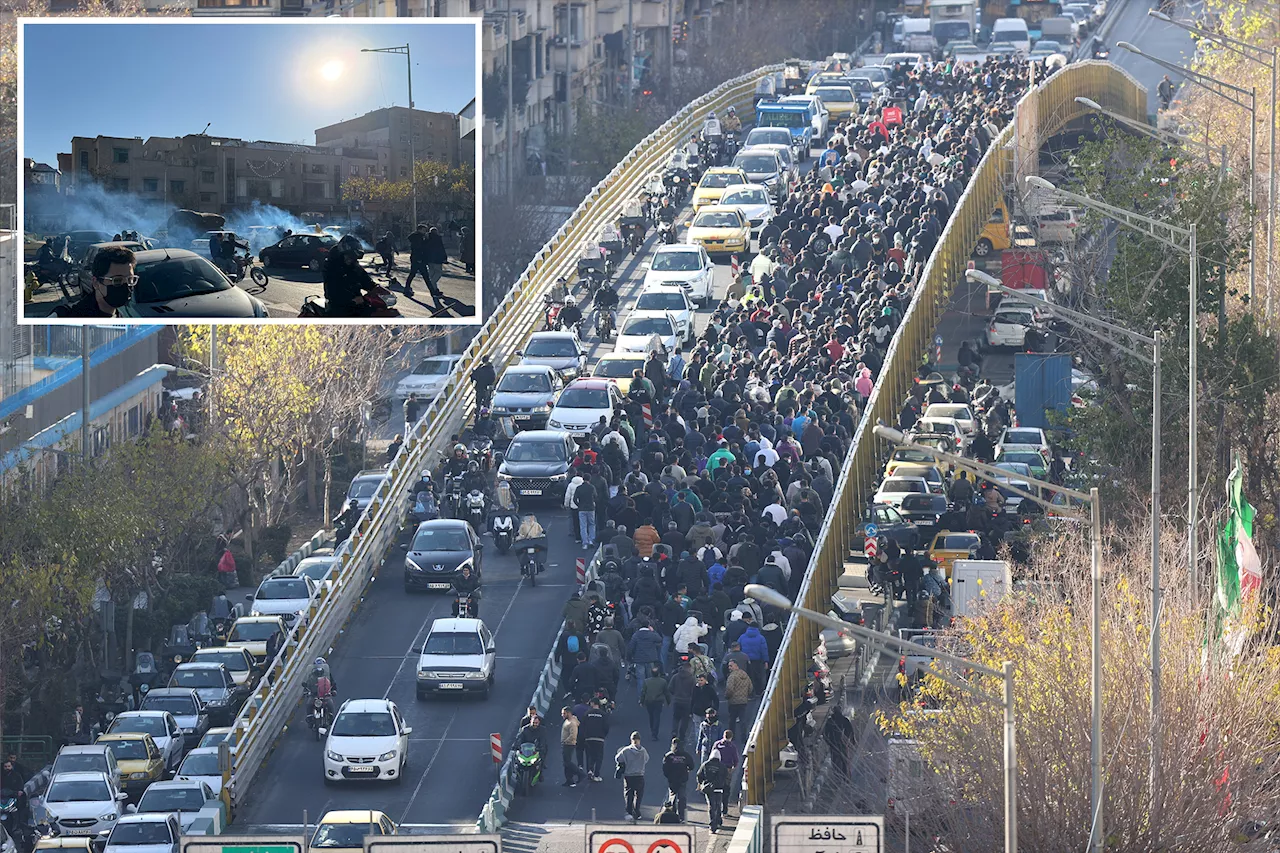
Protests have surged across Iran, driven by widespread anger over the country’s deteriorating economy. Demonstrators are voicing their frustrations regarding the skyrocketing cost of living, with the value of the Iranian rial plummeting to unprecedented lows. As of now, $1 is valued at a staggering 1.4 million Iranian rials on the black market, reflecting a 230% increase compared to the same time last year.
The economic turmoil has hit rural areas particularly hard, where residents are grappling with the impacts of rising prices and inflation. In cities like Tehran, furious consumers and shopkeepers have taken to the streets to protest against what they perceive as governmental mismanagement. The protests intensified on Thursday, prompting a response from authorities.
Economists had long warned of an impending cost of living crisis. According to Iran International, the price of local staple Tarom Hashemi rice has surged to approximately 4 million rials per kilogram, or about $3.56 per pound. Official figures suggest an inflation rate of 48.6%, with many essential goods becoming increasingly unaffordable for ordinary Iranians.
Protests Spread and Turn Violent
The protests are primarily concentrated in Tehran’s bustling bazaars, critical hubs for daily shopping. Many protestors have begun to chant, “Death to the dictator,” turning the regime’s slogans against its leaders. While demonstrations in Tehran have slowed, they have intensified in other regions, leading to violent clashes with security forces. Reports indicate that at least three individuals have died during the unrest, including a 21-year-old volunteer officer of the Revolutionary Guard’s Basij force. The state-run IRNA news agency attributes his death to rioters.
Saeed Pourali, a deputy governor in Lorestan province, commented, “The protests that have occurred are due to economic pressures, inflation, and currency fluctuations, and are an expression of livelihood concerns.” He emphasized the need for authorities to listen to citizens’ voices but also warned against allowing protest demands to be influenced by opportunistic individuals.
The Washington-based Abdorrahman Boroumand Center for Human Rights in Iran has reported that two other protesters were killed during demonstrations in Lordegan. Despite the growing unrest, officials, including a member of the Iranian parliament, have shifted blame to foreign interference rather than addressing the economic crisis directly.
Government Response and Future Implications
In response to the mounting protests, Iranian Supreme Leader Ali Khamenei has acknowledged the gravity of the situation but indicated that there is little he can do to resolve the economic crisis. He has spent over four decades focusing on military pursuits and regional conflicts, leading to criticism from citizens who now struggle to afford basic necessities.
Khamenei’s regime faces a critical juncture as the economic situation worsens, prompting questions about its stability and the potential for further unrest. As public discontent rises, the government will need to navigate these challenges carefully to avoid exacerbating tensions.
The current crisis underscores a broader pattern of challenges in Iran, where international sanctions, a shrinking GDP, and rampant inflation have created an untenable situation for millions of citizens. Without meaningful reforms and effective measures to stabilize the economy, the potential for ongoing protests and civil unrest remains high.