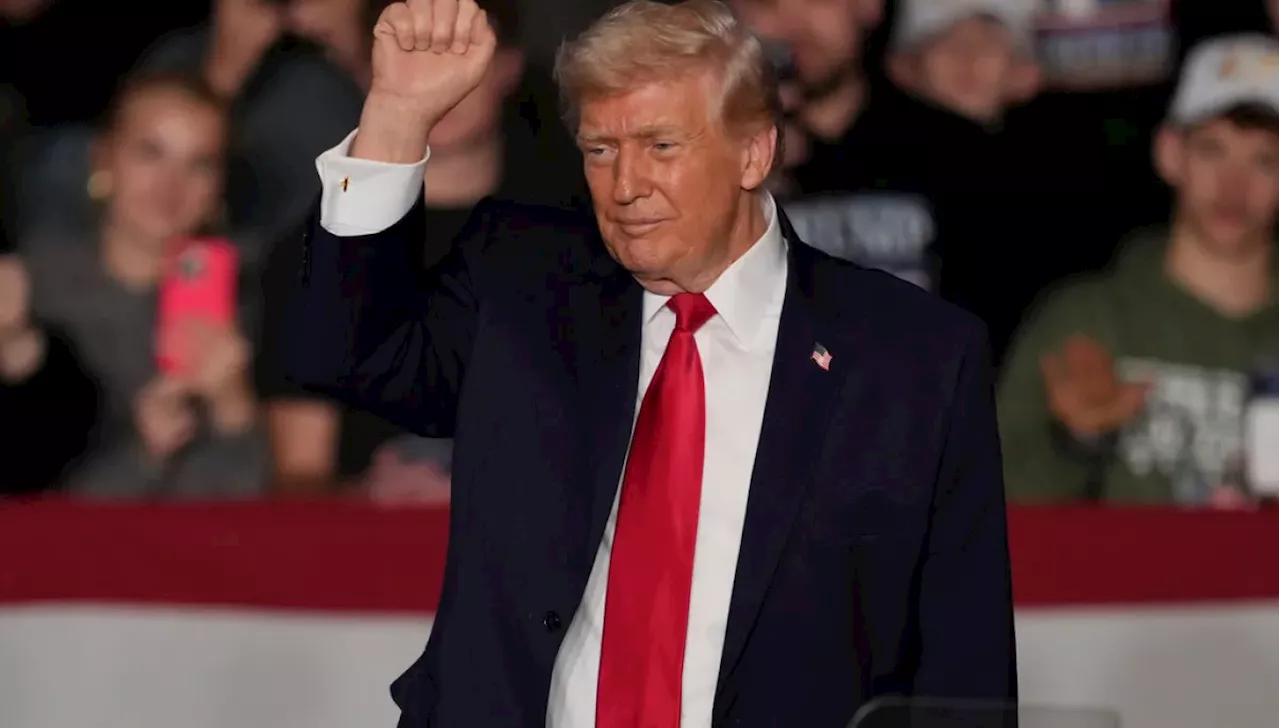
Donald Trump expressed confidence in the current state of the U.S. economy during a recent pre-Super Bowl interview, stating, “I’d say we’re there now,” when asked if the country is experiencing the “Trump economy.” His remarks come in light of a new poll revealing that only 36% of respondents approve of his handling of economic issues, contrasted with 59% who disapprove.
The NPR-Marist-PBS News poll, released on February 1, 2024, indicates a slight uptick in disapproval from 57% the previous month. This rating marks the highest level of discontent regarding Trump’s economic management throughout his presidency. The poll reflects a growing concern among voters, particularly regarding affordability, which has emerged as a significant issue influencing recent state elections.
Trump’s comments are particularly notable as he shifts from previously attributing economic challenges to his predecessor, Barack Obama, stating, “I took over a mess in every way.” He now positions himself as the architect of the current economic landscape, directing criticism towards the Democrats. “They’re the ones that caused the problem,” he asserted, suggesting that the opposition has shifted focus away from pressing economic issues.
The president has initiated a nationwide tour promoting his administration’s economic policies. He argues that these measures have contributed to reducing the U.S. trade deficit and bolstering domestic manufacturing. Nevertheless, public sentiment regarding his tariff policies remains divided. The poll shows that 56% of respondents believe imposing tariffs on foreign goods negatively impacts the U.S. economy, while only 31% view them as beneficial.
In recent elections, including the gubernatorial races in Louisiana, affordability emerged as a decisive factor. Democrats secured victories in both contests, highlighting the ongoing tension between economic messaging and voter sentiment. As Trump continues to advocate for his economic policies, it remains to be seen how this will influence public opinion leading into the next election cycle.
The economic landscape is complex, and Trump’s bold claims of ownership come at a time when many Americans are expressing dissatisfaction with rising costs and affordability issues. Whether his strategies will resonate with voters remains uncertain as he navigates the political terrain ahead.