President Donald Trump has extended an invitation to China and India to invest in Venezuela’s oil industry, marking a notable shift in the dynamics of global energy flows. This development follows the recent U.S. intervention in Venezuelan oil sales, which gained momentum after the ousting of former authoritarian president Nicolás Maduro.
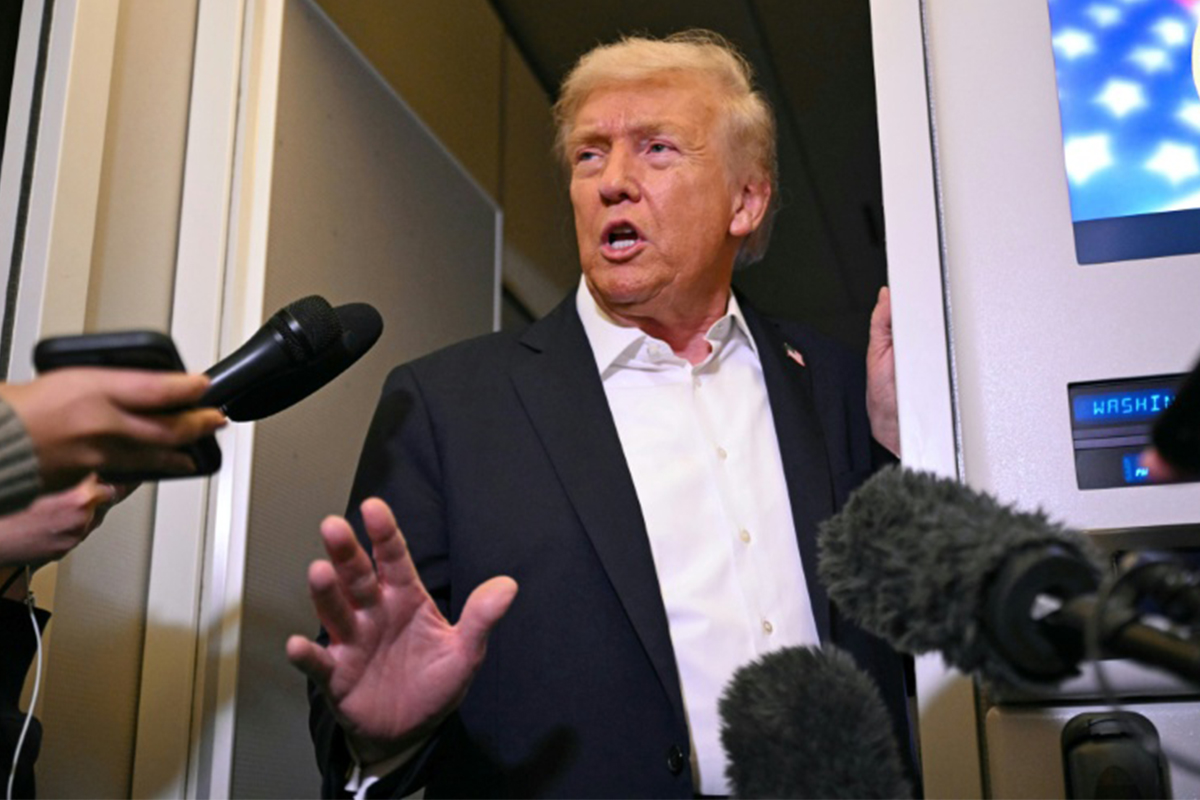
During a flight to Mar-a-Lago, Trump expressed optimism about China’s involvement in Venezuelan oil, stating, “China is welcome to come in and will make a great deal on oil.” He also mentioned that the U.S. is collaborating with India on a deal to purchase Venezuelan crude, emphasizing that “India’s coming in and they’re going to be buying Venezuelan oil, as opposed to buying it from Iran.”
Changes in Venezuela’s Oil Framework
The remarks from Trump coincide with Venezuela’s interim government approving significant changes to its oil policies. These modifications include reducing taxes and permitting increased foreign ownership in the oil sector. Following these developments, the U.S. Treasury Department issued a general license that enhances the capacity for U.S. companies to export, sell, and refine Venezuelan crude.
As a result, the United States is positioned to import a substantial volume of Venezuelan oil this year, primarily facilitated by Chevron, which holds a license to market sanctioned crude. Additionally, trading firms Vitol and Trafigura are expected to transport around 14 million barrels of Venezuelan oil under agreements brokered by the U.S.
While U.S. imports are on the rise, exports of Venezuelan oil to China have dramatically declined. Last year, China received an average of 400,000 barrels per day from Venezuela, but shipments fell to zero in January 2023 due to U.S. naval operations targeting vessels transporting sanctioned oil. In response, Chinese independent refiners have turned to discounted Iranian crude to fill the supply gap.
U.S. Strategy for Venezuelan Oil Sales
During a Senate hearing, Marco Rubio, the U.S. Secretary of State, criticized China’s longstanding oil relationship with Venezuela. He argued that Beijing has benefitted from opaque financing arrangements, allowing it to shield itself from associated risks. Rubio asserted that the U.S. strategy aims to integrate Venezuelan oil sales into “transparent, accountable markets,” countering opaque state-to-state deals that he believes undermine economic stability.
On the other hand, Indian refiners have encountered limited offers for Venezuelan crude. Much of the available oil has been directed toward U.S. and European markets, leading industry executives to express concerns that the discounts offered have not been sufficient to justify purchases. Some Indian firms are still exploring smaller-scale arrangements, although opportunities remain constrained.
Trump’s administration has indicated a commitment to overseeing Venezuelan oil sales in the foreseeable future. This oversight is part of a broader effort to encourage foreign investment aimed at revitalizing the country’s energy infrastructure, while simultaneously reshaping the global market for Venezuelan crude.