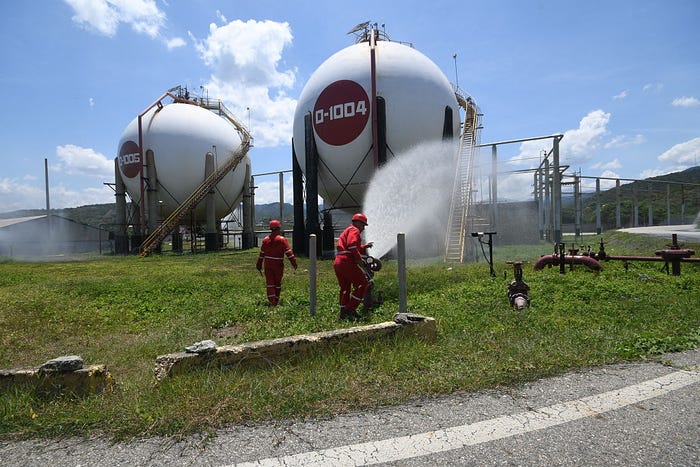
The recent military action by the United States in Venezuela has raised questions about its potential effects on global oil prices, particularly concerning the country’s substantial reserves. Venezuela currently possesses an estimated 303 billion barrels of oil, comprising roughly a fifth of the world’s total reserves. With this significant stockpile, market analysts are closely monitoring how these developments might influence crude oil prices and, ultimately, the costs consumers face at the pump.
The connection between geopolitical events and oil prices is critical, as fluctuations in these prices directly impact everyday Americans’ expenses. While the United States has initiated military operations in Venezuela, the expected immediate effects on global oil supply appear to be limited. Analysts suggest that despite Venezuela’s vast reserves, the nation currently contributes less than 1% of daily global crude production. This low output means that any disruptions may not significantly alter the overall market dynamics in the short term.
Market Dynamics Post-Intervention
Reports indicate that the attacks on Venezuelan oil infrastructure have not caused significant damage, further stabilizing the situation. This stability is crucial given that the global oil supply is anticipated to reach a record surplus by 2026. The current surplus could mitigate potential increases in oil prices, even with the geopolitical tensions surrounding Venezuela.
Former President Donald Trump recently stated that the United States would seek to exploit Venezuela’s oil reserves. This move could lead to increased production, which might exacerbate an already oversupplied market, potentially driving crude oil prices down even further. The situation presents a dilemma for U.S. companies that may consider drilling in Venezuela. The more oil they introduce to the existing surplus, the lower prices may fall, significantly impacting their profit margins.
The price of crude oil has already seen a notable decline since the beginning of last year. As the global market grapples with these changes, consumers are left to navigate the consequences at the gas station. Analysts warn that the interplay between geopolitical events, production decisions, and market conditions will ultimately dictate how much Americans will pay for fuel in the coming months.
In summary, while the potential for change exists due to the U.S. military intervention in Venezuela, key factors such as existing production levels and oil infrastructure stability suggest that immediate impacts on oil prices may be limited. Consumers should remain aware of these developments as they unfold, as their implications will significantly affect everyday expenses.