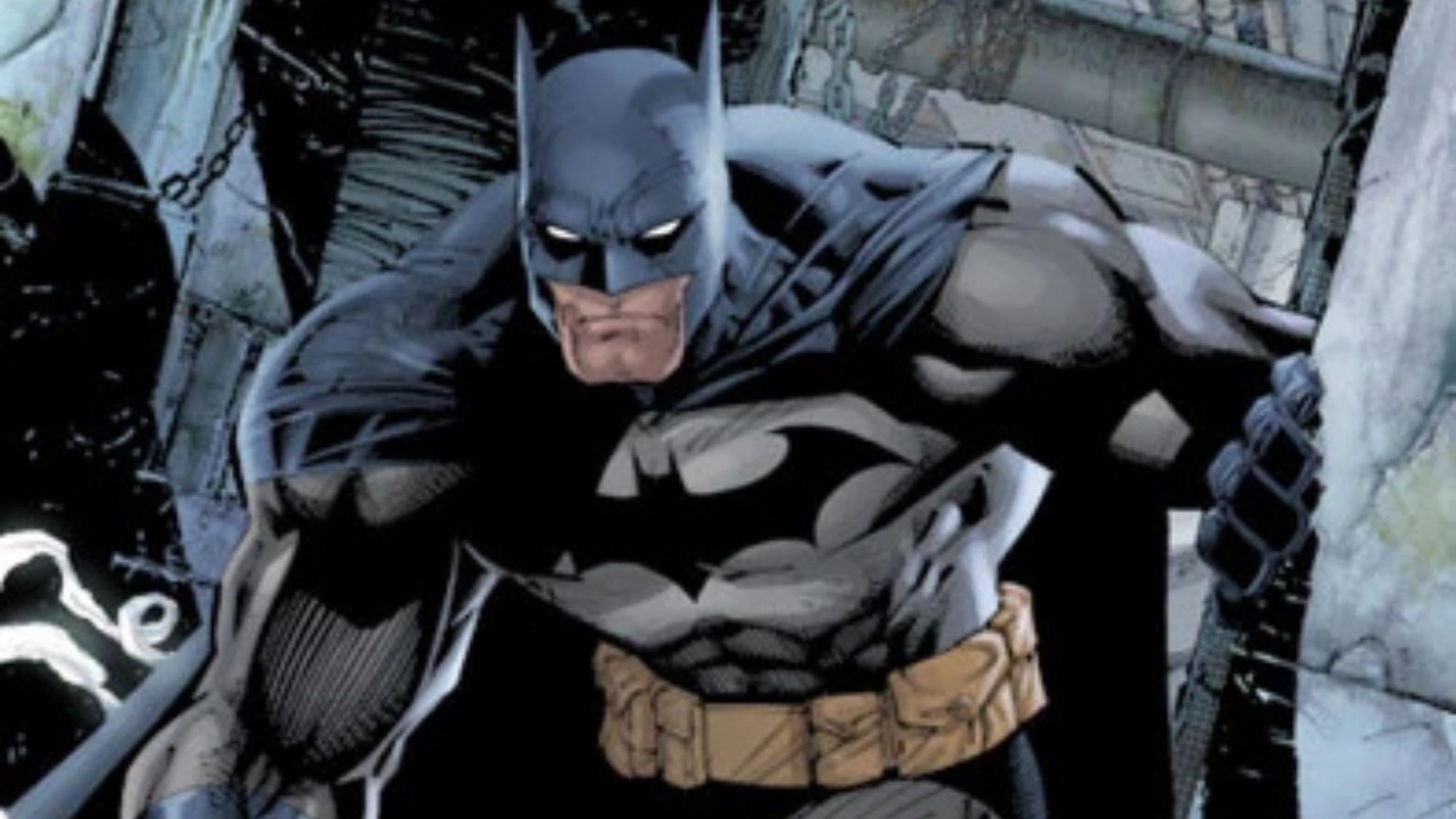
In a dramatic turn of events, Batman’s infamous contingency plans nearly led to the downfall of Gotham City, resulting in tragic consequences, including the death of a key ally. The incident unfolded during the “Batman: War Games” storyline, which ran from 2004 to 2005, highlighting how the Dark Knight’s meticulous nature can sometimes backfire.
Batman, renowned for his strategic “prep time,” has often used contingency plans to maintain control over Gotham’s chaotic underworld. His meticulous approach, while a testament to his dedication, also reveals his struggle with a desire for dominance in a city rife with threats from both supervillains and metahumans. This reliance on contingency plans has not only shaped his identity but has also created vulnerabilities that his enemies have exploited.
The “War Games” event began with a mysterious assembly of Gotham’s gang leaders, an incident that quickly devolved into violence. As tensions erupted into a full-scale gang war, Batman recognized patterns that alarmingly mirrored his own strategies. Unbeknownst to him, the chaos was triggered by none other than his own ally, Stephanie Brown, who had taken it upon herself to implement one of his contingency plans.
Stephanie, known as Robin at the time, intended to earn Batman’s respect by executing a plan designed to position one of Batman’s operatives in control of Gotham’s criminal activities. The plan, however, hinged on the presence of a crime lord known as “Matches” Malone—an alias for Batman himself. His absence from the meeting led to uncontrollable violence, ultimately allowing the Black Mask to ascend as the new kingpin of crime in Gotham.
The fallout from the war proved catastrophic. Stephanie Brown, adopting the alias “Spoiler,” was captured by the Black Mask and severely injured. Dr. Leslie Tompkins, a trusted ally of Batman, found herself grappling with the implications of his actions. In a harrowing decision, she allowed Stephanie to perish from her wounds, believing this would serve as a harsh lesson for the Dark Knight.
The repercussions of the “War Games” event extended beyond personal tragedy. The Black Mask successfully located Oracle’s main base, threatening Barbara Gordon and diminishing Batman’s operational capabilities. In the aftermath, Gotham City was left in disarray, with citizens beginning to question Batman’s effectiveness as a protector.
The events of this saga serve as a compelling reminder of the dangers inherent in Batman’s obsessive need for control. Gothamites suffered not just from the chaos of gang warfare, but also from the fallout of their protector’s flawed strategies. As the city reeled from the violence, the public’s trust in Batman dwindled, casting doubt on his methods and intentions.
This narrative highlights the fragile balance between preparation and overreach, urging a reevaluation of Batman’s approach to crime-fighting in a city that constantly hangs in the balance. The complexities of Batman’s character—his strengths and weaknesses—are laid bare, prompting readers to reflect on the true cost of his vigilantism.