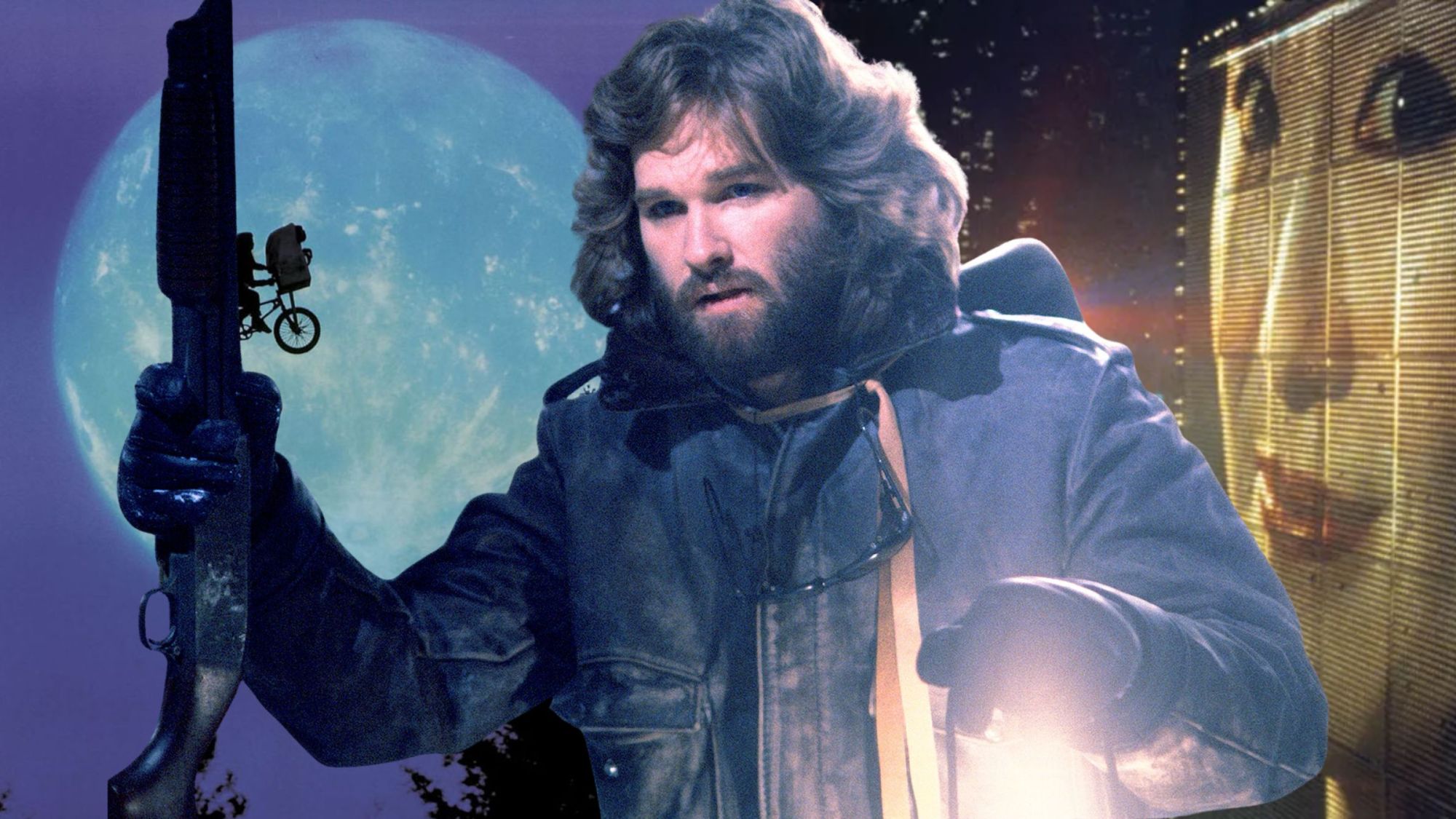
In 1982, moviegoers witnessed a remarkable transformation in the science fiction genre, with the release of five influential films that reshaped the landscape of cinema. This year is often hailed as a defining moment for sci-fi, featuring classics that have since garnered critical acclaim and dedicated fanbases. Despite their initial box office performances, these films have left an indelible mark on both the genre and popular culture.
Innovative Visions: Blade Runner and Tron
Among the standout films of 1982 are Blade Runner and Tron, both of which initially struggled to find commercial success. Over time, however, they have developed significant followings and received numerous accolades. Blade Runner, directed by Ridley Scott, offers a thought-provoking exploration of humanity and memory, set against a visually stunning backdrop that blends futuristic aesthetics with retro film noir. The film’s depiction of a dystopian Los Angeles continues to resonate, presenting a world shaped by technological advancement and societal decay.
In contrast, Tron marked a pivotal moment in the evolution of computer-generated imagery (CGI). While its visuals may seem dated by today’s standards, the film was groundbreaking for its time, immersing audiences in a digital universe that was both captivating and innovative. Its influence on the genre cannot be overstated, as it opened the door for future technological advancements in filmmaking.
Heartfelt Tales and Chilling Horrors
Another significant release from 1982 was E.T. the Extra-Terrestrial, directed by Steven Spielberg. This film captured the hearts of audiences worldwide with its poignant story of friendship between a young boy and an alien stranded on Earth. Set against the backdrop of an idyllic suburban California, E.T. evokes a sense of nostalgia and innocence that remains timeless. Its emotional depth and universal themes have made it a lasting classic in cinema history.
On a different note, The Thing, directed by John Carpenter, introduced viewers to a chilling narrative that combines science fiction with horror. The film’s unsettling atmosphere and masterful use of practical effects have earned it a cult following. The story unfolds at an isolated research station in Alaska, where paranoia and tension escalate as an alien entity infiltrates the group. Its complex narrative structure and exploration of trust and identity resonate powerfully, making it a film that rewards multiple viewings.
Iconic Battles and Cultural Impact
Rounding out the iconic releases of 1982 is Star Trek II: The Wrath of Khan. This film revitalized the Star Trek franchise and is often regarded as one of the best entries in the series. It features an engaging storyline, complete with thrilling action and memorable characters. The presence of Khan, portrayed by Ricardo Montalbán, adds a compelling layer of conflict, while the emotional stakes are heightened by the temporary loss of Spock, a moment that resonates even with viewers unfamiliar with the character.
The impact of these films extends beyond their initial releases, influencing countless directors, writers, and filmmakers. Each film contributed uniquely to the evolution of the science fiction genre, pushing boundaries and expanding the possibilities of storytelling in cinema. As audiences revisit these classics, the legacy of 1982 continues to inspire new generations of filmmakers and fans alike.
In retrospect, 1982 stands as a watershed moment in sci-fi cinema, showcasing a diverse range of narratives that continue to captivate audiences. These films not only entertained but also challenged viewers to contemplate the implications of technology, friendship, and the human experience, solidifying their place in film history.