As 2025 draws to a close, the craft beer industry in the United States is experiencing notable challenges, with brewery closures outpacing openings for the second consecutive year. According to the Brewers Association (BA), the sector has seen a shift from a period of rapid growth to one characterized by contraction and uncertainty. The recently released “Year in Beer 2025” report indicates that 434 breweries closed their doors this year, compared to only 268 new openings.
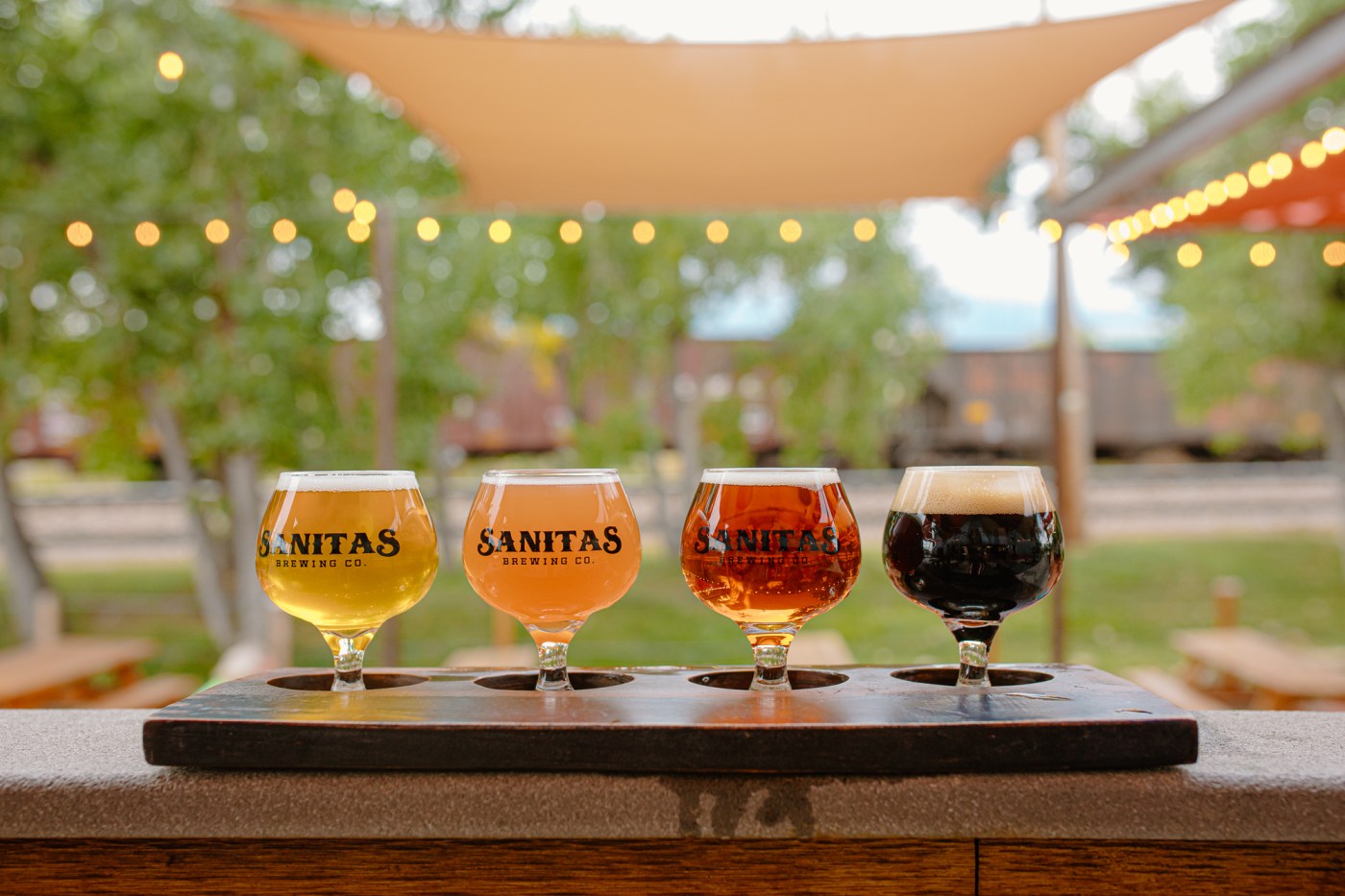
In Boulder, notable closures include Sanitas Brewing Co., which ceased operations at its Boulder location and taprooms in Lafayette and Englewood on December 20, and Big Beaver Brewing Co. in Loveland, which closed in November. The BA’s midyear survey suggested a 5% decline in craft beer production, a sharper drop than the 4% decrease reported in 2024. The full production numbers for 2025 will be finalized in early 2026, but preliminary data indicates a continued weakening of the sector.
Market Dynamics and Industry Challenges
The BA reports a total of 9,778 breweries operating in the country, yet the difference between the opening and closing rates has widened significantly. Matt Gacioch, staff economist for the Brewers Association, noted that the decline in new brewery openings has contributed to the imbalance. “There aren’t nearly as many breweries rising to fill the space created by closures,” he explained, contrasting the current situation with the mid-2010s, when openings outpaced closures by a factor of ten.
The difficulties facing new entrants to the market are attributed to several factors, including rising interest rates and a more cautious investment climate. Gacioch pointed out that lenders are increasingly hesitant to finance new breweries, suggesting that the market may have reached a saturation point where the viability of new craft beer ventures is less certain.
Despite these hurdles, Gacioch indicated that opportunities still exist, particularly in localized markets where demand can vary significantly. “While some areas may be saturated, there are still niches to explore,” he said.
Changing Consumer Behaviors and Future Prospects
Craft brewers are also grappling with shifting consumer behaviors, especially among younger demographics. Many young adults are choosing to go out less often and are opting for beverages other than craft beer. Steve Conrad, head brewer at Busey Brews Smokehouse and Brewery, observed at a recent industry roundtable that younger generations do not engage with craft beer as much as older consumers have historically.
“The general going-out culture has been set back,”
said Jeffrey Green, co-owner of Very Nice Brewing Co., following a fire that destroyed their Nederland brewery. He highlighted a broader cultural shift away from social outings that traditionally supported the craft beer industry.
This generational change is echoed by Davin Helden, owner of Liquid Mechanics Brewing Co., who noted that the original craft beer enthusiasts are aging and adjusting their drinking habits. “Our doctors are saying, ‘Hey, don’t drink four IPAs a day,’” he remarked, indicating a shift in consumption patterns that could impact brewery revenues.
While the craft beer industry faces contraction, it is also witnessing consolidation through mergers and acquisitions. Local companies have been actively participating in this trend, with Wilding Brands, a company formed by merging several craft beverage businesses, acquiring Boulder’s Upslope Brewing Co. in October. This acquisition is part of a broader strategy to enhance production capacity and operational efficiency.
Gacioch emphasized that such consolidations reflect a resilient spirit within the industry, stating, “This is an industry that is saying, ‘Yeah, things are hard. The environment has changed, but we have agency over what we have control over.’”
As the craft beer sector approaches 2026, the outlook remains mixed. The BA report indicates that many current challenges are expected to persist into the new year. Yet there are also signs of potential recovery, such as anticipated declines in interest rates and indications that consumers may be looking to socialize more in the future.
Gacioch expressed cautious optimism, suggesting that the craft beer industry is likely to adapt and innovate in response to ongoing challenges. “Beer has been around since the dawn of civilization,” he observed. “It’s a roller coaster, but those who find creative solutions will thrive.”