Director Bi Gan has unveiled his latest film, Resurrection, a nearly three-hour cinematic exploration that merges dreams with the essence of cinema itself. The film, which premiered in 2023, captures a surreal narrative that intertwines elements of Chinese history and the broader landscape of global filmmaking.
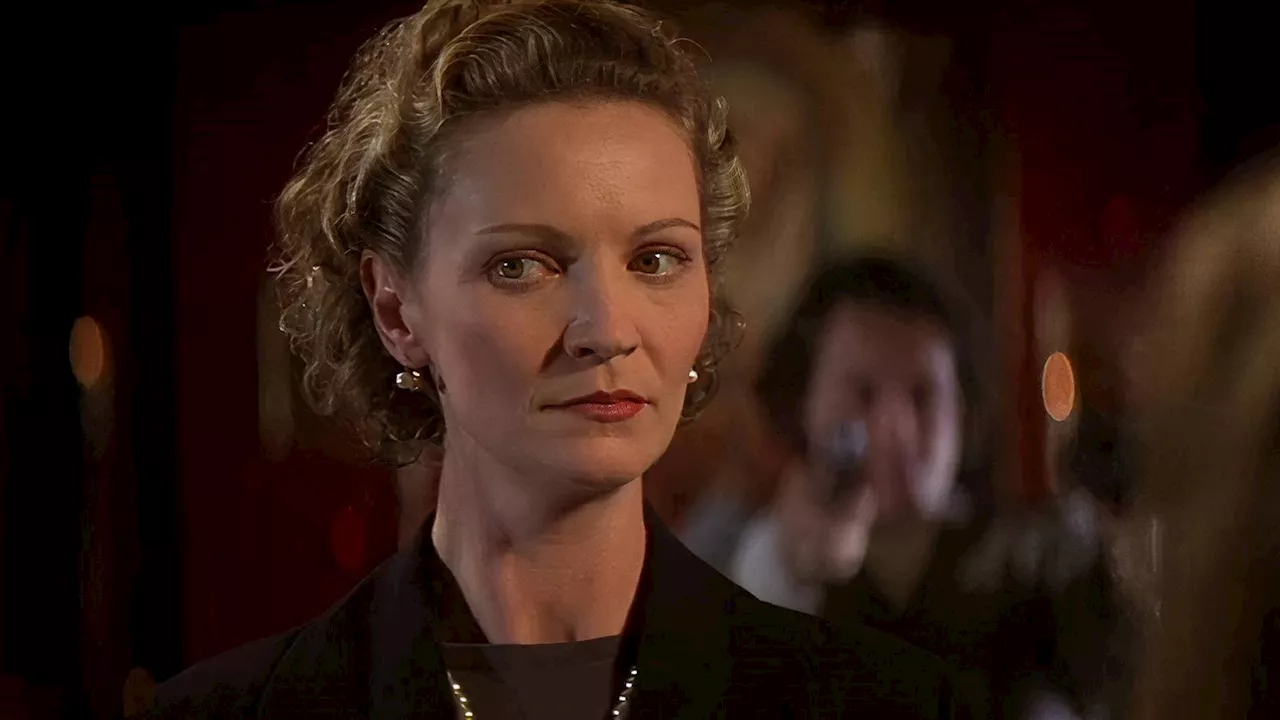
Set in a futuristic world where humans can live indefinitely as long as they do not dream, Resurrection begins and ends in a movie theatre, establishing a unique framework for its story. The film opens with title cards reminiscent of silent films, providing context to a society where dreaming is forbidden. One intertitle states, “People not dreaming is like candles that don’t burn; they can exist forever.” This concept sets the stage for the conflict involving a character named The Big Other, portrayed by acclaimed actress Shu Qi, who is tasked with preventing a group known as the Deliriants from dreaming.
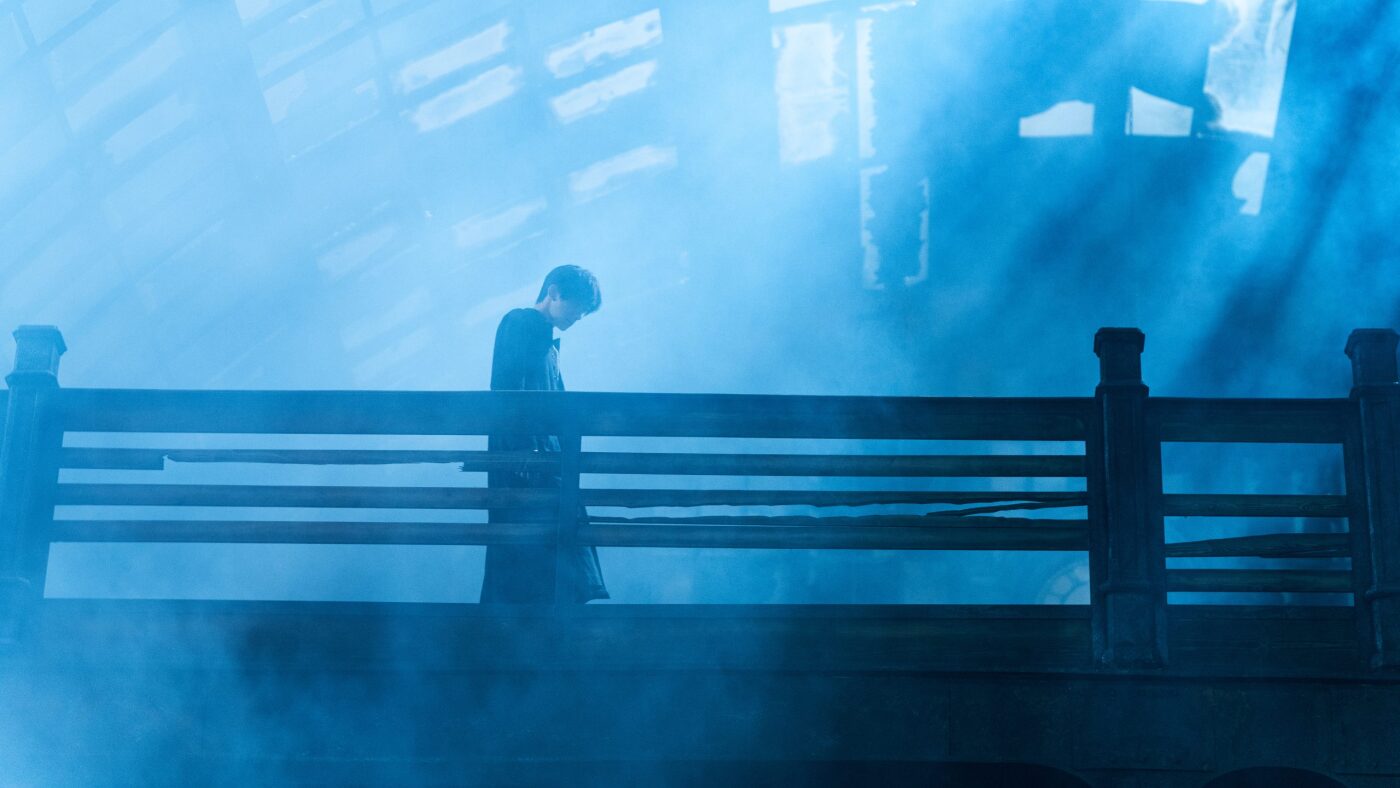
The central Deliriant, played by Jackson Yee, embodies a tragic figure reminiscent of the classic horror character Nosferatu. He is depicted as a hunchback who has become trapped in a painful existence, pleading with The Big Other to end his suffering. The film’s narrative unfolds primarily through the Deliriant’s dreams, which span four distinct storylines set in various historical periods within 20th century China.
Bi Gan, who previously gained recognition with his films Kaili Blues (2015) and Long Day’s Journey Into Night, has established a reputation for navigating the subconscious. In Resurrection, each of the four dream sequences explores different cinematic styles and historical contexts. The first dream transports the Deliriant to a World War II-era crime noir, while the second sees him imprisoned in a Buddhist temple, visited by a spirit born from a broken tooth.
The third dream features the Deliriant as a hustler enlisting a child to manipulate a wealthy man into believing in their supernatural abilities. The final sequence, set during the hours before sunrise on New Year’s Eve, 1999, delves into a doomed romance with a young vampire.
Each of these sequences, while seemingly disparate, draws from a rich tapestry of film styles and historical references. The opening scene pays homage to German Expressionist cinema with its haunting shadows and asymmetric designs. The Deliriant’s heart, sought by The Big Other, is discovered in an opium den, invoking memories of the Opium Wars that significantly impacted China’s Qing Dynasty. In stark contrast, the film’s climactic dream sequence unfolds in a dazzling, over-thirty-minute single take that embodies the aesthetics of the Hong Kong New Wave, a film movement that thrived from the late 1970s through the 1990s.
By blending dreams with cinematic exploration, Bi Gan crafts a narrative that encourages viewers to reflect on the nature of cinema itself. The shifting contexts and experiences within the film mirror the cyclical nature of both dreams and film, prompting audiences to consider the significance of imagination.
In portraying cinema as a bridge between the past, present, and future, Resurrection poses a poignant question: What do we lose without the courage to dream? As the Deliriant’s story unfolds, it becomes clear that the act of dreaming, much like the experience of watching a film, is essential to understanding the human experience. Without the ability to envision new realities, our existence may become a painful echo of the Deliriant’s struggle.
In essence, Bi Gan’s Resurrection is more than a film; it is a profound commentary on the transformative power of cinema and the importance of dreams in shaping our reality.