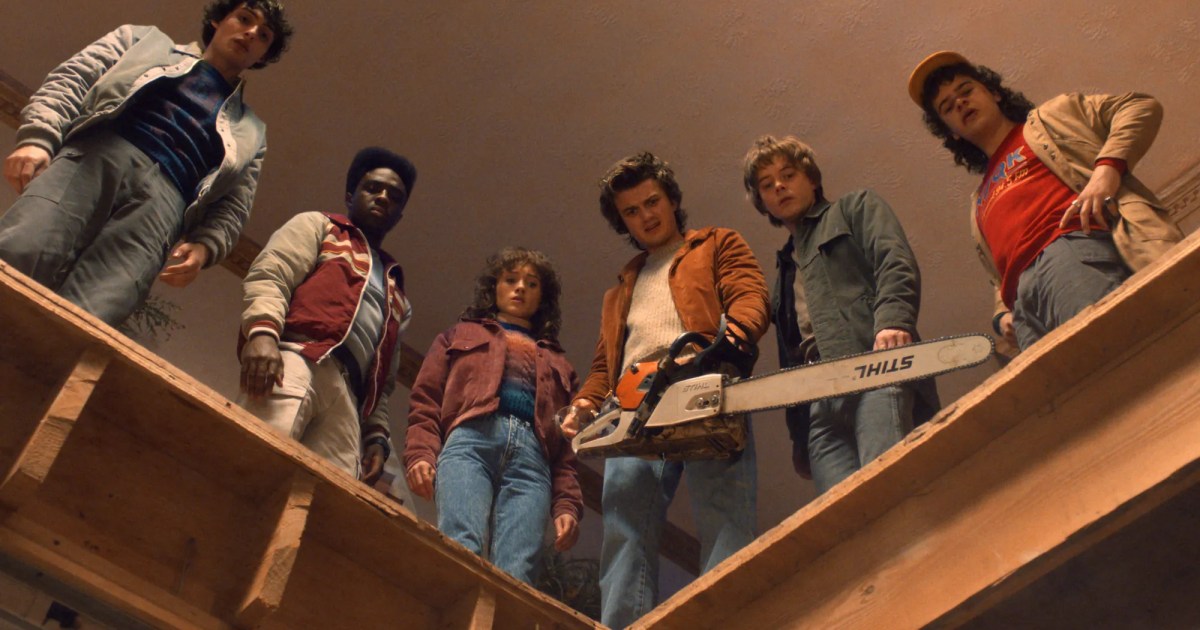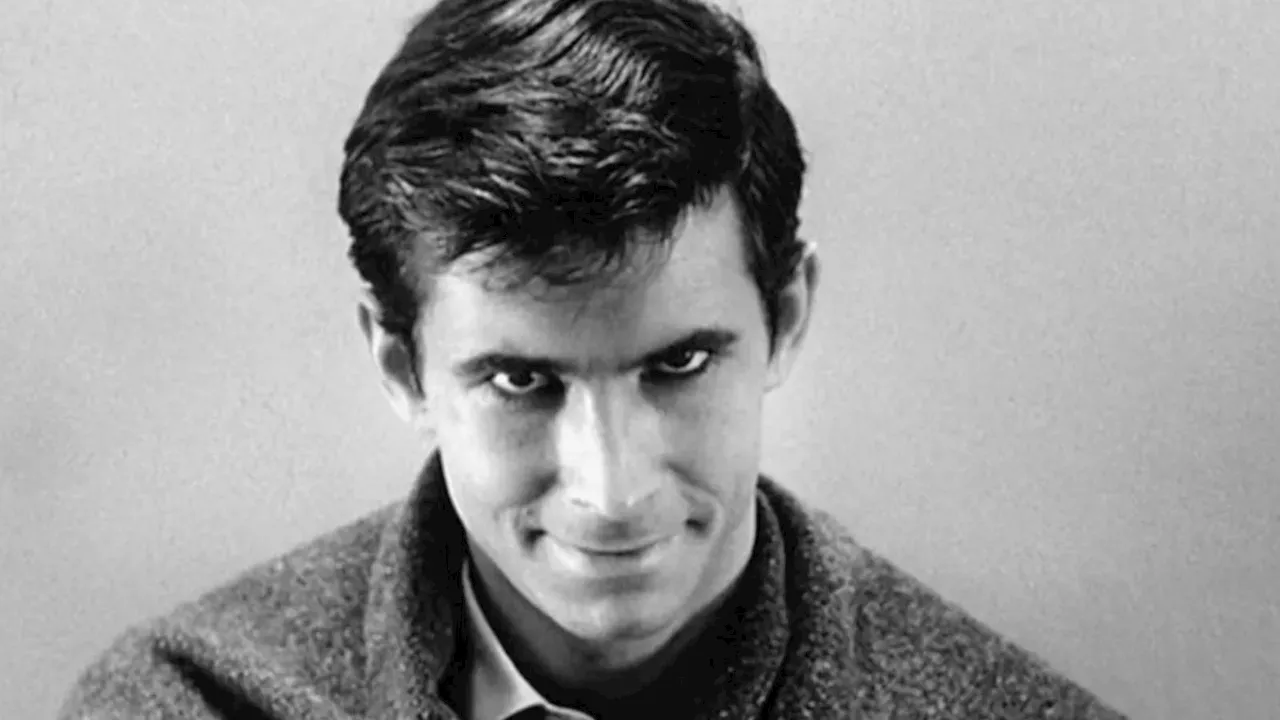
The horror genre has captivated audiences for over a century, marked by notable years that have significantly influenced its evolution. From early silent films to modern blockbusters, horror has consistently adapted to reflect societal anxieties and audience preferences. Certain years stand out as particularly transformative, introducing innovative concepts and defining the trajectory of the genre.
2018: A Year of Diversity in Horror
The year 2018 emerged as a pivotal moment in contemporary horror, characterized by its diverse offerings. Films such as Hereditary and Annihilation showcased artistic ambition and psychological depth, while mainstream hits like A Quiet Place and Bird Box appealed to broader audiences. The box office thrived, with The Nun achieving significant financial success, while experimental titles like Mandy found their place on streaming platforms. This year encapsulated the varied landscape of 21st-century horror, reflecting both its mainstream appeal and its commitment to innovation.
1999: The Rise of Found Footage and New Voices
In 1999, horror underwent a renaissance that moved away from past clichés, with films like The Blair Witch Project redefining the genre through the found footage technique. This film not only reinvigorated audience interest but also highlighted the potential of grassroots filmmaking in the digital age. The year also witnessed the debut of influential directors such as M. Night Shyamalan, alongside established industry figures like Tim Burton, who continued to push creative boundaries. Despite a market saturated with remakes, original content flourished, reaffirming the genre’s capacity for innovation.
1987: The Pinnacle of Franchise Horror
The year 1987 marked a high point for horror franchises, with films like Evil Dead II and A Nightmare on Elm Street 3: Dream Warriors achieving both critical and commercial success. This period was defined by a blend of sequels and fresh ideas, as Hellraiser introduced Clive Barker as a significant new voice in horror, while The Lost Boys captured the essence of ’80s youth culture. The diversity within the genre became apparent, with Predator merging science fiction with horror and The Stepfather offering psychological twists on established formulas.
1981: The Slasher Phenomenon
As the slasher trend took hold, 1981 became a landmark year, heavily influenced by the success of Friday the 13th. The genre saw a proliferation of films attempting to capitalize on this success, such as Happy Birthday to Me and My Bloody Valentine. Despite the dominance of slasher films, the year also yielded classics like The Evil Dead, which combined supernatural horror with innovative storytelling. The blend of horror subgenres in 1981 reflected the ongoing evolution of the genre, showcasing its adaptability and creativity.
1978: A Turning Point in Horror
The year 1978 represented a significant shift in horror, culminating in the release of iconic films like Halloween and Dawn of the Dead. These films not only solidified the slasher genre but also introduced social commentary, addressing contemporary issues through their narratives. Halloween established many tropes that would dominate the genre, while Dawn of the Dead modernized zombie films, intertwining horror with societal critique. This year set the stage for future innovations in horror, as filmmakers began to explore deeper themes and more complex characters.
1974: Gruesome Realities
In 1974, the horror landscape shifted dramatically, reflecting the societal turmoil of the era. With the Vietnam War’s impact lingering in the public consciousness, films like The Texas Chainsaw Massacre introduced audiences to a raw and unflinching portrayal of violence. This period marked a departure from the polished horror of previous years, instead opting for a grittier, more realistic approach. Black Christmas also made waves by substituting supernatural elements with human antagonists, aligning horror more closely with contemporary life.
1968: Revolutionary Films
The significance of 1968 in horror is anchored by two groundbreaking films: Rosemary’s Baby and Night of the Living Dead. These films revitalized the genre and introduced more complex narratives that resonated with audiences. Rosemary’s Baby combined elements of urban horror with themes of paranoia, while Night of the Living Dead established the modern zombie archetype and addressed pressing social issues, particularly race, in its storytelling. Both films are credited with ushering in a new era of horror that prioritized psychological depth and social commentary.
1960: The Birth of Modern Horror
The year 1960 marked a critical juncture for horror, beginning with the release of Psycho by Alfred Hitchcock. This film not only redefined horror conventions but also explored the psychology of its characters in unprecedented ways. Concurrently, Peeping Tom delved into the darker aspects of human nature, further pushing the boundaries of the genre. The emergence of these films signaled a resurgence of interest in horror, paving the way for future innovations that would continue to challenge and engage audiences.
1931: The Dawn of Sound Horror
The horror genre truly came into its own in 1931, as Universal Pictures released two of its most iconic films: Dracula and Frankenstein. These films not only established the studio as a powerhouse in horror but also introduced audiences to legendary characters that have endured in popular culture. The performances of Boris Karloff and Bela Lugosi became defining elements of the genre, cementing their status as horror icons. This year marked the transition of horror from novelty to a mainstream phenomenon, laying the foundation for future cinematic explorations.
The evolution of horror is a testament to its resilience and adaptability, with each notable year contributing unique insights and innovations. As audiences continue to embrace horror in its many forms, these landmark years serve as reminders of the genre’s rich history and its ongoing relevance in contemporary cinema.