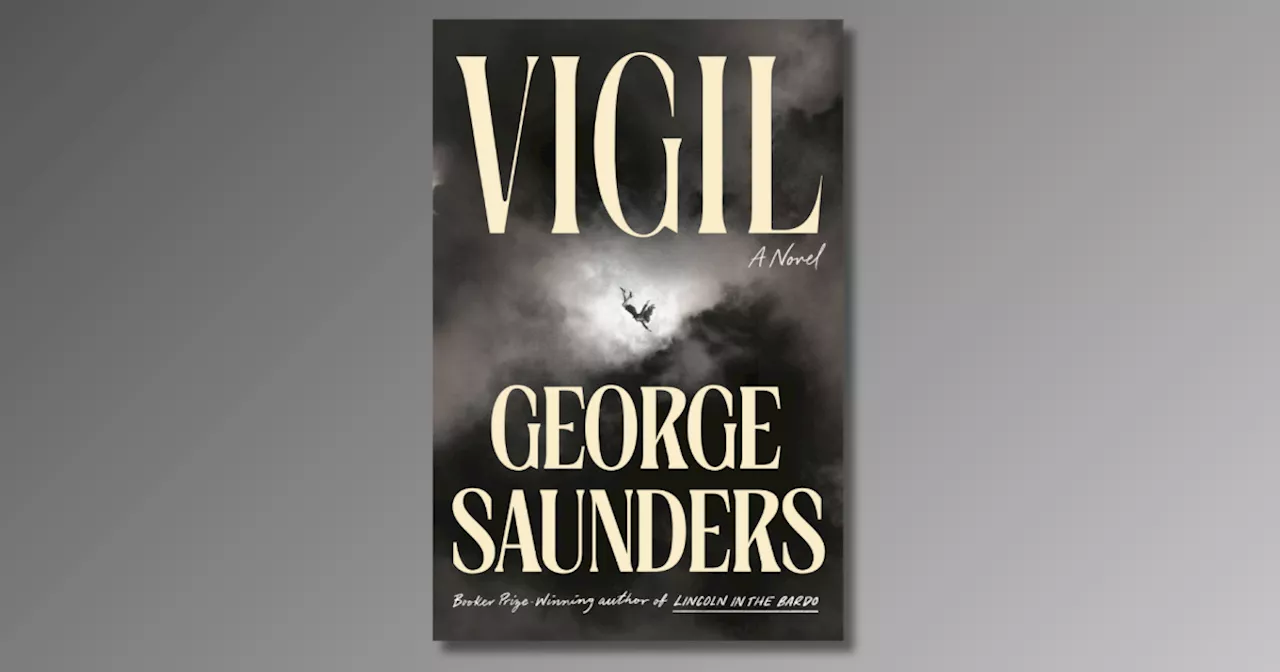
George Saunders revisits the concept of the Bardo in his latest novel, Vigil. This narrative unfolds around the death of corporate CEO K.J. Boone, exploring profound themes of mortality, regret, and the afterlife. The Bardo, rooted in Tibetan Buddhism, represents a transitional state between life and death, where self-awareness shapes one’s next existence.
The story reintroduces readers to a chaotic realm, reminiscent of the bustling atmosphere at a major retail store during peak sales. Boone, who epitomizes corporate greed, faces a reckoning as he interacts with others who have passed. His character reflects the archetype of a self-serving executive, having falsified scientific data to maintain profits.
Saunders previously delved into this ethereal space in his acclaimed work, Lincoln in the Bardo, which captured the heartbreaking grief of President Abraham Lincoln mourning his son, Willie, in February 1862. In Vigil, the emotional weight shifts from Lincoln’s monumental sorrow to the more mundane yet equally poignant experience of Boone’s passing.
As Boone lies on his deathbed, he encounters Jill “Doll” Blaine, a spiritual facilitator who has guided over 343 transitions from life to death. Jill’s role is to comfort those struggling with their impending demise and encourage them to reflect on their lives. Yet, Boone’s arrogance blinds him to his shortcomings, leading one Bardo resident to remark, “His long service to his colossal ego begins to undo him.”
While Boone’s character may lack depth, the narrative gains momentum as it pivots to Jill. Her reflections on her past life—particularly a wedding taking place next door—prompt a longing that risks anchoring her in the earthly realm. Jill’s memories of her deceased parents haunt her, leading to a moment of vulnerability as she grapples with the meaning of existence.
The novel’s strength lies in its juxtaposition of the spiritual and the corporeal. Jill’s grandmother, who attempts to jolt her from nostalgia, takes her to a cemetery, a poignant reminder of the cyclical nature of life and death. Jill’s emotional turmoil is palpable when she recalls the joy of reuniting with her parents and the subsequent pain of their absence. This blend of humor and sorrow is characteristic of Saunders’ writing, making the narrative both engaging and thought-provoking.
Despite some criticism regarding Boone’s archetypal portrayal, the exploration of Jill’s character provides a richer narrative experience. Readers witness her internal struggle as she balances her role in the Bardo with her ties to the living world. The humor interwoven with the somber themes enhances the novel’s overall impact, showcasing Saunders’ unique storytelling ability.
In summary, Vigil is a compelling continuation of Saunders’ exploration of the Bardo, presenting a nuanced view of life, death, and the complexities of human existence. The novel serves as a reminder that even in the afterlife, the journey of self-discovery and reflection continues, resonating with readers who seek to understand their own place within the fabric of life.