A Delaware court has ruled that Krafton must reinstate Ted Gill, the former CEO of Unknown Worlds, amid an ongoing legal dispute concerning the development of Subnautica 2. This decision marks a significant shift in the case, which has drawn attention due to allegations surrounding executive conduct and financial motivations.
The court’s ruling, reported by Bloomberg journalist Jason Schreier, comes after claims that Krafton improperly terminated Gill and other leaders at Unknown Worlds. These executives argued that their dismissal was linked to a delay in the early access release of Subnautica 2, which they contend was strategically timed to ensure eligibility for a substantial $250 million bonus tied to the game’s performance and launch timing.
In a pointed revelation, the judge accused Krafton CEO Changhan Kim of attempting to leverage ChatGPT to devise a strategy that would allow the company to avoid the financial obligations associated with the bonus commitment. The judge noted that Kim expressed regret over the commitment to the payout, highlighting the contentious nature of the situation.
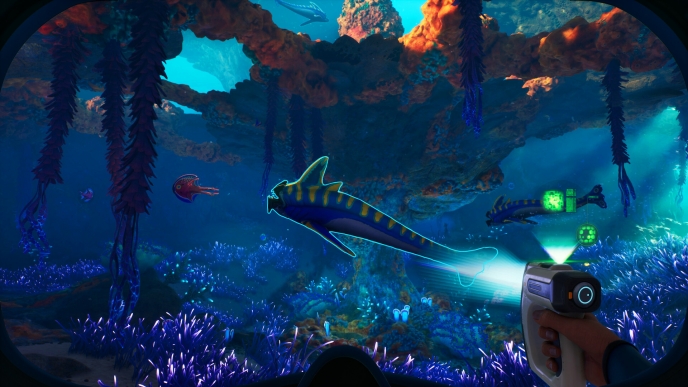
As a result of the ruling, Ted Gill will regain full authority over Unknown Worlds and the ongoing development of Subnautica 2. This reinstatement is expected to impact the direction of the game, which has been highly anticipated by fans. A spokesperson for Krafton indicated that the company aims to release Subnautica 2 as soon as possible, despite the ongoing legal issues.
The court’s decision not only reinstates Gill but also raises questions about corporate governance and the influence of financial incentives on game development. The dispute underscores the complexities involved in balancing executive decisions with creative processes in the gaming industry.
As the legal proceedings continue, stakeholders will be watching closely to see how this situation unfolds and what it means for the future of Unknown Worlds and its flagship title. The implications of this case may resonate beyond the immediate parties involved, potentially influencing how similar disputes are managed in the future.